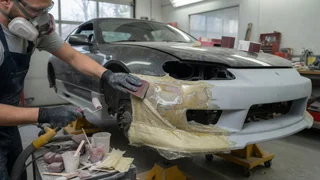
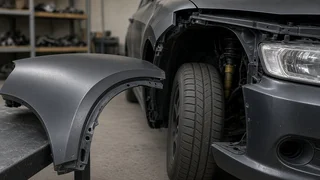
Fiberglass car body parts
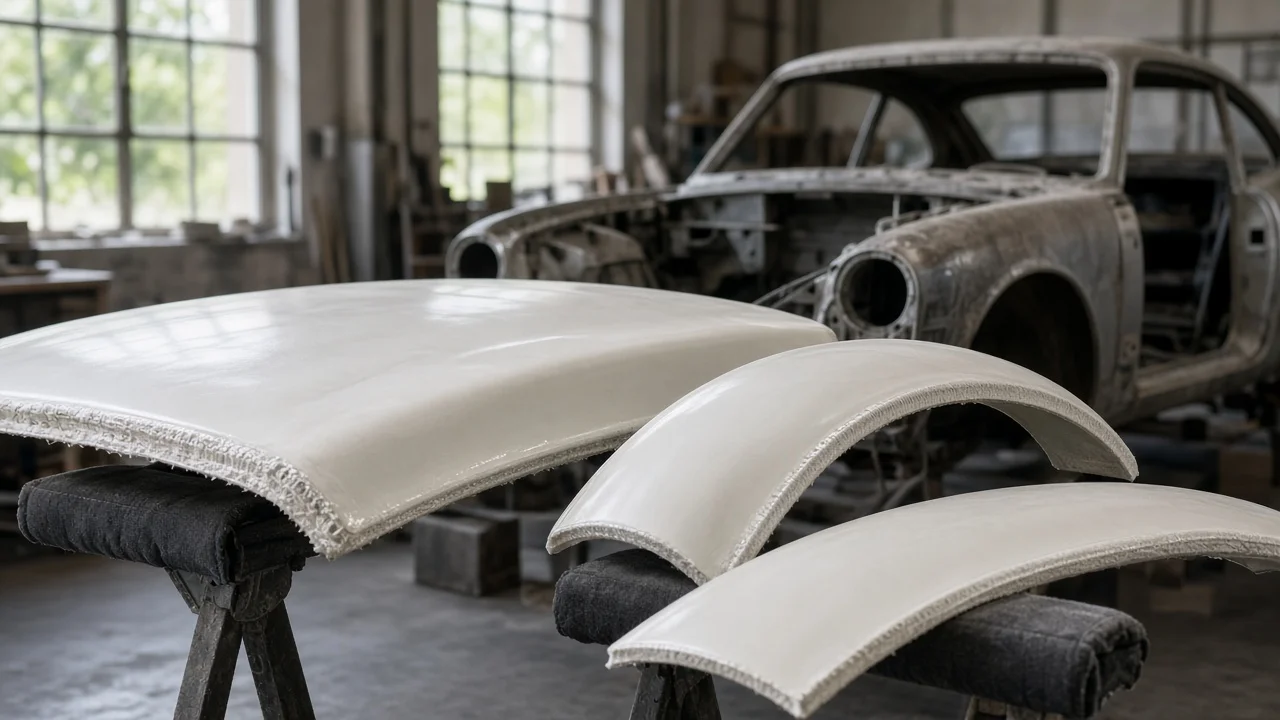
Fiberglass car body parts offer a practical route for restoration, weight reduction, or race car construction, but a good purchase depends on more than shape and price. Because fiberglass is a composite with different production methods and repair behavior than stamped steel, you need to evaluate part fitment, surface preparation, and how the panel will attach to your chassis or body. The right choice balances the lightweight advantage against the time required to block, trim, and finish each piece. This guide explains the key checks for planning that purchase, including considerations for fiberglass race car body parts and street-driven sheet metal replacement.
The direct answer
The immediate answer is to buy fiberglass car body parts only after confirming the intended use, the substrate material quality, and the realistic amount of fitting work. Fiberglass offers lower mass and corrosion resistance, but it is not a direct bolt-on replacement in every case. Some panels are designed as lighter skins for competition, while others are built to mimic original steel contours on a street vehicle. If the part must mount to factory attachment points, panel clearance and hole alignment become the first things to inspect before money changes hands.
For race car body parts, the condition changes because many pieces are designed to fit tube-frame or modified chassis layouts rather than stock inner fenders and core supports. You are often purchasing a body that will be cut, pinned, or riveted, which makes exact factory fit less relevant but makes panel thickness and finish compatibility more important. In a restoration, a hand-laid fender or hood may require blocking and test fitting before paint. The smart next step is to request the intended application information and inspect the backside for reinforcement, resin richness, and waviness, because those details determine whether the price reflects a ready-to-paint component or a large fiberglass project.