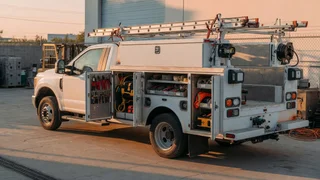
Truck service body parts
Choosing truck service body parts means matching the replacement component to how the body is built, mounted, and used. A service body carries tools, shelves, and equipment through daily jolts and weather, so wear appears at doors, hinges, latches, striker plates, and panel seams. The right part must align with existing attachment points while preserving weather sealing and clear access. Even when a part looks close, small differences in substrate material, finish coating, or mounting boss position can change fitment and long-term durability.
The direct answer
You can generally answer an immediate truck service body parts question by checking fitment against the body’s frame mounting pattern, body width, and door or compartment style before purchase. The most useful confirmation is whether the part matches the existing attachment points, latch orientation, material thickness, and finish system. Without that match, a replacement panel, door, hinge, or lock component may clear nearby structure poorly or require modifying mounting holes that were engineered to locate the part.
For body components such as compartment doors, striker plates, weather seals, and panel sections, begin by measuring the opening and comparing the hole pattern, hinge offset, and panel clearance rather than assuming a same-name part fits every truck. Substrate material and finish compatibility also matter because aluminum, galvanized steel, and painted steel expand, wear, and accept sealants differently. Confirming these conditions upfront reduces the risk of buying a part that fits loosely, binds, or opens the body to moisture.