Understanding Truck Service Body Parts: What You Need to Know Before Buying
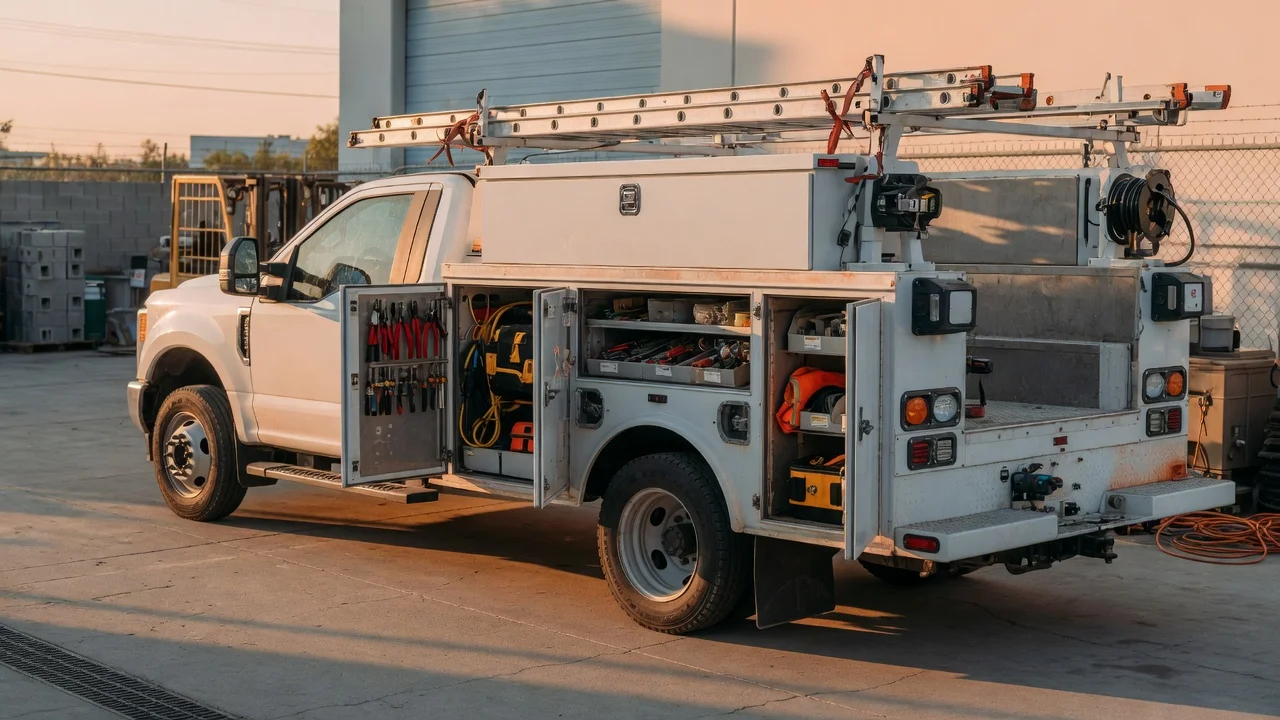
What truck service body parts are and why they matter
Truck service body parts are the structural and functional components that make up the utility body mounted behind the cab on a work truck. Unlike a standard pickup bed, a service body is built with enclosed compartments, shelving, and reinforced mounting points to carry tools, parts, and equipment. The main assemblies include the body shell or enclosure panels, compartment doors, door hardware, weather seals, floors, bumpers, ladder racks, and interior drawer or shelf units.
Which parts you are most likely to replace or repair
On a used or working service body, the highest-wear items are usually compartment door handles, latches, gas struts or door stays, and rubber weather seals. Damage from loading often affects compartment floors, lower door skins, and rear step bumpers. Ladder racks and their mounting feet also see repeated stress and may need replacement after corrosion or impact.
Compatibility depends on the body manufacturer and model year
Service body parts are not universally interchangeable. A door latch or seal for one body builder’s product may not fit another, and even within the same brand, parts can change by model year or body series. Before ordering, identify the body manufacturer, the body model or series, and ideally the serial number plate mounted on the body. If that information is missing, compare the part shape, mounting hole pattern, and hinge style against the existing component.
Common material and finish differences
Most service bodies are steel or aluminum. Steel bodies are heavier and may use galvanized or powder-coated panels for corrosion resistance. Aluminum bodies are lighter but can require different fasteners and sealants to avoid galvanic corrosion where steel hardware contacts the aluminum structure. Any replacement panel, hinge, or hardware should match the original material or use an appropriate isolator to prevent accelerated corrosion.
What to check before buying a replacement part
Confirm the truck chassis year, cab-to-axle dimension, and body mounting type. Identify the service body manufacturer and model tag. Compare hinge location, door swing direction, and latch orientation. Inspect whether the original part is riveted, bolted, or welded in place. Check the condition of surrounding structure before replacing only the visible damaged component.
When to repair instead of replace
A bent steel compartment door or a cracked weld in a body panel can sometimes be repaired if the surrounding metal is sound and the body is still structurally aligned. If the floor is heavily corroded or the door frame is distorted, replacement of the affected section or the entire compartment may be more cost-effective than repeated patching. The decision usually comes down to whether the repair restores the original door sealing and load capacity.
What to do when the required information is missing
If the body tag or serial plate is gone, take clear measurements of the part and its mounting points. Note the hinge type, door thickness, latch opening direction, and whether any manufacturer stamps appear on the inside of doors or drawers. Some parts distributors can match by photo and dimensions, but there is no guaranteed cross-reference between body builders. When the identity of the body cannot be confirmed, a custom-fabricated replacement may be the only safe route.