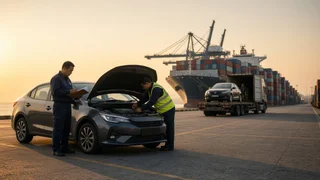
Exporting a Car from Malaysia: What the Process Involves
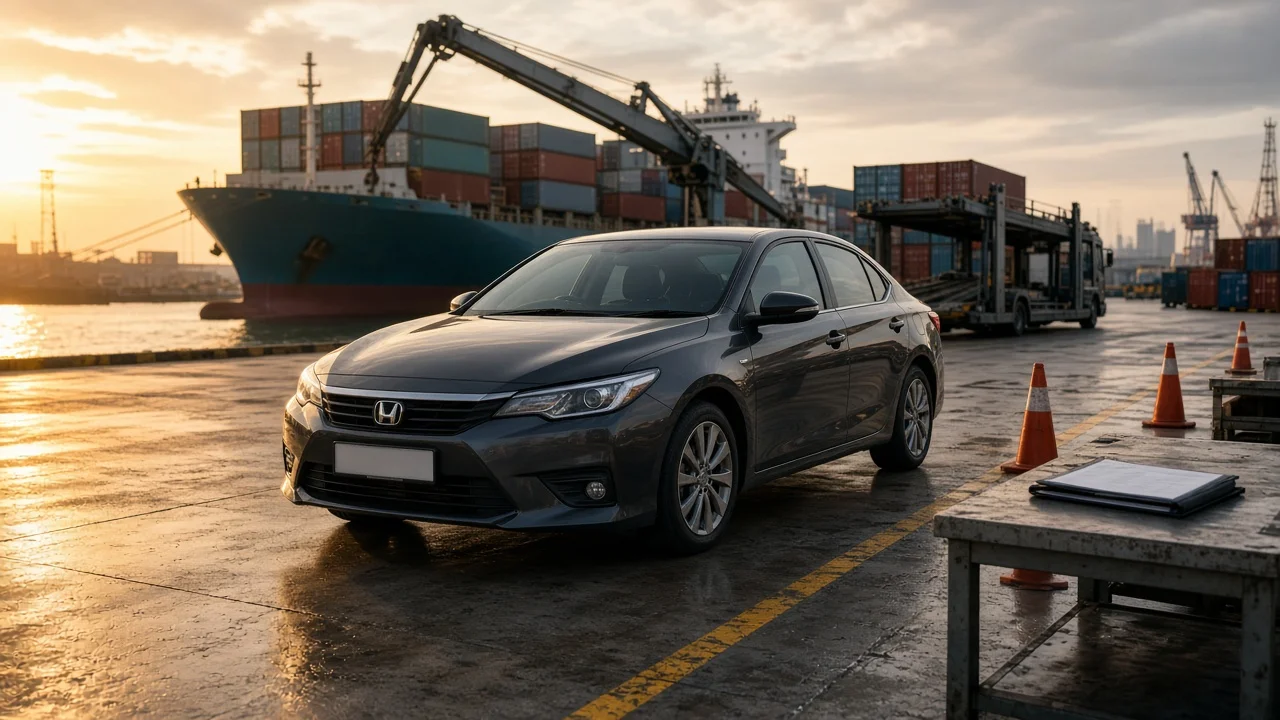
Exporting a car from Malaysia means legally removing a Malaysian-registered vehicle from the country so it can be shipped and registered somewhere else. It has two separate halves. The Malaysian side covers ownership, customs and deregistration. The destination side covers import approval, duties and compliance. Clearing Malaysian formalities does not mean the car can be imported elsewhere. For readers shipping to the United States, the destination rules usually decide whether the project is feasible at all.
The Short Answer
In general, a privately owned car can be exported from Malaysia once the exporter can prove clear ownership, the export is declared to Malaysian customs, and the vehicle's local registration is dealt with so it is no longer treated as being on Malaysian roads. The car is then shipped, usually through a freight forwarder or shipping agent. The importing country must then accept it under its own rules. Whether this is straightforward depends mainly on three things: whether the car is still under a loan, how it was originally brought into or registered in Malaysia, and whether the destination country allows that model and age of vehicle.
Main Stages on the Malaysian Side
Clear ownership: the vehicle must be owned outright. If it was bought on hire purchase, the finance company has an interest in it, and the loan normally has to be settled and that interest released before export. Export declaration: goods leaving Malaysia, including vehicles, are declared to the Royal Malaysian Customs Department, typically through a licensed forwarding or customs agent. Registration status: the Road Transport Department (JPJ) handles vehicle registration. An exported vehicle's local registration is normally cancelled or otherwise resolved, so the car is not left registered in Malaysia after it has left. Shipping: the car is moved by sea, either in a container or by roll-on/roll-off service, with documents prepared to satisfy both the port of departure and the destination.
Qualifications That Change the Answer
Outstanding finance is the most common obstacle. A car that is still under a loan cannot simply be shipped abroad, because legal ownership is not fully the registered user's until the lender releases it.
The vehicle's origin also matters. Cars registered under duty-exempt arrangements, such as those for Malaysia's duty-free islands, or brought in under other concessions, may have conditions attached. Moving such a car out of the area it was approved for can trigger duties or need extra approval. Check the car's history before planning export.
Malaysia drives on the left, so most cars there are right-hand drive. Some countries restrict or prohibit registering right-hand-drive vehicles. Others, including the United States at the federal level, do not ban them outright, but individual states may add their own requirements.
If the Destination Is the United States
US import is governed mainly by federal safety rules, administered by the National Highway Traffic Safety Administration, and emissions rules, administered by the Environmental Protection Agency. US Customs and Border Protection processes the entry itself. A car built for the Malaysian market generally was not certified to US standards. Such a car normally needs one of three routes: a recognized exemption, conversion by a registered importer where that is permitted for the model, or eligibility based on age. Federal rules provide age-based exemptions for older vehicles: 25 years for safety standards and 21 years for emissions. Confirm the current criteria with the agencies before committing to shipping, because a car that is not eligible may be refused entry or required to be exported again.
Gaps in This Overview
No verified source material was available for this guide. It therefore gives no specific fees, processing times, form numbers, duty rates or office contacts. It also cannot confirm whether a particular vehicle type needs an export permit beyond the customs declaration, or the exact current JPJ procedure for cancelling registration. These details change over time and can depend on the vehicle. Confirm them directly with Malaysian customs, JPJ, your lender if the car was financed, and the import authorities of the destination country before arranging shipment.