Exporting a Vehicle from Canada: What It Involves and How It Differs from Ordinary Travel

The short answer
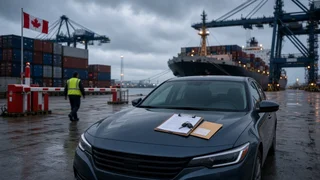
Exporting a vehicle from Canada means permanently moving a car, truck or other motor vehicle out of the country, whether you are relocating, selling to a foreign buyer or shipping it overseas. It is a two-sided process. On the Canadian side, the vehicle generally has to be reported to the Canada Border Services Agency (CBSA) before it leaves, with documents that show who owns it and that it is free to be exported. On the receiving side, the destination country decides whether the vehicle may enter and on what terms. Meeting Canada's export requirements does not guarantee the vehicle can be imported elsewhere.
The material qualification is purpose and permanence. Driving your own Canadian-registered vehicle across the border for a trip and bringing it back is ordinary travel, not an export. The export rules apply when the vehicle is leaving Canada to stay abroad or to change hands.
How a permanent export differs from temporary travel
Situation | Treated as | Canadian export reporting | Destination import approval; Driving to another country for a visit and returning | Temporary travel | Not normally required | Temporary-entry rules of the visited country apply; Moving abroad and taking the vehicle permanently | Export | Generally required | Full import approval in the destination country; Selling a vehicle to a buyer outside Canada | Export | Generally required | Buyer must meet destination import rules; Shipping a vehicle overseas by sea or air | Export | Generally required, before loading | Full import approval in the destination country
What Canada typically expects before a vehicle leaves
Canada's export controls on vehicles exist mainly to deter the export of stolen vehicles and to ensure exports are properly declared. Requirements can vary with the vehicle, its value, how it is leaving and who is exporting it, so treat the points below as the general shape of the process rather than a checklist.
Advance reporting: the vehicle and its documents usually have to be presented to CBSA ahead of export, with a minimum notice period that differs by mode of transport. Confirm the current notice period with CBSA before scheduling a crossing or shipment. Proof of ownership: the original registration or title and, where relevant, the bill of sale are normally required. Clear title: if the vehicle is financed or leased, the lender or lessor generally has to consent, and outstanding liens can stop an export. Vehicle identification: the vehicle identification number (VIN), the 17-character code that uniquely identifies a vehicle, must match the documents. Mismatches or alterations will draw scrutiny. Export declaration: depending on value and circumstances, an electronic export declaration may be required. The threshold and filing method should be checked with CBSA. Provincial matters: registration, plates and insurance are handled by the province, so cancelling or transferring them is a separate step from the federal export.
The import side often decides whether the export is worthwhile
For readers in the United States, the most common case is bringing a Canadian vehicle south. US import approval involves US Customs and Border Protection, along with federal safety and emissions requirements administered by the Department of Transportation and the Environmental Protection Agency. Many vehicles built for the Canadian market are close to US specification, but importers are often asked to show that a specific vehicle conforms. That proof usually comes from the manufacturer, and some manufacturers decline to provide it for certain models.
Eligibility depends on the specific model year, model and market version, so check it before committing to a purchase or shipment. Open safety recalls, emissions equipment and age-based exemptions can all change the outcome. Other destination countries have their own rules, which may include inspections, duties, taxes and age limits.
Where professional help fits
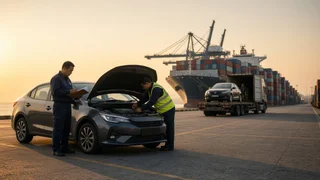
Customs brokers and registered importers handle these filings routinely. They are most useful when the vehicle is being sold rather than moved by its owner, when it needs modification to meet destination standards, or when it is being shipped overseas. Freight forwarders can coordinate export reporting with the shipping schedule for ocean or air transport.
Information gaps to resolve before acting
No confirmed figures were available for this overview. It does not state notice periods, value thresholds, fees, duty rates, processing times or form identifiers, all of which can change. Before acting, confirm the current Canadian export requirements with CBSA, the provincial steps with your registration authority, and the import eligibility of your exact vehicle with the destination country's customs and vehicle-standards authorities.