Exporting a vehicle from Singapore
The short answer
Exporting a car from Singapore is mainly an administrative process. The vehicle must physically leave the country, its Singapore registration must be cancelled (deregistered) with the Land Transport Authority (LTA), and the shipment must meet Singapore Customs export requirements. Singapore's rules govern only the departure. Whether the vehicle can be imported, registered and driven at its destination depends on that country's laws, and that is often the deciding factor in whether exporting makes sense.
What exporting a Singapore-registered vehicle involves
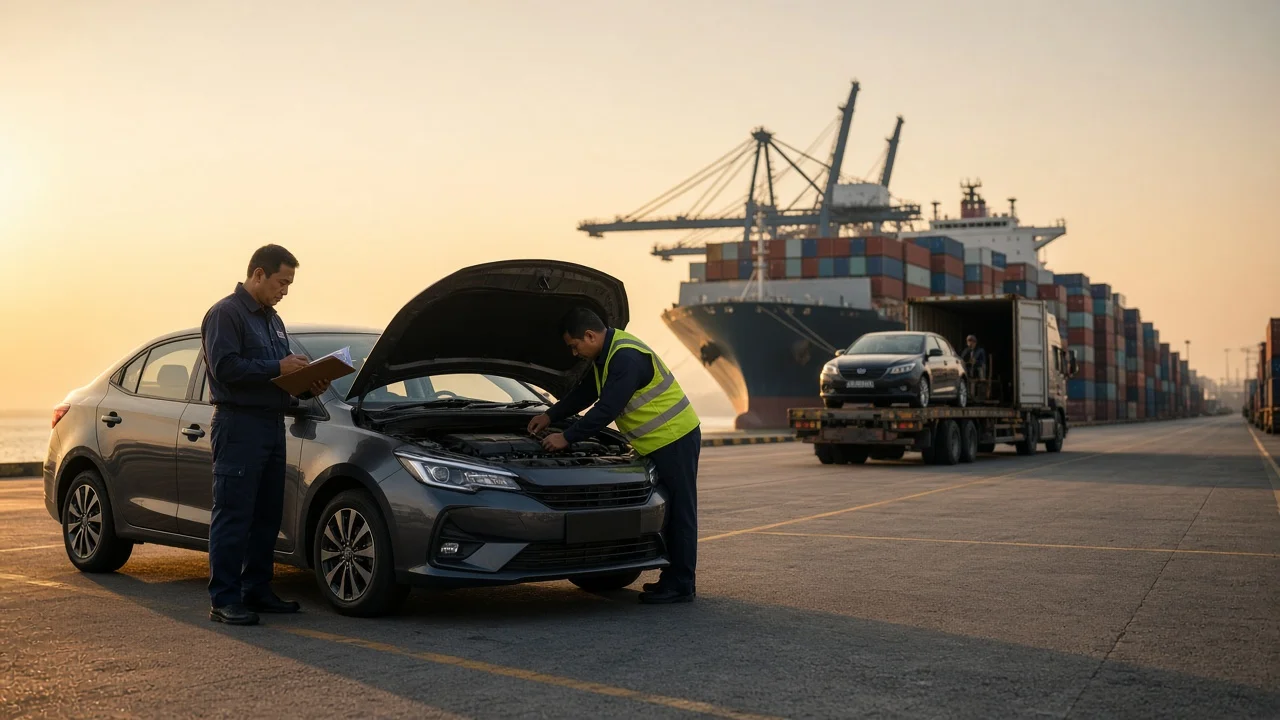
Deregistration: the vehicle's Singapore registration is cancelled because it is leaving the country. LTA generally expects proof that the vehicle has actually been exported. Customs clearance: goods leaving Singapore, including vehicles, are subject to export permit requirements administered by Singapore Customs. Settling local obligations: outstanding road tax, fines and other charges tied to the vehicle typically need to be cleared before deregistration can be completed. Ownership and financing: if the car is under a hire-purchase or loan agreement, the financier's consent or full settlement is normally required, because the lender has an interest in the vehicle. Shipping or transport: the vehicle is moved by sea freight or, for neighbouring destinations, overland, usually arranged through a shipping agent or freight forwarder. Destination compliance: the receiving country's import permits, duties, safety and emissions standards, and registration rules must be satisfied.
How export differs from other ways of ending ownership
Singapore owners who are finished with a car generally choose among selling it locally, scrapping it, or exporting it. The main differences concern what happens to the vehicle and its Singapore registration.
Option | What happens to the vehicle | Singapore registration | Key point; Export | Leaves Singapore for use or resale abroad | Deregistered | May qualify for deregistration rebates; destination rules decide whether it can be used there; Scrapping | Destroyed at an approved facility | Deregistered | May qualify for deregistration rebates; the vehicle has no further use; Local sale or transfer | Stays on Singapore roads | Transferred to the new owner | No deregistration takes place; the buyer takes over the remaining entitlement period
Rebates and other financial points
When a car is deregistered for export or scrapping, the owner may be entitled to refunds linked to the costs paid when it was first registered. These refunds include the Preferential Additional Registration Fee (PARF) rebate and the Certificate of Entitlement (COE) rebate. The COE is the time-limited right to own and use a vehicle in Singapore. Eligibility and amounts depend on factors such as the vehicle's age, how much of its COE period remains, and the vehicle's registration history. This article cannot state specific amounts or thresholds, so confirm the current rules with LTA before treating any rebate as part of the decision.
Destination-country rules
Singapore drives on the left and uses right-hand-drive vehicles built to the specifications of its market. Some countries readily accept such vehicles. Others restrict right-hand-drive cars, limit the age of imported vehicles, or require conformity with their own safety and emissions standards. Import duties and taxes at the destination can also be significant.
Readers considering a move from Singapore to the United States should know that a vehicle built for the Singapore market is generally not certified to US federal standards. US import is overseen by U.S. Customs and Border Protection together with the National Highway Traffic Safety Administration (NHTSA) for safety and the Environmental Protection Agency (EPA) for emissions. A non-conforming vehicle usually has to be brought into compliance through an approved process or qualify for a specific exemption, such as the age-based exemption for older vehicles. State registration rules then apply on top of the federal ones. Check eligibility with these agencies before shipping, because a vehicle that cannot be legalised may have to be re-exported or destroyed.
Who usually handles the process
Many owners use a vehicle exporter, a dealer or a freight forwarder experienced in vehicle shipments. These services typically arrange the export permit, shipping documentation and deregistration paperwork. Using an agent does not remove the owner's responsibility for settling financing, fines and taxes, or for confirming that the vehicle can be registered at its destination.
Information gaps to resolve before acting
No confirmed figures were available for this overview. Fees, rebate amounts, eligibility thresholds, processing times and current application channels are therefore not stated. These details change and depend on the individual vehicle, so verify them directly with LTA, Singapore Customs and the import authority of the destination country before committing to an export.