Exporting a Vehicle from the USA Through CBP
The short answer
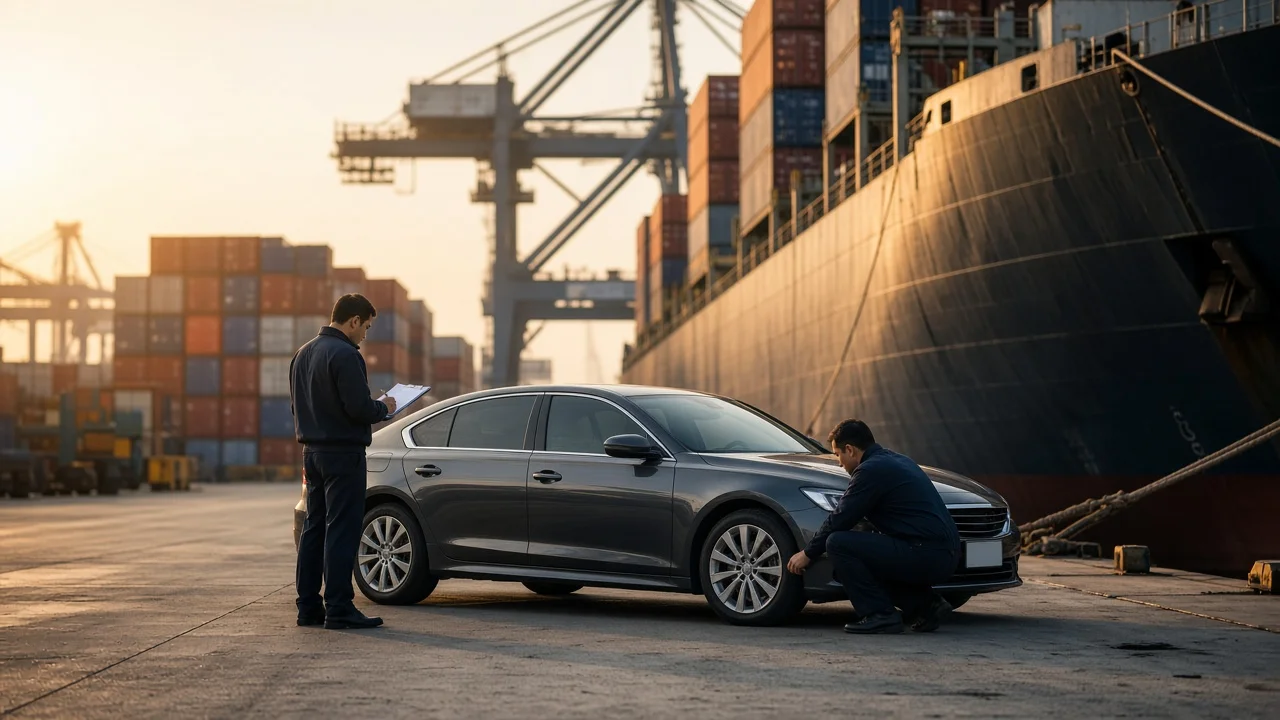
To export a vehicle from the United States, you generally need to present the vehicle and its ownership documents to U.S. Customs and Border Protection (CBP) at the port where it will leave the country, before it departs. CBP's role is to confirm that the exporter has the right to remove the vehicle from the country. It does this mainly by checking proof of ownership and the vehicle identification number (VIN), which helps catch stolen or encumbered vehicles before they leave. The export filing is a separate, electronic step that records the shipment with the federal government.
Two qualifications change the answer for many readers. First, CBP export clearance covers only the U.S. side of the move. Whether the vehicle can be registered and driven in the destination country depends on that country's import rules, which CBP does not assess. Second, a vehicle with an outstanding loan or lease usually needs the lender's or lessor's written authorization before it can be exported, because the owner of record is not the only party with an interest in it.
What "exporting through CBP" covers
Export clearance is a check at the border, not a registration or sales transaction. It applies whether the vehicle is shipped by sea, moved overland, or sent as part of a household relocation. For the most part, the same core requirements apply to a private owner relocating abroad as to a business exporting vehicles commercially. Commercial exporters, however, typically handle higher volumes and may face additional licensing or reporting obligations depending on the goods and the destination.
Export clearance also differs from importing a vehicle into the United States. On import, the main questions are whether the vehicle meets U.S. safety and emissions standards and which duties apply. On export, CBP is focused on ownership, identity and compliance with export reporting rules. U.S. safety and emissions conformity is generally not the issue when a vehicle is leaving.
Documents CBP typically expects
Exact document lists can vary by port and by the exporter's situation. The following items are commonly required or requested:
The original certificate of title, or a certified copy, showing the exporter as owner; The VIN, which must match the title and the vehicle itself; A lienholder or lessor letter authorizing export, if the vehicle is financed or leased; Proof of identity for the exporter; Evidence that the Electronic Export Information has been filed, usually shown by the confirmation number the filing system returns
Electronic Export Information (EEI) is the shipment data filed through the federal Automated Export System. When the filing is accepted, the system returns an Internal Transaction Number (ITN), which serves as proof of filing. Used vehicles are commonly treated as a category that requires an EEI filing regardless of value. Readers should confirm whether their particular shipment requires one, and who is responsible for filing it.
How the process generally fits together
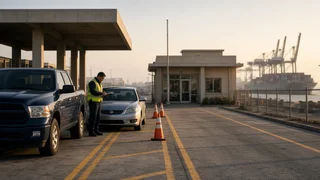
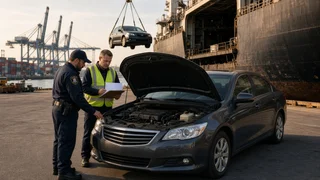
In practice, exporting a vehicle involves several parties. The owner or exporter supplies the title and any lien release. The EEI is filed electronically, often by a freight forwarder or shipping company acting on the exporter's behalf. The vehicle and documents are then presented to CBP at the port of export within the advance window that federal regulations require before departure. CBP reviews the paperwork and may physically inspect the vehicle before clearing it to leave.
Many private exporters use a freight forwarder, because forwarders handle the filing and coordinate with the port and the carrier. Using one does not shift legal responsibility for accurate ownership information away from the exporter. It is worth confirming in writing which tasks the forwarder will perform.
Common reasons for delays
A title that is missing, not in the exporter's name, or shows an unreleased lien; A VIN mismatch between the title, the export filing and the vehicle; An EEI filing that was not submitted, was rejected, or was submitted with errors; Presenting the vehicle or documents too close to the departure date; A lack of authorization from a lender or lessor
What to confirm before you ship
No confirmed figures were available for this guide, including the minimum advance-notice period, port fees, processing times and port-specific contacts. These details are set by regulation and by individual ports, and they can change. Confirm the current advance-presentation deadline and the accepted document formats directly with CBP at your chosen port of export. Confirm the destination country's import, registration and tax requirements with that country's authorities before committing to shipment.
After the vehicle has left the country, owners often also need to deal with the state where it was registered, for example by cancelling the registration or insurance. The requirements vary by state, so check with the relevant motor vehicle agency.