Finding a CBP Vehicle Export Office
The short answer
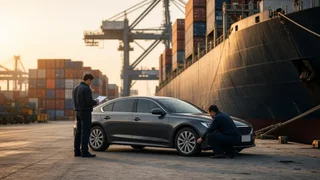
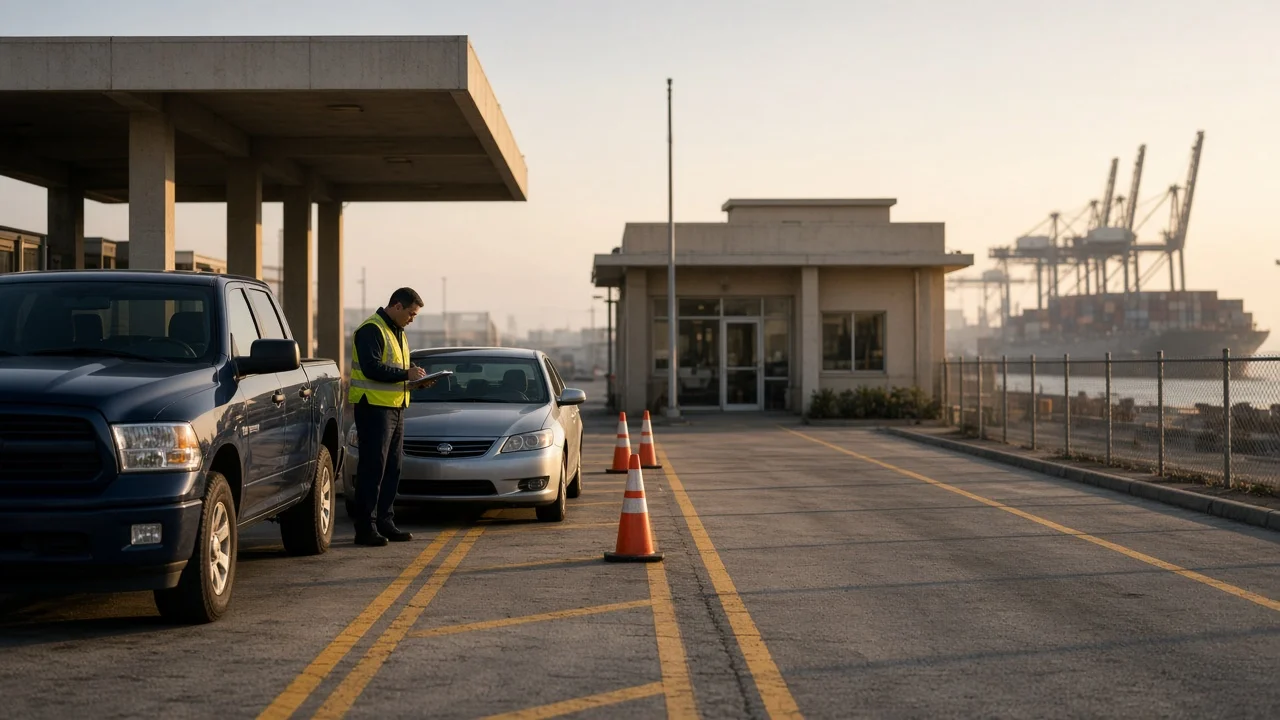
The CBP office you need for a vehicle export is the one at the port where the vehicle will physically leave the United States. That is usually a seaport for vehicles shipped overseas, though airports and land border crossings also handle exports. You do not choose a central or national office. The port of exportation decides which office reviews your vehicle documents.
This guide covers used, self-propelled vehicles leaving the United States, which is the situation the CBP vehicle export process is mainly built around. It does not cover importing a vehicle into the U.S., which involves different agencies and rules. Requirements can differ by shipment type, such as vessel, air or land, so confirm the details with the specific port office before relying on them.
What a CBP vehicle export office does
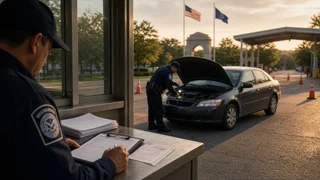
U.S. Customs and Border Protection (CBP) is the federal agency that controls goods entering and leaving the country. For vehicle exports, the port office checks that the vehicle is being exported legally. Its main concerns are that the exporter has a right to export the vehicle and that the vehicle is not stolen. Staff compare the ownership documents with the vehicle identification number (VIN), the unique 17-character code that identifies an individual vehicle. They may also inspect the vehicle.
Under federal regulations, the exporter generally has to present the ownership documents to CBP at the port of exportation at least 72 hours before the vehicle leaves. Some ports handle this through dedicated vehicle export staff. At others, the work is part of a general cargo or outbound enforcement unit. Procedures, appointment practices and document drop-off arrangements are set locally, so they can vary from port to port.
How it differs from other offices involved in an export
Several organizations can play a part in one vehicle export, and they are easy to confuse:
CBP port office: reviews title and ownership documents and may inspect the vehicle before it departs. State motor vehicle agency (DMV or equivalent): issues the Certificate of Title and certified copies. It does not clear exports. Electronic Export Information (EEI) filing: export data submitted electronically through the federal Automated Commercial Environment system. Used self-propelled vehicles generally require an EEI filing regardless of value. The filing is separate from presenting documents at the port. Freight forwarder or shipping line: arranges transport and often prepares or submits paperwork for the exporter. It is not a government office. Destination country authorities: set their own import, registration and duty rules, which CBP does not handle.
How to identify the right port office
Confirm the port of exportation. If a shipping company or freight forwarder is moving the vehicle, ask which port the vehicle will depart from. That is the port whose CBP office will review the export. Use CBP's official port directory. CBP's official website has a locator listing ports of entry, and each port listing includes its contact details. Search by the port name or city you were given. Ask the port how it handles vehicle exports. Ask whether it has a dedicated vehicle export unit, whether documents are submitted in person, by drop-off or through the forwarder, and whether appointments are needed. Check the timing. Confirm when the documents must be received relative to departure, and plan around the 72-hour minimum in the regulations. Ask your forwarder about the EEI. Find out who will file it and get the resulting confirmation number, since the port may ask for it.
Documents ports commonly ask for
The core requirement is proof of ownership tied to the VIN. In most cases that means the original Certificate of Title or a certified copy, plus the vehicle's VIN. Additional documents may be needed in some situations. For example, a vehicle with an outstanding loan may need a letter from the lienholder authorizing export, and other situations may call for other paperwork. Individual ports may also have their own checklists, so get the current list from the office handling your export.
Gaps in this guide
No verified port-specific information was available for this article. It does not list offices, phone numbers, addresses, opening hours, fees or processing times, and it does not cover any individual port's procedures. Federal requirements can also change. Treat the regulatory points above as general principles, and confirm current requirements with the CBP office at your port of exportation and with your freight forwarder before you ship.