EVAP System Smoke Test
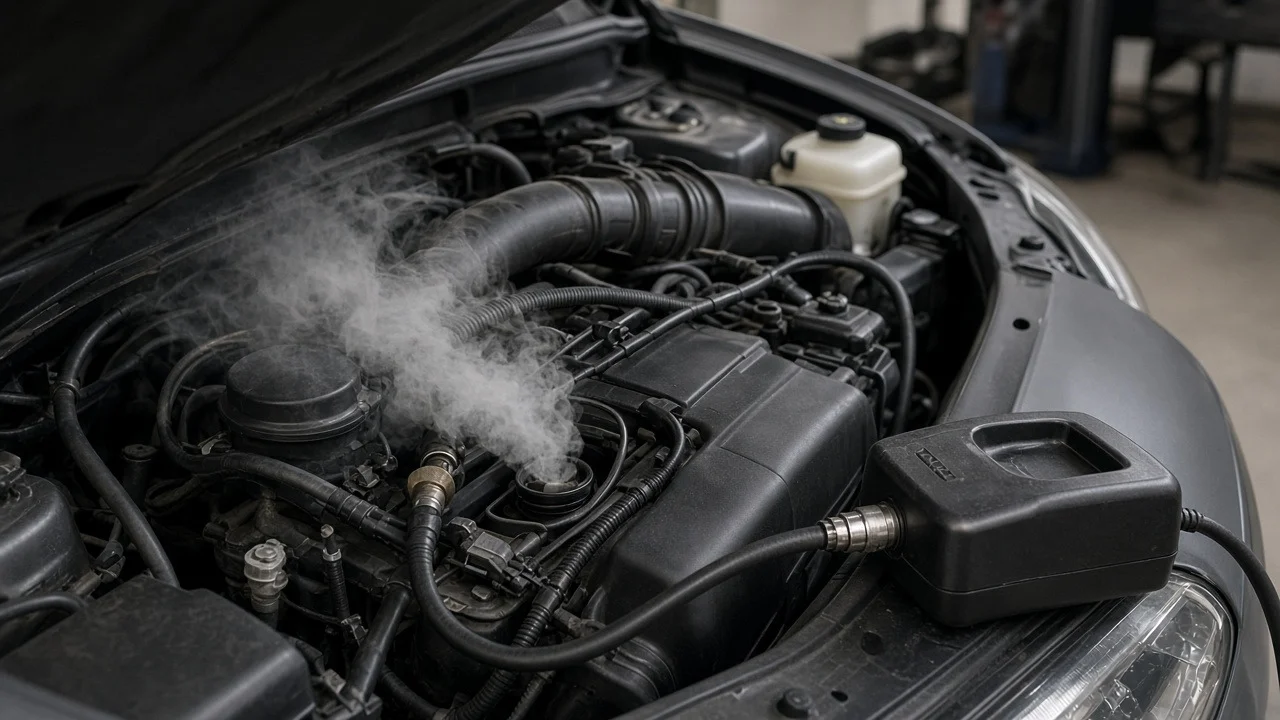
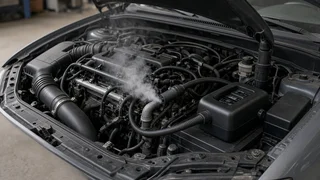
A smoke test car EVAP system diagnosis pressurizes the closed fuel vapor circuit with a visible vapor to expose leaks that are often too small to see or hear. This method helps trace fuel vapor escaping from the charcoal canister, purge valve, vent valve, or any connected vapor line. Because evaporative emission faults can trigger a check engine light without a fuel smell, the test turns an invisible leak into a smoke trail, making the search quicker and more accurate than guessing at common failure points.
Essential answer
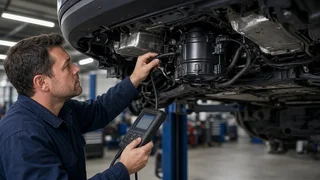
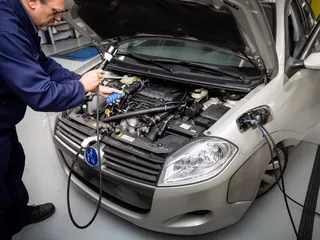
The essential answer is that an EVAP system smoke test uses a low-pressure smoke machine to fill the evaporative emissions circuit with a dense, visible vapor. The technician closes or commands the vent valve, connects the smoke source at a service port or disconnected line, and watches for smoke escaping from cracked hoses, loose fittings, a leaking charcoal canister, or a faulty purge valve. The procedure is a leak test, not a component test by itself, so found smoke marks the location of the leak but does not prove the entire part is defective.
A smoke test is especially useful after a diagnostic trouble code suggests a small or large evaporative leak. The vapor is pushed through the fuel vapor lines at a controlled pressure, allowing cracks and poor seals to reveal themselves without spraying flammable liquids near fuel components. For a typical car EVAP system, this approach saves time by testing the entire vapor path at once, though some leaks near the fuel tank pressure sensor or canister vent may still require further inspection or a manufacturer-specific service procedure.