EV Motor Cooling System

An EV motor cooling system manages the heat produced by the electric drive unit during acceleration, sustained highway driving, and fast charging. Unlike an internal-combustion engine that sheds large amounts of waste heat through exhaust, an electric motor runs more efficiently but still generates concentrated thermal loads in its windings, rotor, and power electronics. If that heat is not removed in a controlled way, insulation life, magnet performance, and inverter output can suffer. Understanding the cooling circuit, coolant specification, and typical failure signs helps an owner or shopper recognize whether a given EV is designed to protect its drive unit.
Essential answer
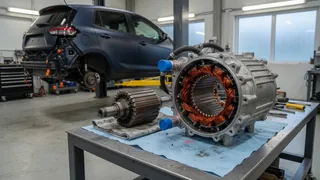
An EV motor cooling system is a closed cooling circuit that circulates a liquid coolant through passages in or around the motor and often the inverter. The coolant absorbs heat from the stator and nearby electronics, then travels to a radiator where airflow removes that heat before the fluid returns. Some systems also use an oil loop inside the drive unit to cool the rotor and gearset, with a heat exchanger transferring the load to the main water-glycol circuit.
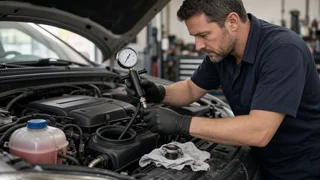
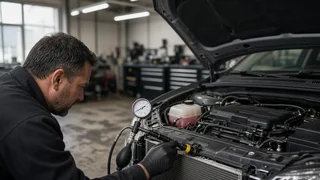
Several components influence how well the system behaves. A thermostat or controlled valve can help the drive unit reach a suitable temperature, while a pressure cap raises the coolant’s boiling point and helps control expansion. Coolant concentration matters because too little antifreeze reduces freeze and corrosion protection, while too much can lower heat-transfer ability. Air pockets can create hot spots or reduce flow, so filling and venting are part of keeping the circuit effective. Different manufacturers may use different coolant paths, so vehicle-specific confirmation is important when interpreting warnings or service guidance.