Master Cooling System Pressure Tester
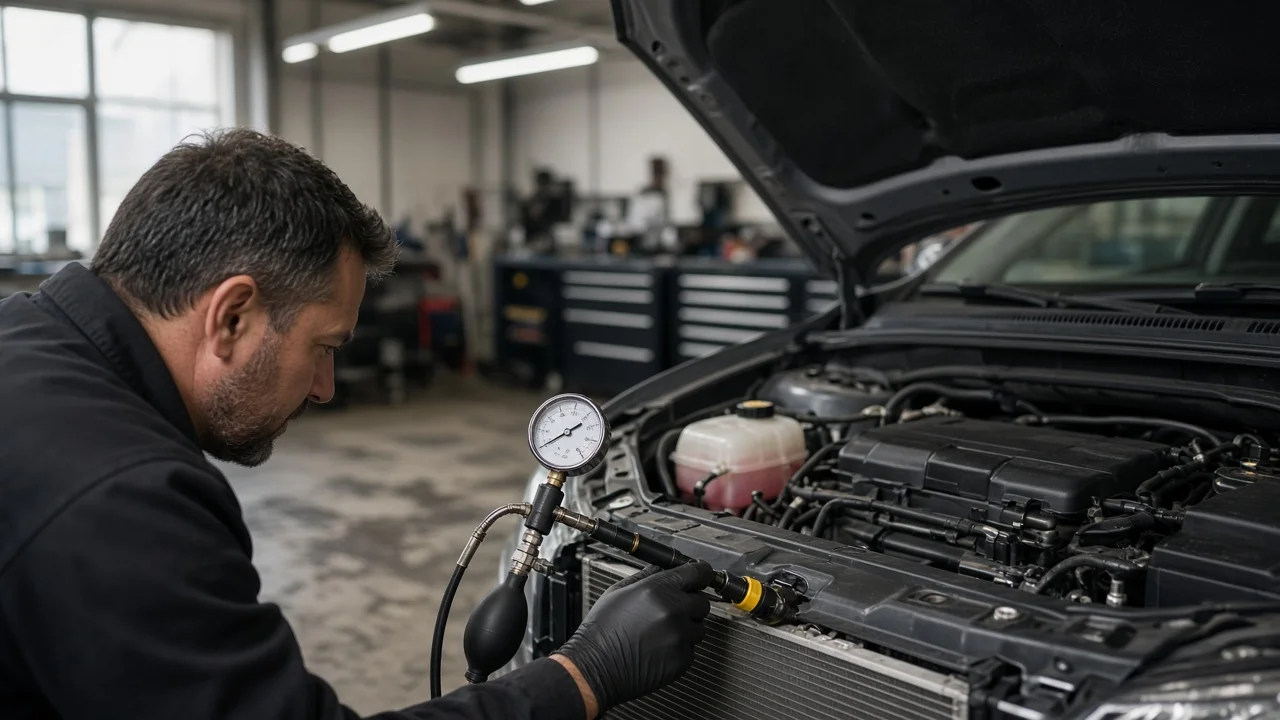
A cooling system that cannot hold pressure will slowly lose coolant, run hot, and may fail at the worst possible time. A master cooling system pressure tester is a diagnostic tool designed to pressurize the cooling circuit when the engine is cold, so leaks, weak hose connections, a faulty pressure cap, or a failing radiator can be found before they strand you. This guide explains what the tool does, how it fits into cooling-system diagnosis, and which practical points matter when you are choosing one for a car, truck, or SUV.
The direct answer
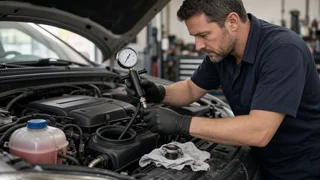
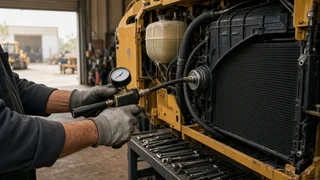
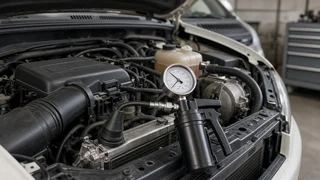
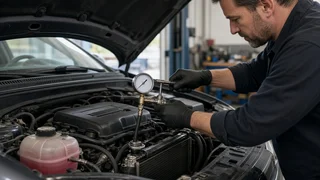
A master cooling system pressure tester lets you pump controlled air pressure into the cooling circuit and watch whether the needle holds steady. If pressure drops, the system is losing sealing ability somewhere. The test does not identify a single failed part by itself, but it converts a slow coolant loss or an occasional overheating complaint into a visible leak path. The most useful result is often a damp hose end, a seeping radiator tank seam, or a heater core trace that appears only under pressure.
The most important condition is that testing should be done with the engine cool and the pressure limited to the range marked on the pressure cap or service information for the vehicle. Overpressurizing can create a new leak or damage an aging radiator or heater core. Because cap ratings and cooling-circuit layouts differ between vehicles, treat the tester as a controlled diagnostic aid rather than a proof that one component has failed. A steady gauge does not automatically clear the cap, thermostat, or coolant concentration, but a dropping gauge gives you a specific place to inspect next.
When you compare testers, look for the adapters and sealing ability that match your vehicles. A universal kit is only useful if the included adapters fit the filler neck or expansion tank opening securely. If the connection leaks during the test, the gauge reading becomes misleading. The pump should build pressure smoothly, and the release valve should let you bleed pressure gradually before removing the adapter. Simple, clearly marked gauges are easier to read when you are working under a hood in poor light.
Also consider how the tester interacts with the rest of the cooling circuit. A cooling system with trapped air pockets can produce a bouncing or slow reading that may look like a leak. Before a pressure test, the coolant level should be correct and the engine at a stable, cool temperature. The tool cannot correct air pockets or low coolant by itself, but it can help you confirm whether the system holds pressure after the level is set and the circuit is filled properly.