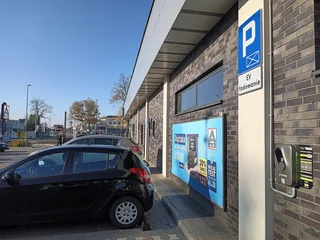
EV Charging Station Installation Requirements for Shared Residential Parking
Installing an electric vehicle charger in a shared residential setting, such as a condominium garage, apartment lot or HOA-managed parking area, involves more than mounting a wall unit and running a circuit. The core technical requirements match those for a single-family home: adequate electrical capacity, a code-compliant installation and a permit where one is required. Shared property adds governance, cost allocation, access and billing questions that often take longer to settle than the wiring itself. This guide explains those requirements in the US context and how they differ from a private-garage installation.
The Short Answer
In the US, a residential EV charging station generally needs four things: enough spare electrical capacity at the panel or service, a dedicated circuit and equipment installed to the National Electrical Code as adopted locally, a permit and inspection from the local building authority where required, and permission from whoever controls the property. In a single-family home, the owner grants that permission. In shared housing, it usually comes from a condo association, HOA board, landlord or property manager, and it is often governed by bylaws, lease terms or, in some states, right-to-charge laws.
The exact rules vary by state, municipality, utility and building. Treat everything below as a general framework, not a substitute for your local code official, utility and governing documents.
Charging Levels and What They Demand
The type of charging you plan to install shapes almost every other requirement. Residential settings almost always use Level 1 or Level 2 alternating-current charging. The car's onboard charger converts that power to direct current for the battery.
Charging type | Typical supply | Common residential use | Installation demand; Level 1 | 120-volt household outlet | Overnight charging for low daily mileage | Minimal; often a dedicated standard outlet; Level 2 | 240 volts in homes, often 208 volts in commercial and multifamily buildings | Most home and shared-garage chargers | Dedicated higher-amperage circuit, permit commonly required; DC fast charging | High-power, usually three-phase service | Rare in residential settings | Major electrical upgrade, utility involvement, significant cost
Level 1 is the simplest option and can suit residents who drive modest distances and park for long periods. Level 2 is the usual choice for shared garages because it adds range several times faster than Level 1. That speed makes it practical for residents to rotate through a limited number of stalls. DC fast charging is uncommon in residential buildings because of its electrical and cost demands.
Electrical Capacity and Load Calculation
Electrical capacity is the most common technical constraint in multifamily buildings. A single-family home needs room for one or two chargers on its own panel. A shared building may face requests from many residents fed by the same service, and the service may have been sized long before EVs were a consideration.
Before approving installations, a licensed electrician or electrical engineer typically performs a load calculation. This assessment estimates how much demand the existing service carries and how much remains available. Code treats EV charging as a continuous load, so circuits and overcurrent protection must be sized with additional headroom over the charger's rated draw. As a result, a building can run out of capacity sooner than a simple count of chargers suggests.
When capacity is limited, common approaches include:
Load management or power sharing: networked chargers divide available power among connected vehicles. More stalls can then be served without upgrading the service. Lower-power Level 2 circuits: modest per-stall power is often enough for overnight charging and spreads capacity across more residents. Service upgrade: adding a new service or upgrading transformer capacity in coordination with the utility. This is often the most expensive and slowest option. Separate metered service: some buildings add a dedicated meter for EV charging, which can simplify billing and may open access to specific utility rate plans where offered.
Code, Permits and Inspection
EV charging equipment in the US is covered primarily by Article 625 of the National Electrical Code, along with general wiring, grounding and overcurrent provisions. States and municipalities adopt specific editions of the code, sometimes with local amendments, so the requirements that apply depend on where the building is located.
Typical installation requirements include:
A dedicated branch circuit sized for the charger's continuous load; Equipment listed by a nationally recognized testing laboratory; Ground-fault protection where code requires it, either built into the charging equipment or provided at the circuit; Enclosures and outlets rated for the environment, especially in outdoor or wet locations; Proper conductor sizing, conduit routing and physical protection, particularly in parking structures where vehicles can strike equipment; Clear labeling of circuits and disconnecting means
Most jurisdictions require an electrical permit for a Level 2 installation and an inspection once work is complete. In shared buildings, permits are usually pulled by a licensed electrical contractor and may require sign-off or authorization from the property owner or association. Skipping the permit can create problems with insurance, resale and future inspections.
Approval and Governance in Shared Housing
Governance is where shared residential charging differs most from a private garage. Before any wiring starts, someone has to decide who may install equipment, where it can go, who pays and who is responsible afterward.
Condominiums and HOAs
In condos and HOA communities, parking stalls may be deeded to individual owners, assigned for exclusive use or held as common property. The board typically controls changes to common elements, including electrical rooms, conduit runs through shared walls and the building's service. An owner usually submits a written request describing the charger, the proposed wiring route and the installer. The board may then attach conditions.
Some states have adopted right-to-charge laws that limit an association's ability to unreasonably prohibit an owner from installing a charger at their own stall. These laws usually still allow reasonable conditions, such as using a licensed contractor, maintaining insurance and paying installation and electricity costs. Coverage and conditions differ significantly from state to state, so check the law that applies to your property and the association's governing documents.
Apartments and Rental Properties
Renters generally need landlord approval for any permanent electrical modification. Some right-to-charge laws extend to tenants, typically with conditions about cost, insurance and restoring the space when the lease ends. In many rental buildings, the more practical path is a property-wide program. The owner or a charging provider installs shared chargers and residents pay per session or through a subscription.
Terms Commonly Set in an Approval Agreement
Who pays for installation, any needed upgrades and later removal; How electricity use is measured and billed; Who owns and maintains the equipment; Insurance requirements and liability allocation; What happens when the unit is sold or the lease ends; Restrictions on equipment location, appearance and cable management
Individual Chargers Versus Shared Charging Programs
Shared residential properties generally follow one of two models, and the choice affects nearly every requirement above.
Factor | Individual resident chargers | Building-wide shared program; Who initiates | Each resident, case by case | Association, landlord or management; Parking | Usually tied to an assigned or deeded stall | Shared stalls available to multiple residents; Electrical planning | Piecemeal; capacity can be used up by early adopters | Planned as a whole, often with load management; Billing | Submeter, separate circuit or estimated reimbursement | Networked chargers with per-session or subscription billing; Maintenance | Resident's responsibility | Owner or third-party operator; Scalability | Limited by remaining panel capacity | Designed to expand as demand grows
Individual installations can be faster for one early resident. Uncoordinated additions, however, can consume the building's spare capacity, leaving later requests expensive or impossible to accommodate. Many associations find it more practical to commission a building-wide assessment first. A common next step is installing conduit and electrical infrastructure to more stalls than currently needed, an approach often called making stalls EV-ready, so future chargers can be added at lower cost.
Metering, Billing and Cost Allocation
Fair cost allocation is a recurring source of disputes in shared buildings. When a charger draws from a common-area meter, the electricity is effectively paid by all owners or by the landlord unless it is measured and recovered. Common solutions include:
Wiring the charger to the resident's own unit meter, where the building layout makes that feasible; Installing a submeter or using a charger with built-in energy metering so usage can be billed back; Using networked chargers that handle access control and payment automatically; Adding a dedicated utility meter for EV charging, sometimes paired with a time-of-use rate where the utility offers one
Where billing relies on the charger's own metering, local regulations may set accuracy or disclosure requirements for reselling electricity. Your utility or the state public utility commission can clarify what applies.
Siting, Access and Safety in Shared Parking
Shared parking adds practical requirements a private garage rarely faces:
Physical protection: bollards or wheel stops help keep vehicles from striking chargers and conduit. Cable management: cords should not cross walkways or adjacent stalls in ways that create trip hazards. Accessibility: when charging is offered as a shared amenity, federal, state or local accessibility requirements may apply to some stalls, including clearances and reachable controls. Access control: networked chargers or locking enclosures can limit use to authorized residents. Lighting and signage: clear marking of EV stalls and charging-only rules helps limit disputes over occupied spaces. Fire and building code coordination: parking structures may carry additional requirements, so involve the local fire marshal or building department where appropriate.
Utility Coordination and Incentives
For larger multifamily projects, contact the electric utility early. Utilities may need to review added load, especially if a service upgrade or new meter is involved. Some utilities, states and local governments run programs that support multifamily charging, such as rebates, make-ready infrastructure funding or special EV rates. Availability, eligibility and amounts change frequently and vary by region, so confirm current options directly before budgeting a project around them. Federal tax incentives for charging equipment have also changed over time, so check their current status with a tax professional.
A Practical Sequence for Getting Started
1) Review your governing documents, lease or association rules, and check whether your state has a right-to-charge law that applies to you. 2) Talk to the board, landlord or property manager early, ideally before getting contractor quotes. 3) Have a licensed electrician assess available capacity and the feasible wiring routes from the electrical room to the parking area. 4) Decide between an individual installation and a building-wide program, considering future demand rather than only the first request. 5) Agree in writing on cost, metering, maintenance, insurance and responsibilities at sale or move-out. 6) Check utility and local incentive programs before finalizing equipment choices. 7) Have the contractor pull permits, complete the installation and pass inspection before regular use.
Key Takeaway
The electrical requirements for EV charging in shared housing are well established: adequate capacity, a dedicated and properly protected circuit, listed equipment, and a permitted, inspected installation. The harder part is usually organizational: securing approval, deciding who pays and planning capacity so the building can serve more than its first few EV owners. Residents and boards that address governance and load planning together tend to end up with charging that is safer, fairer and easier to expand.