Ethanol content in unleaded gasoline
The short answer
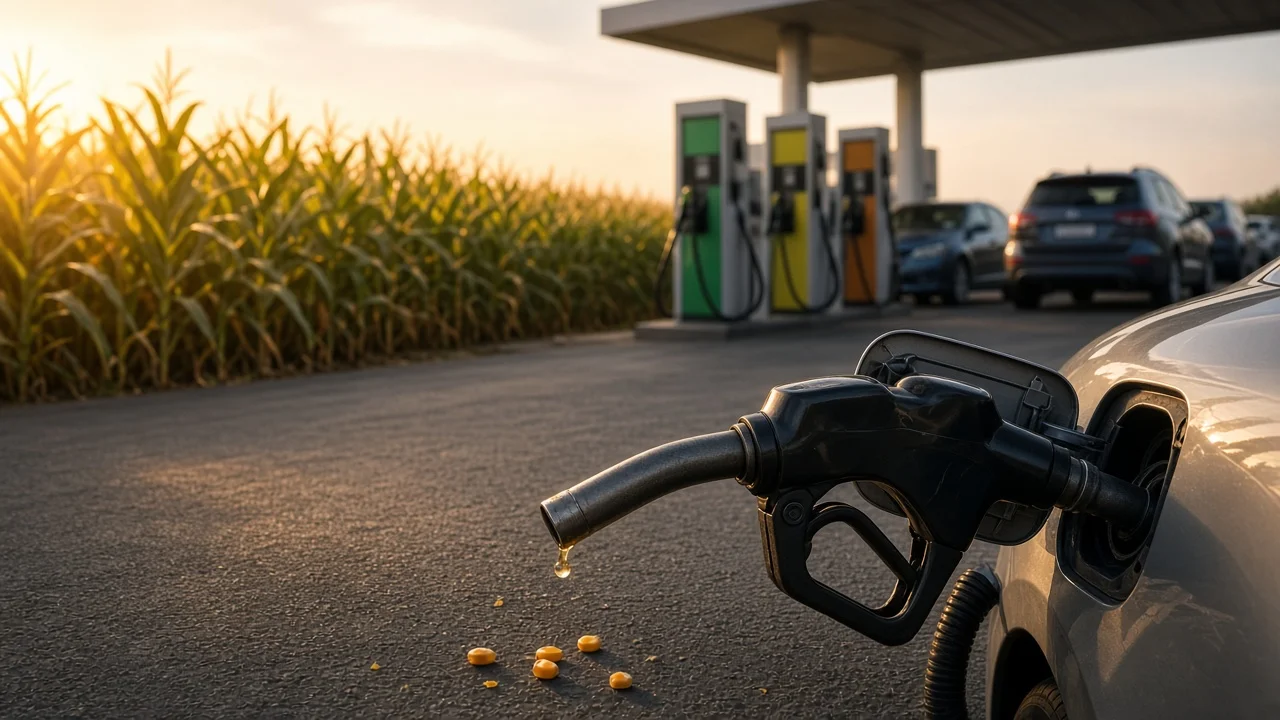
In the United States, most regular unleaded gasoline sold at retail pumps contains ethanol. The common blend is E10, which means the fuel can contain up to 10 percent ethanol, with the rest gasoline. "Unleaded" only means the fuel has no added lead; it does not mean the fuel is free of ethanol. The exact ethanol share at a particular pump depends on the blend that station sells, so the label on the dispenser is the most reliable guide to what you are buying.
What the E-numbers mean
Fuel blends are named by the letter E followed by the maximum percentage of ethanol in the mix. Each blend has a different scope of approved use, and that qualification matters more than the number itself.
E10: up to 10 percent ethanol. This is the typical regular, midgrade and premium unleaded found at most US stations, and it is suitable for conventional gasoline vehicles. E15: up to 15 percent ethanol. The US Environmental Protection Agency allows it in model year 2001 and newer cars, light-duty trucks and medium-duty passenger vehicles, as well as flex-fuel vehicles. It is not approved for older vehicles, motorcycles, boats or small engines such as lawn mowers and chainsaws. Pumps selling it are required to carry a warning label. E85: a high-ethanol blend intended only for flex-fuel vehicles. Its actual ethanol content can vary by season and region and can be well below 85 percent. Ethanol-free gasoline: sometimes labeled E0, pure gasoline or recreational fuel. It is sold at a limited number of stations and is often chosen for small engines, marine engines and some older or collector vehicles.
How ethanol relates to octane
Octane rating describes a fuel's resistance to knock, the uncontrolled ignition that can occur under compression in the engine. Ethanol has a high octane rating, so refiners and blenders use it to help reach the posted octane number on the pump. That is why ethanol appears in regular as well as premium grades: the posted octane figure describes the finished blend, not the gasoline alone.
For octane compatibility, the figure that matters is the one specified in your owner's manual. Using a blend with higher ethanol content does not change what octane your engine requires, and a higher-octane fuel offers no benefit for an engine designed for regular unless the manufacturer says otherwise.
Practical differences to expect
Ethanol contains less energy per gallon than gasoline, so as the ethanol share rises, fuel economy generally falls. The size of that effect depends on the blend, the vehicle and how it is driven; no measured figures were available for this guide, so specific mileage differences cannot be stated here.
Ethanol also absorbs water more readily than gasoline. This is one reason owners of equipment that sits unused for long periods, such as boats, generators and seasonal small engines, often prefer ethanol-free fuel or follow the equipment maker's storage guidance.
How to check what your vehicle can use
Read the fuel section of the owner's manual, which states the maximum ethanol blend and the minimum octane for that specific model year and powertrain. Look inside the fuel filler door or on the fuel cap; flex-fuel vehicles are often marked there, and some have a yellow fuel cap or badge. Check the pump label before fueling, especially at dispensers offering E15 or E85 alongside regular unleaded. For older vehicles, motorcycles, boats and small engines, follow the manufacturer's fuel recommendation rather than assuming any blend is acceptable.
What this guide cannot confirm
No station-level, regional or current market data was available for this article, so it does not state how widely each blend is sold, the ethanol content at any particular location, or price differences between blends. Fuel regulations, including seasonal rules for E15, can change, so current pump labels and your vehicle's documentation should take precedence over general guidance.