Engine oil pressure warning off
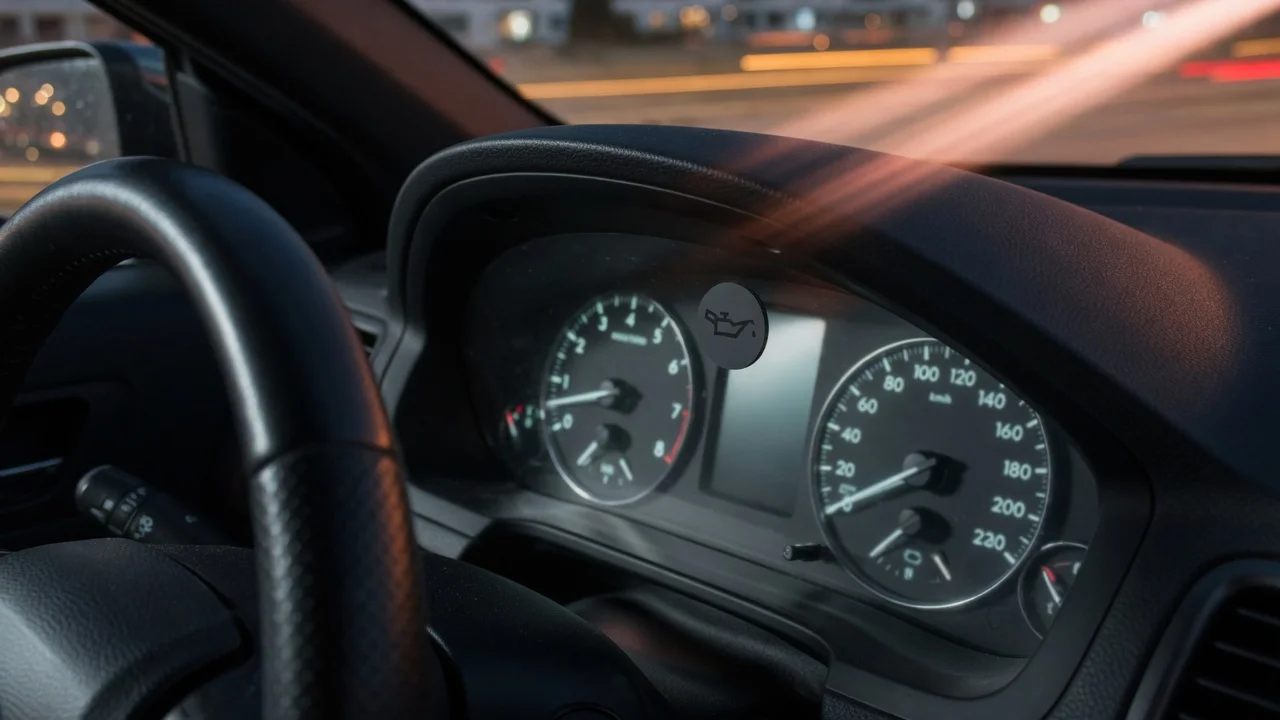
What an off oil-pressure warning means
On most vehicles, the engine oil-pressure warning is designed to stay off while the engine is running and oil pressure is above the switch or sensor threshold. After a key-on lamp check, the warning should go out shortly after start once the oil pump has filled the galleries. An off warning during normal running is the expected state. It is not a reset you apply with a button, and it is not proof that oil pressure is healthy if the lamp never worked in the first place.
The picture changes if the warning was on with the engine running and later went out, if it flickers, or if it never illuminates when the ignition is first turned on. Those patterns still need oil-level and circuit checks. Exact trip points, sender type, and whether the vehicle shows a lamp, a gauge, or a message vary by model year, engine, and market. This guide covers the common oil-pressure warning circuit, not a specific make.
How the warning is supposed to behave
Many older and simpler systems use a low-pressure switch that closes when pressure is below a factory threshold and opens once pressure rises. The instrument cluster then turns the red oil-can lamp off. Other vehicles use a pressure sensor and the powertrain control module or cluster software to decide when to show a warning or a numeric value. In both layouts the running-engine default is warning off.
What you see Usual meaning; Lamp or message on with ignition, engine off Bulb or display check; expected on most vehicles; Warning goes off a few seconds after start Pressure has risen above the switch or software threshold; expected; Warning stays off while driving at normal speed Expected if the lamp circuit is working; Warning stays on with the engine running Treat as low oil pressure or a failed sender until proven otherwise; Warning never comes on at key-on The lamp, wiring, or switch may not be able to warn you; Warning flickers at hot idle, then goes off when you raise rpm Pressure may be marginal at idle; needs diagnosis
When the warning was on and then went off
If the warning lit while the engine was running and later went out, do not treat the off state as a completed repair. Low oil level, aeration, a sticking switch, or pressure that only recovers at higher engine speed can all produce a light that comes and goes. Check the oil level on level ground after the engine has been off long enough for oil to drain back, using the dipstick or electronic level procedure in the owner information for that vehicle. If the level is low, find the leak or consumption path rather than only topping up. If the level is correct and the warning has been on at idle or under load, stop using the vehicle until oil pressure is measured with a mechanical gauge or an equivalent workshop test. A stored fault code, if present, is a reason to investigate that circuit. It is not proof that the oil pump, sender, or bearings have failed.
What can cause this warning pattern
Diagnostic steps below apply to the engine lubrication warning and its sender or sensor circuit. They do not by themselves confirm a failed oil pump or engine bearing. Observable checks and what each result points to:
Oil below the dipstick or electronic minimum: the pump can ingest air, pressure can fall, and the warning can come on, then go off after a top-up. Find why the level dropped. Oil at the correct level and the warning still came on while running: possible causes include a failing pump, a blocked pickup screen, diluted or overheated oil, worn main or rod bearings, or a sender that is reading low. This is a stop-and-diagnose condition if the light is on at idle or under way. Warning off at key-on, no bulb check: burned-out lamp or LED, failed cluster, open wiring, or a switch stuck in the open (pressure-OK) position. You may have no low-pressure alert until the circuit is repaired. Warning on only at hot idle, off as soon as rpm rises: pressure may be close to the switch threshold when viscosity is low. That can be a weak pump, worn engine, incorrect oil grade for the climate and specification, or a switch that trips too high. Confirm with a gauge; do not keep idling in that state. Recent oil or filter change, warning then off after a short run: a dry filter or galleries can delay pressure on the first start. If the lamp stays on more than a few seconds after start, shut down and recheck level, filter fitment, and drain-plug sealing. Aftermarket gauge or sender adapter on the same port: a leak, wrong thread, or dual-sender tee can false-trigger the original warning or hide a real pressure loss.
What to check next
Confirm the oil level and that the correct specification and viscosity for that engine and climate were used. Overfill can aerate oil; underfill can drop pressure. Note when the warning is on or off: key-on engine-off, cold start, hot idle, cruise, or after a long high-load run. That timing is more useful than replacing parts first. Look for oil leaks, a wet filter or drain plug, blue exhaust smoke, or a rising oil level that suggests fuel dilution. Listen for new knocking or ticking that appeared with the warning. Knock with a low-pressure warning is a reason to stop the engine. If a scan tool is available, read lubrication, sender, and cluster codes as investigation leads. Clear codes only after the cause is understood. If the warning was on with the engine running, or you have knock, have oil pressure verified at the gallery with a mechanical gauge against the workshop specification for that engine. Sender substitution without a pressure reading can miss a damaged engine.
When to stop and get a workshop involved
Stop as soon as it is safe if the oil-pressure warning stays on with the engine running, if it comes on under load, or if it is accompanied by knocking, a sudden drop in oil level, or loss of power. Continued running with true low pressure can destroy bearings in a short time. A warning that is simply off during normal driving, after a normal key-on check, does not by itself require a shop visit. A warning that never comes on at key-on does: the alert path needs repair before you rely on it. Factory pressure specifications, switch ratings, and any variable-displacement oil-pump control are model-specific and are not listed here; use the service data for the exact engine.