Enclosed ATVs: choosing protection from the weather
The short answer
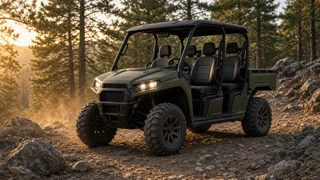
If you want to ride in rain, snow or cold with real shelter, you are usually shopping for a side-by-side, also called a UTV (utility task vehicle), with a cab enclosure. A traditional ATV, where you straddle the seat and steer with handlebars, is rarely sold fully enclosed. Most ATV weather protection is partial: windshields, hand guards, heated grips and similar add-ons. Aftermarket cabs for some utility ATVs do exist, often for plowing, but they change how the machine handles and should be judged with that in mind.
The answer depends on how you ride. For seated, low-speed work in bad weather, such as plowing, farm chores or hunting access, a side-by-side with a cab is the more practical choice. For a rider who needs a narrow, light machine and shifts body weight to stay balanced, partial protection on an ATV is usually the better trade-off.
ATV or side-by-side: why the difference matters for enclosures
Side-by-sides are built around a rollover protective structure, or ROPS, which is the factory roll cage. Most cab kits mount to this frame, so the roof, windshield, doors and rear panel have a designed anchor point. ATVs generally have no ROPS. An ATV cab must provide its own structure, which adds weight high on a machine that depends on the rider moving to stay stable.
Find out early which kind of vehicle a listing or product actually describes. Sellers and search results often use the two terms loosely.
Types of weather protection
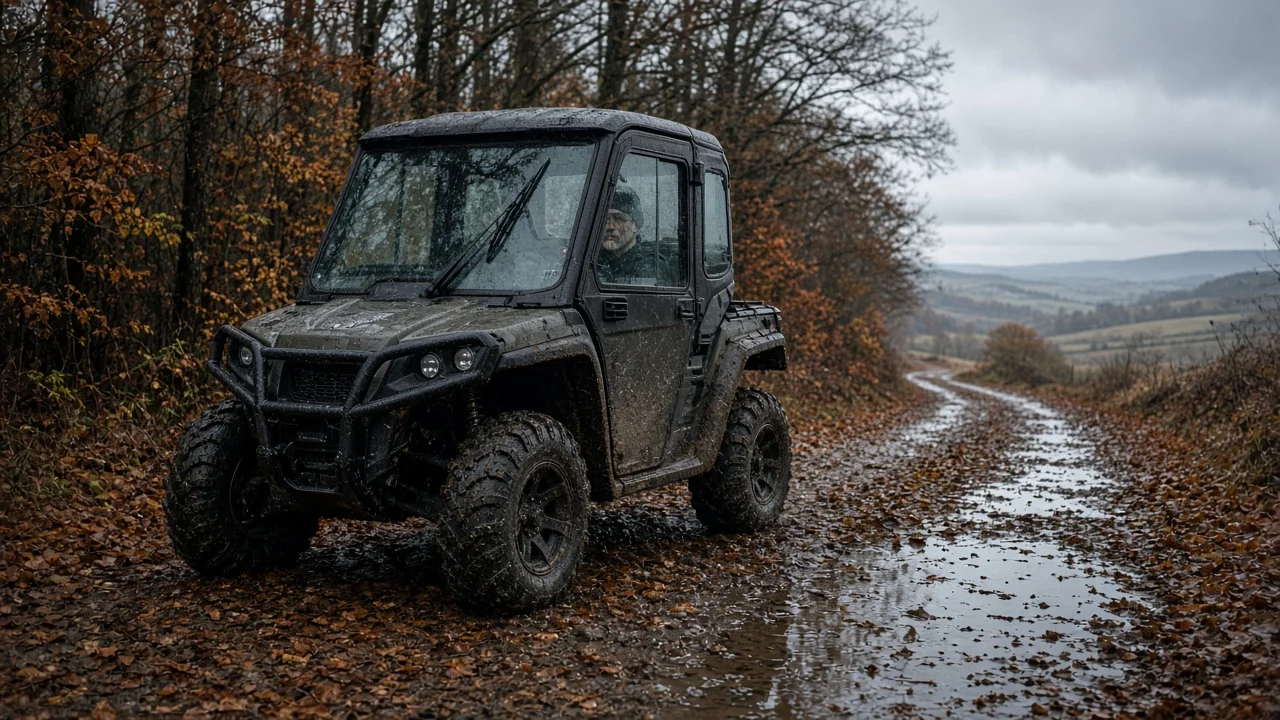
Partial protection for ATVs: windshields, hand guards or handlebar muffs, heated grips and heated or covered seats. These keep weight low and keep the rider free to move. Soft cab enclosures: fabric or vinyl panels with clear windows, usually on a side-by-side frame. They are lighter and often removable, but generally seal and insulate less well than hard panels. Hard cab enclosures: rigid roof, windshield, doors and rear panel, often in polycarbonate or glass. They shield better from wind and cold and can support heaters and wipers, at the cost of added weight and less ventilation. Partial cabs: a roof plus windshield, sometimes with a rear panel. These suit riders who want shelter from rain and wind but prefer open sides for visibility and quick exits.
Match the level of enclosure to the worst weather you ride in regularly, not the occasional extreme. A full hard cab adds the most comfort and the most compromise. A partial setup is often enough for mild rain or wind.
What to check before you commit
Fitment for your exact vehicle
Enclosure fitment is specific to make, model, model year and often trim. Cage shape, bed length and seating layout can differ within one model line. A kit listed for one year or trim may not fit another, so confirm the exact match with the seller or manufacturer before ordering. If you are buying a used machine with an enclosure already fitted, ask what kit it is and whether it was made for that vehicle or adapted.
Stability and added weight
Any enclosure adds weight, and much of it sits up high, which raises the center of gravity. On a side-by-side this mainly affects handling on slopes and payload margins. On an ATV it can significantly change how the machine responds to rider weight shifts. Check the vehicle's rated payload and the kit's weight from the manufacturer, and treat any cab on an ATV with particular caution on hills and side slopes.
Exhaust fumes and ventilation
An enclosed cab can draw exhaust gases inside, especially when idling, moving slowly or traveling with a tailwind. Carbon monoxide is odorless and dangerous. Ask how the enclosure handles airflow, whether it has vents or opening windows, and consider a carbon monoxide detector rated for vehicle use. Sealing gaps around the rear panel and floor can also matter.
Visibility, fogging and wipers
Clear panels can fog, scratch or distort the view, and a windshield without a wiper becomes hard to see through in rain or snow. Check whether a wiper, washer or defrost option is available, and what cleaning and scratch resistance the panel material offers. Hard-coated polycarbonate and glass generally resist scratching better than uncoated plastic or vinyl, but confirm the specific material with the seller.
Exit in an emergency
Doors and panels should open easily from inside, including when the vehicle is not level. Check how quickly you could get out after a tip-over and whether any panel could jam. A full enclosure with awkward latches is a safety trade-off, not just an inconvenience.
Heating and electrical load
Cab heaters, wipers, lights and heated accessories all draw power. Confirm whether the vehicle's charging system can support the accessories you plan to add, and whether a heater uses engine coolant or electric power. Coolant-type heaters typically need plumbing into the cooling system, which affects installation cost and complexity.
Transport and storage
Some enclosures, particularly soft ones, are not designed to stay on at highway speed while the vehicle is trailered. Ask whether the kit is rated for transport or must be removed. Also check whether the enclosed vehicle still fits your trailer, garage door or shed, since a cab can add height.
Warranty and rules
Ask whether fitting an aftermarket enclosure affects the vehicle's warranty, especially if installation involves drilling, wiring or cooling system changes. A manufacturer-branded accessory may be treated differently from a third-party kit. If you ride on public trails or roads, check whether local rules restrict enclosures, window materials or lighting.
Condition of a used enclosure
Cracks, crazing or cloudiness in clear panels; Worn or missing door seals and weatherstripping; Stress, cracks or corrosion around mounting points on the frame or cage; Water stains or rust inside the cab that suggest leaks; Working latches, hinges, wiper and heater, if fitted
Working out the real cost
No confirmed prices were available for this article, so compare offers yourself and check what each one actually includes. The enclosure kit is often only part of the cost. Installation labor, mounting hardware, a heater, wiper, wiring and any accessories needed to make the cab usable can add up.
Confirm the market, date and currency of any price you are comparing. Check whether a quote covers the full enclosure or only some panels, such as roof and windshield without doors. Ask whether installation, shipping and heater or wiper options are included. Treat advertised prices for used vehicles with enclosures as asking prices, not proof of value; completed sale prices are a better guide. Factor in ongoing costs such as replacement panels, seals and the effect of added weight on wear.
Choosing by use case
Plowing or slow winter chores where you stay seated: a side-by-side with a hard cab and heater is usually the most comfortable fit, provided ventilation and exits are sorted. Mixed seasons with frequent mild rain or wind: a partial cab or soft enclosure on a side-by-side gives shelter with less weight and easier removal. Trail riding or steep terrain where rider movement matters: an ATV with a windshield, hand guards and heated grips keeps the machine light and responsive. An existing utility ATV used mainly for plowing: an ATV cab can work, but check weight, stability on slopes and whether the kit is made for your exact model year.
Gaps to close before buying
This guide does not include model-specific weights, payload ratings, fitment lists, prices or test results, because no confirmed figures were available. Before deciding, get the enclosure's weight and fitment list from the manufacturer for your exact model year and trim, check the vehicle's payload and charging capacity, and get written quotes that list all included parts and labor.