Utah atv safety inspection
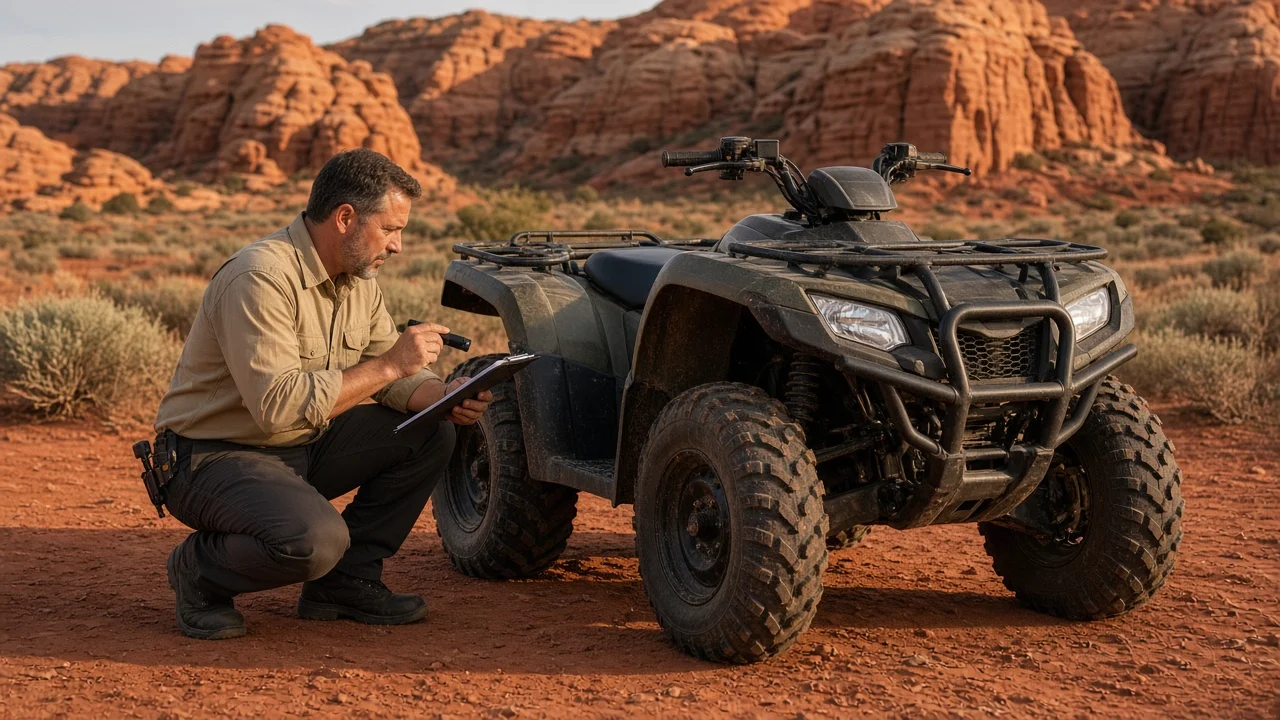
A Utah ATV safety inspection is a structured check focused on whether an off-highway vehicle meets basic equipment rules for use on approved public trails. Riders often ask about this when preparing for a trail trip, registering a machine, or buying a used quad. Unlike an emissions test, which measures tailpipe output, a safety inspection concentrates on visible damage, lighting, brakes, and mechanical security. It helps identify conditions that could cause loss of control. The result can confirm that a machine is ready for service, though it never guarantees future reliability or legal compliance on every land type.
Essential answer
The essential answer is that a Utah ATV safety inspection is an equipment-focused review used to determine whether an all-terrain vehicle is mechanically safe for organized trail use or public access. It is not a substitute for registration, insurance, or land-manager requirements, and it does not by itself create a universal operating permit. The scope typically covers items an owner can see or feel: tire condition, brake response, steering play, throttle return, rider controls, lights, and any loose parts that could fall off. A test certificate, when one is issued, simply documents that the listed items were checked on a particular date.
Because inspection criteria can vary by local program, dealer, or sponsoring club, the same machine may pass one review and require a retest elsewhere. Vehicle identification, especially the frame or manufacturer number, is often recorded so the inspection history stays with the correct unit. Many riders treat the event as a practical pre-ride audit rather than a legal definition of roadworthiness. A machine that fails usually needs only a correctable repair, such as tightening a cable or replacing a cracked lens, before a retest can be scheduled.