5 Seater ATV: What You Actually Need and What to Check Before Buying
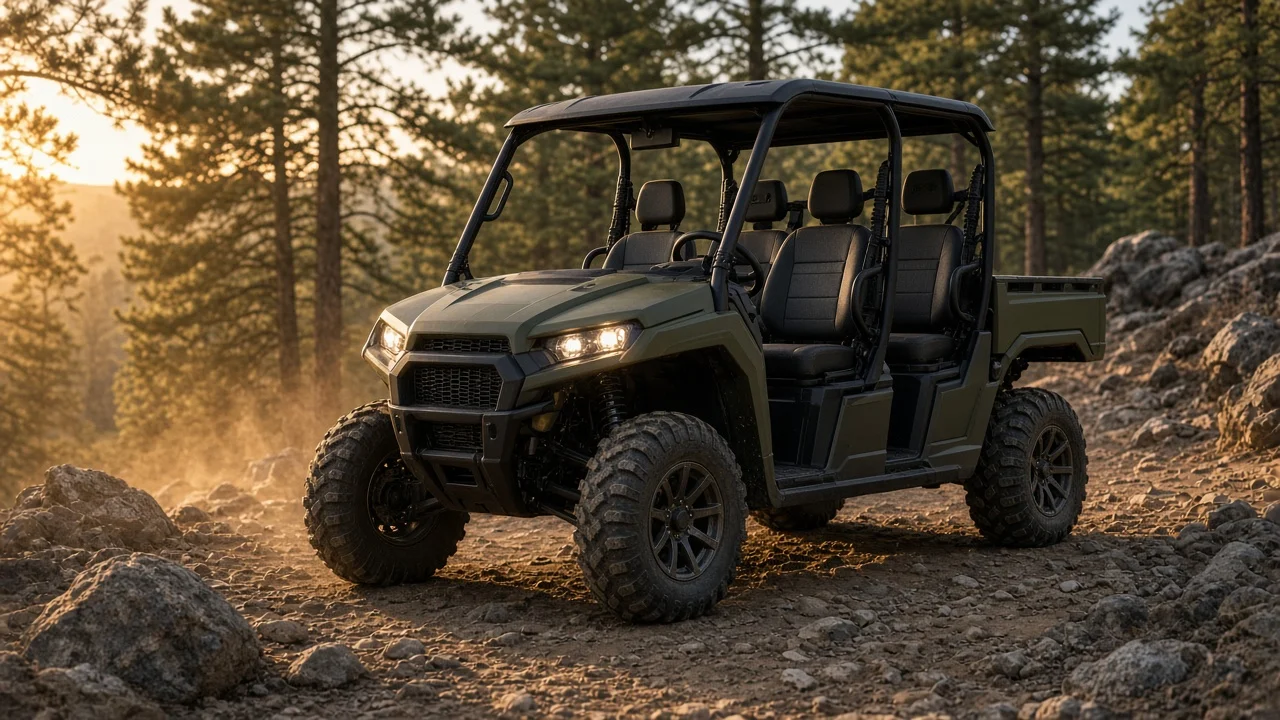
Short answer: a traditional ATV, with a straddle seat and handlebars, is not built to carry five people. Most ATVs are designed for one operator, and some are designed for an operator plus one passenger. If you need to move five people off-road, you are looking for a crew-cab side-by-side, also called a UTV (utility task vehicle) or ROV (recreational off-highway vehicle). One condition changes the shopping process: most crew side-by-sides seat either four or six, and layouts built for exactly five are uncommon. For a group of five, the practical choice is usually a six-seat model, used with one seat empty.
Why a True ATV Cannot Seat Five
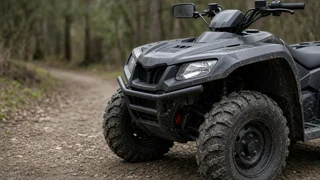
An ATV depends on the rider shifting their body weight to steer, climb and stay stable. Extra people on the seat block that movement and change the machine's balance. US industry practice reflects this. ATVs are classed as either single-rider machines or machines designed for an operator and one passenger. A two-up ATV has a dedicated raised passenger seat and handholds. No standard straddle-seat category exists for groups. Carrying more people than the machine is designed for is a leading misuse warning on ATV labels, and it is not something an accessory can fix.
What People Usually Mean by a 5 Seater ATV
A crew-cab side-by-side with two rows of seats, a steering wheel, pedals, seat belts and a rollover protective structure (ROPS), the cage that surrounds the occupants. A six-seat crew model with two bench rows of three, which can carry five with a spare seat. A four-seat crew model, which is one seat short and should not be pushed to five. A two-seat or three-seat side-by-side fitted with an aftermarket rear seat kit. This option needs the most scrutiny, because every occupant must have a proper belted seat inside the protective cage.
Seating Layouts Compared
Layout | Designed seating | Can it carry five? | Main trade-offs; Two-up straddle ATV | Operator plus one passenger | No | Agile and compact, but limited to two people; Two-seat side-by-side | 2 | No | Shortest, easiest to turn and transport; Three-across bench side-by-side | 3 | No | Fits a small group in a compact footprint, but the middle seat is tighter; Four-seat crew side-by-side | 4 | No | Long wheelbase, comfortable for four, one seat short for five; Six-seat crew side-by-side | 6 | Yes, with one seat free | Longest and heaviest, with the widest turning circle and the most demanding transport
Count Seats and Restraints, Not Marketing Claims
The number that matters is how many occupants the manufacturer designed the vehicle for. Each occupant needs their own seat, a working seat belt, a handhold, and room to keep both feet on the floor inside the cab. Bench rows can be snug for adults, so sit five full-size adults in the vehicle before buying if that is your typical group. If children will ride, follow the manufacturer's minimum age and size guidance. In general, a passenger must be able to sit back against the seat, wear the belt correctly, reach the floor with their feet and hold the handhold.
Load Capacity With Five on Board
Every side-by-side has a rated load capacity. This total usually includes occupants, cargo, accessories and trailer tongue weight. Five adults can use up a large share of that rating before you add coolers, gear or a roof and windshield. Add up your own group's realistic weight plus the gear you carry, then compare that total with the rating for the exact model year and trim you are considering. Running near the limit affects braking, suspension travel and stability on side slopes, so leave a margin.
Engine Configuration and Drive System
Crew models carry more weight than two-seat versions, so engine configuration matters more. That covers the number of cylinders, displacement, and whether the engine is naturally aspirated or turbocharged. Most side-by-sides use a CVT (continuously variable transmission), which uses a drive belt between two clutches. Heavy loads and steep climbs put extra strain on that belt, so look for a low range and use it when the vehicle is fully loaded.
For the drive system, the useful features for a loaded crew vehicle are selectable two-wheel and four-wheel drive, a front differential lock or automatic locking front differential for traction, and engine braking for controlled descents. Electric power steering is worth looking for on long-wheelbase models. It reduces steering effort, which becomes noticeable with a full cab on rough ground.
Size, Trails and Transport
A long wheelbase gives a steadier ride and better stability on climbs. The trade-offs are a larger turning circle, more difficulty on tight switchbacks, and a greater tendency to drag the underside on sharp crests. Some trail systems limit vehicle width or restrict certain vehicle classes, so check the rules for the areas you plan to ride before choosing a model. Also measure your trailer, garage and any truck you might haul with. A six-seat crew vehicle often needs a longer trailer than a two-seat model with the same name.
Riding Controls and Who Will Drive
Side-by-side riding controls look car-like: a steering wheel, accelerator and brake pedals, and a gear selector. The vehicle still behaves differently from a car, especially on slopes and loose surfaces. Minimum driver age and training requirements vary by state and sometimes by riding area. Check them if younger family members will drive. An adjustable driver seat and tilt steering help when several people of different sizes share driving duties.
Model Identification: Year, Trim and Cab Length
The same model name is often sold as both a two-seat and a crew version, across several trims and powertrains. Suspension, power steering, engine output, seat count and cab equipment can all differ between them. Specifications from one model year do not automatically carry over to another. When comparing listings, confirm the exact model year, trim, cab configuration and powertrain from the VIN and the specification sheet for that year. Do not rely on the model name alone.
Equipment Compatibility
Many accessories are specific to cab length. Roofs, windshields, doors, full cab enclosures, rear windows, storage racks and seat covers for a crew model generally will not fit the two-seat version, and the reverse is also true. Fitment can also change between model years or trims. Confirm compatibility for your exact vehicle before buying parts. Treat aftermarket rear seat kits with caution. A kit that places occupants outside the protective cage, or without a proper belt, does not make a vehicle a safe five-seater.
Service Specifications and Ownership Costs
Follow the service specification for your model year: oil and filter changes, air filter care, CVT belt inspection, coolant, driveline fluids and greasing points. Many owner's manuals list a shorter interval for severe use. Regularly carrying a full cab, towing or riding in dust or mud can count as severe use. A heavier vehicle with a full load also wears tires, brakes, suspension bushings and CV joints faster. Factor those parts, plus a spare drive belt, into your ownership budget.
Checks When Buying Used
Confirm the VIN on the frame matches the title or ownership documents and the seller's description of year, trim and seat count. Inspect the ROPS for bends, cracks, drilled holes or welding. Walk away from a damaged or modified cage. Test every seat belt for proper latching and retraction. Ask for service records, especially belt changes and fluid service. Check CV boots, axles, wheel bearings, ball joints and suspension bushings for wear or play. Look for signs of overloading or hard use, such as sagging suspension, cracked mounts or a heavily worn cargo bed. Test drive in both two-wheel and four-wheel drive and confirm the differential lock and engine braking work.
Title, Registration and Road Use
In the US, the rules for side-by-sides are set by each state. Depending on where you live, you may need a title, off-highway vehicle registration, trail permits or a combination of these. Whether a side-by-side can be used on public roads, and under what conditions, also varies widely. When buying or selling, complete the ownership transfer according to your state's requirements and confirm what paperwork the seller must provide before you pay.
Quick Decision Checklist
Do you regularly carry five people? If so, shop crew-cab side-by-sides, not ATVs. Does the vehicle have five or more factory seats, each with its own belt inside the cage? Does your group's weight plus gear fit comfortably within the rated load capacity? Is there enough power, low range and four-wheel-drive traction for loaded climbs? Will the vehicle's length and width suit your trails, trailer and storage? Have you confirmed the model year, trim and powertrain by VIN? Are accessories and parts available for that exact cab configuration? Do you know your state's title, registration and driver age rules?