4-Person ATV: What You Actually Need to Carry Four Riders Off-Road
The Short Answer
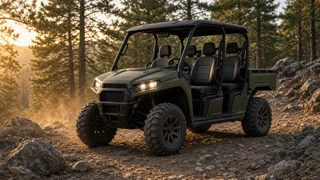
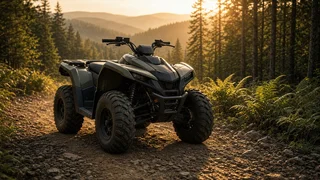
A traditional ATV, meaning a quad with a straddle seat and handlebar steering, is not built to carry four people. ATVs are designed either for a single rider or, in two-up models, for one operator and one passenger seated behind. If you need to move four people together off-road, the vehicle you are looking for is a four-seat side-by-side, also called a UTV (utility task vehicle) or ROV (recreational off-highway vehicle). These have car-style seats, a steering wheel, seat belts and a rollover protection structure. Most sellers and owners use "4 person ATV" loosely to mean exactly this type of machine.
One condition changes the answer: if you only need to carry two people at a time, a two-up ATV may suit you better than a larger side-by-side. And if your group can split up, two separate two-up ATVs can sometimes cover four riders while fitting trails a full-size four-seater cannot.
Why You Should Not Put Extra Riders on a Standard ATV
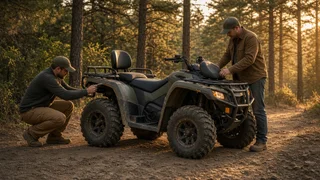
ATV handling depends on the rider shifting their body weight through turns and on slopes. Extra passengers block that movement, raise the center of gravity and overload the rear, which makes tipping and loss of steering control more likely. Manufacturer warning labels on single-rider ATVs state that passengers should never be carried, and two-up models are rated for one passenger only. Exceeding the stated seating capacity is a well-documented cause of serious ATV injuries, and it can also affect insurance coverage and liability after an accident.
ATV vs. Four-Seat Side-by-Side at a Glance
Feature | Two-up ATV | Four-seat side-by-side; Seating | Operator plus one passenger | Up to four occupants in two rows (some models seat more); Controls | Handlebars, thumb throttle | Steering wheel, foot pedals; Occupant protection | Rider is exposed; no seat belts | Seat belts and rollover protection structure, often with doors or nets; Riding style | Active, rider shifts weight | Seated, closer to driving a car; Trail access | Fits narrower ATV trails | Wider and longer; excluded from some width-restricted trails; Transport | Fits in many pickup beds or small trailers | Usually needs a dedicated trailer; Cargo | Racks front and rear | Cargo bed, though often smaller on four-seat versions
Decide Between Sport and Utility Four-Seaters
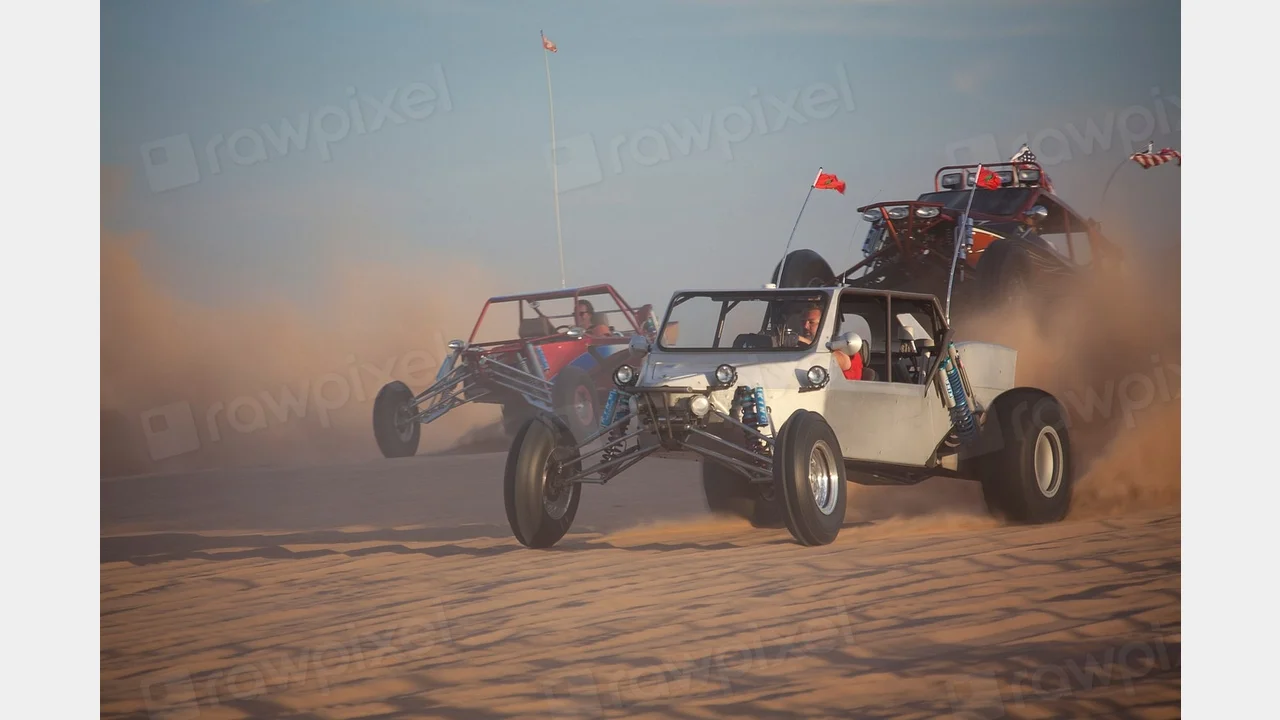
Four-seat side-by-sides generally fall into two groups. Sport or recreation models prioritize suspension travel, power and speed for trail riding and dunes. Utility models prioritize hauling, towing and comfort at lower speeds, which suits farms, hunting properties and job sites. Crossover models sit between the two. Knowing which group fits your use narrows the field quickly, because the two types differ in suspension, gearing, cargo capacity and ride comfort for rear passengers.
What to Check Before Buying
Rated seating capacity: confirm it on the vehicle's labels and owner documentation for that exact model year and trim, not from a listing description. Seat belts and occupant restraints: every seating position should have a working belt; check for doors, nets or other side protection, especially in the rear row. Rollover protection structure: inspect for bends, cracks, rewelds or aftermarket modifications, which can compromise its strength. Rear-seat space and comfort: sit in the back yourself; legroom, grab handles and ride quality vary considerably between models. Payload rating: four adults plus gear can approach or exceed the total load limit, so add up your real-world weight before committing. Engine and drivetrain: a longer, heavier four-seater needs adequate power and gearing; check for selectable four-wheel drive and differential lock if you ride in mud, snow or steep terrain. Dimensions and turning radius: the longer wheelbase improves stability but makes tight trails and switchbacks harder; compare overall width against the trails you plan to use. Cargo bed size: four-seat versions often trade bed space for the second row, which matters if you also haul equipment. Transport and storage: measure your trailer, garage or shed, since four-seaters are noticeably longer than two-seat versions.
Rules, Age Limits and Where You Can Ride
In the US, off-highway vehicle rules are set mostly at the state level and sometimes by individual trail systems or land managers. Requirements can cover registration, trail permits, minimum operator age, helmet use, safety training and whether passengers of a certain age may ride. Some areas allow side-by-sides on certain roads, while many do not permit street use at all. Check the rules for every state and trail network where you expect to ride before buying, because a vehicle that is too wide or lacks required equipment may be shut out of the places you had in mind.
Passenger age deserves particular attention with a four-seater, since families often buy them to bring children along. Manufacturers typically specify that every passenger must be able to sit with their back against the seat, feet flat on the floor and hands on the grab handles while wearing the seat belt. Children who cannot meet that standard should not ride, regardless of what local law permits.
Extra Checks for a Used Four-Seater
Verify the VIN matches the title or other ownership paperwork, and check how your state handles off-highway vehicle titles and registration transfer. Ask for the hour meter reading and maintenance records; hours can tell you more than odometer miles on these vehicles. Look under the vehicle for frame damage, skid plate gouges and signs of hard landings. Inspect CV boots, axles, ball joints and wheel bearings, which wear faster under heavy loads. Check the drive belt and clutch on CVT-equipped models for wear, glazing or slipping. Test-drive with as many passengers as you plan to carry, if possible, to judge power, braking and suspension under realistic load. Ask whether any performance or suspension modifications have been made, since these can affect reliability, warranty and trail legality.
Ownership Trade-Offs to Weigh
A four-seat side-by-side generally costs more to buy, insure and maintain than a two-up ATV, uses more fuel, and needs a larger trailer and storage space. In return, it lets a group or family ride together with seat belts and roll protection, carries gear more easily and is more comfortable over long days. If you would only fill all four seats occasionally, a two-seat side-by-side or a pair of two-up ATVs may give you more flexibility. If carrying four people is the main reason you are shopping, a purpose-built four-seater is the safe and practical choice.
Next Steps
Start by confirming how many people you will carry most of the time, what terrain you ride and which trails you plan to use, including their width limits and passenger rules. Then shortlist four-seat side-by-sides in the sport, utility or crossover group that matches that use, check each candidate's rated capacity and payload for the specific model year and trim, and sit in every seat before you buy.