Choosing an ATV for Off-Road Riding: What to Check Before You Buy
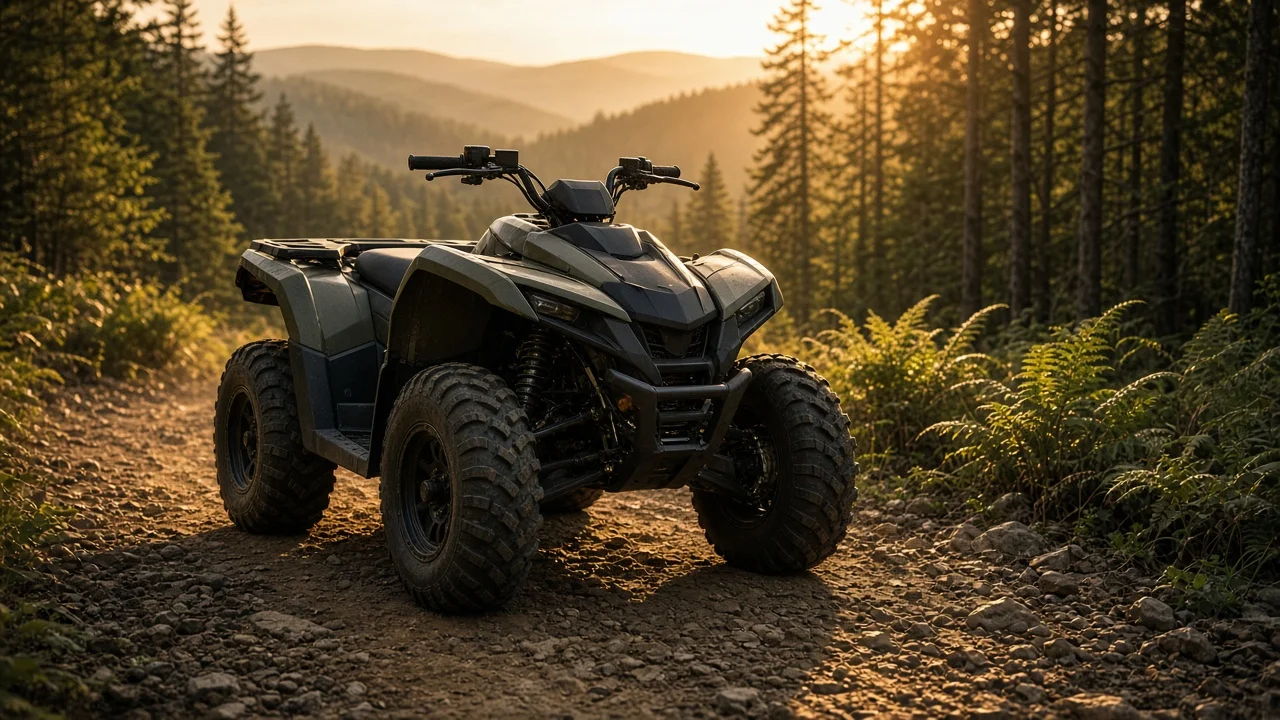
Most people shopping for an off-road ATV want one machine that handles trails, mud, hills and the occasional chore without feeling out of its depth. The right choice depends less on brand or engine size than on three things: where you will ride, who will ride it, and whether it will carry or tow loads. This guide explains what to check so you can narrow the field of off-road 4 wheelers to a short list that fits your use.
The short answer
For general trail riding over mixed terrain, a utility-style ATV with selectable two- and four-wheel drive, a lockable or limited-slip front differential, independent suspension and tires suited to your local ground is the most versatile choice for an adult rider. A lighter two-wheel-drive sport ATV makes more sense if you ride dunes, open desert or tracks and value agility over load capacity. If you want to carry a passenger side by side, need seat belts and a roll structure, or plan heavy hauling, look at a side-by-side (UTV) instead of an ATV.
Three conditions change this answer: a young or small rider needs a model sized and age-labeled for them; a passenger should only ride on an ATV designed and labeled for two people; and very specific terrain, such as deep mud or sand, may justify a more specialized machine or tire setup.
ATV, four-wheeler or side-by-side?
In the US, "ATV" and "four-wheeler" usually mean the same thing: a straddle-seat machine steered with handlebars and controlled partly by shifting body weight. A side-by-side, also called a UTV, has a bench or bucket seats, a steering wheel and usually a cargo bed. Off-road four wheelers are narrower and often lighter, so they fit tighter trails and are easier to trailer, but they demand more active riding and offer less protection in a rollover. Decide which category fits before comparing individual models.
Start with your terrain
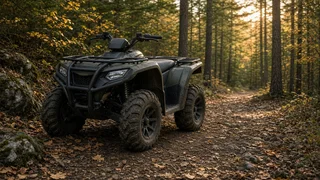
Terrain drives almost every other decision. Be honest about where you will ride most often, not where you might ride once a year.
Terrain | What matters most | Configuration that usually suits it; Wooded and rocky trails | Traction, ground clearance, underbody protection, maneuverability | Utility or crossover ATV with selectable 4WD, skid plates, all-terrain tires; Mud and wet clay | Clearance, sealed electrics, raised air intake, tread that clears itself | 4WD with front differential lock, mud-pattern tires, snorkel or high intake; Sand dunes and open desert | Power-to-weight, suspension travel, flotation | Lightweight sport ATV, paddle tires on the rear for dunes; Steep hills and mountain trails | Engine braking, reliable brakes, stable weight distribution | 4WD utility ATV with engine braking and a low range; Farm, ranch and property work | Racks, towing, low-speed control, durability | Utility ATV with hitch, rated racks, low range, optional winch
Drive configuration and traction
Drive configuration describes which wheels receive power and how. Two-wheel drive sends power to the rear wheels only; it is lighter and steers more easily, but loses traction quickly on loose climbs and mud. Selectable 4WD lets you run in 2WD on hard ground and engage the front wheels when traction drops, which is the most useful layout for mixed trail riding.
The front differential matters as much as the 4WD label. An open differential sends power to the wheel with the least grip, so one spinning wheel can stall you. Limited-slip and torque-sensing designs shift power toward the wheel with grip automatically. A selectable locking differential forces both front wheels to turn together, which gives maximum traction in mud and rocks but makes steering heavy, so it is meant for short, difficult sections. Manufacturers use different names for these systems, so check how a given model actually behaves rather than relying on the marketing term.
Related features worth checking:
Low range: a lower gear set for crawling, climbing and towing; useful on steep or technical terrain. Engine braking: helps control speed on descents without relying solely on the brakes. Transmission type: most utility ATVs use an automatic belt-driven CVT; sport models more often use a manual gearbox. CVT belts are a wear item, and riding in deep water or mud raises the need for belt maintenance. Electric power steering: reduces steering effort and kickback, especially in 4WD with a locked differential and on larger machines.
Ground clearance and suspension
Ground clearance is the distance between the ground and the lowest point of the chassis. More clearance helps over rocks, logs and ruts, but it also raises the center of gravity, which affects stability on side slopes. Manufacturers do not always measure clearance at the same point or under the same load, so treat small differences between brands with caution and look at what hangs lowest: skid plates, frame rails or suspension arms.
Independent rear suspension lets each rear wheel move on its own, improving comfort and traction on uneven ground; many utility ATVs use it. A solid rear axle is simpler, often lighter and tends to keep clearance more consistent under the frame, which some riders prefer for rocky or sport use. Adjustable shocks, for preload or damping, help if you carry loads or ride aggressively.
Tire specification
Tires often make more difference to off-road ability than horsepower. ATV tire sizes are usually written as overall height by section width followed by rim diameter, all in inches. When you compare machines or replacement tires, check:
Tread pattern: all-terrain tread for mixed trails, deep and widely spaced lugs for mud, paddles for sand. Ply or load rating: higher ratings resist punctures from rocks and stumps but add weight and stiffness. Size changes: taller tires add clearance but change gearing, steering effort and stress on axles and CV joints; confirm fitment for the specific model year. Condition on a used machine: uneven wear can point to alignment or suspension problems, and the DOT date code shows when the tire was made, since old rubber can crack even with deep tread.
Fit the machine to the rider
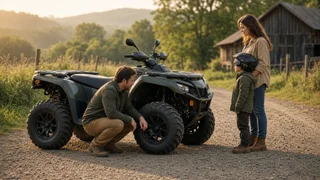
An ATV that is too large or powerful for its rider is harder to control and to recover from mistakes on. Riders should be able to reach the controls comfortably, stand on the footrests with knees bent and shift their weight freely. Youth ATVs carry manufacturer age recommendations on a label; follow it rather than buying a bigger machine for a child to grow into. For adults, more engine is not automatically better: a midsize utility ATV often handles trail riding well and is lighter to manage and cheaper to run than the largest models.
Most ATVs are designed for a single rider. If you want to carry a passenger, choose a model specifically built and labeled for two-up riding, with a raised rear seat and passenger handholds.
Recovery points and protective equipment
Off-road riding eventually involves getting stuck. Check that the ATV has solid recovery points, meaning frame-mounted places to attach a strap or winch line at the front and rear, and that a winch mount is available if one is not fitted. Never use racks, bumpers or suspension parts as anchor points unless the manufacturer rates them for that.
Skid plates protecting the frame, engine and suspension arms. A-arm and CV boot guards if you ride in rocks. Rack and towing capacities listed in the owner's manual, which you should stay within. Hand guards, lighting and a mounting point for a tow strap. A raised or sealed air intake if you cross water regularly.
What to check before buying
Whether new or used, confirm the exact model year, trim and powertrain of any machine you are considering. Features such as power steering, differential type and suspension can vary by trim within the same model name, and specifications change between years.
Used ATV inspection
Paperwork: match the VIN on the frame to the title or bill of sale; title and registration rules vary by state, so check yours before buying. Cold start: ask to see the engine start from cold and listen for knocking or rough running. Hour meter and odometer: compare usage with the overall wear you see. Water exposure: look for water or milky residue in the air box, oil and differential fluid, and corrosion on electrical connectors. CV boots and axles: torn boots let in dirt and lead to joint failure. Wheel bearings, ball joints and tie rods: lift each wheel and check for play. Frame and welds: look for cracks, bends or repair welds, particularly around suspension mounts. Brakes, belt and drive engagement: test 2WD, 4WD and the differential lock on loose ground, and check that the CVT engages smoothly without slipping. Modifications: lift kits, oversized tires and engine changes can add stress and may not be reversible.
Total cost of ownership
The purchase price is only part of the cost. When comparing quotes, ask for an out-the-door figure in writing and note the date, since advertised prices often exclude dealer freight, setup and documentation fees, as well as taxes. Asking prices on used listings are not the same as what machines actually sell for. Budget separately for:
Riding gear, at minimum a DOT-compliant helmet, eye protection, gloves, boots and long sleeves and pants. A trailer or truck capable of transporting the ATV. Registration, trail permits and insurance where required. Routine maintenance: oil, filters, differential fluids, CVT belts, brake pads and tires. Accessories such as a winch, skid plates and storage.
Comparing models fairly
Spec sheets are useful only when the figures are comparable. Check whether weight is listed dry or with fluids, whether ground clearance is measured with or without a rider, and whether horsepower or towing figures come from the same type of testing. Compare the same model year and trim levels, and prioritize the features your terrain needs over headline numbers.
Recommendations by use case
Mixed trail riding for one adult: a midsize to large utility ATV with selectable 4WD, a limited-slip or locking front differential, power steering if available and all-terrain tires. Mud-focused riding: prioritize clearance, a differential lock, a high air intake and mud tires; plan for more frequent maintenance. Dunes and open desert for experienced riders: a lightweight sport ATV with long-travel suspension and sand tires. Work on property plus weekend trails: a utility ATV with a low range, rated racks, a hitch and a winch. Riding with a passenger: a two-up ATV model, or a side-by-side if comfort and occupant protection matter more. Young or new riders: a smaller, age-appropriate model and a rider training course before tackling difficult terrain.
Next step
Write down your main terrain, the rider or riders, and whether you will carry loads or a passenger. Use that list to shortlist two or three models in the right category, confirm the trim-level features and out-the-door prices with dealers, and test ride on loose ground if you can. For a used machine, carry out the inspection above before negotiating, and walk away from any ATV with signs of water damage, frame repairs or paperwork that does not match.