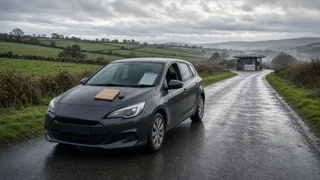
Driving from Ireland into Northern Ireland
Crossing the land border between Ireland and Northern Ireland is a routine road trip, but the change in jurisdiction affects more than the scenery. Drivers moving across this route segment encounter different road classifications, traffic signs, speed-limit units, and access restrictions at the boundary. The transition is usually unmarked beyond a change in sign style and pavement markings, yet it changes which rules apply. Understanding the lane layout, travel conditions, and legal context helps drivers anticipate the shift from Irish national roads to Northern Ireland roads without unnecessary stops or confusion.
Essential answer
The essential answer is that driving into Northern Ireland from Ireland is a normal cross-border road movement with no routine border checkpoint for private cars. The route segment functions as a continuous public road, so drivers typically notice the crossing only when road markings and traffic signs change from Irish to UK formats. Speed limits switch from kilometres per hour to miles per hour, and sign shapes, warning symbols, and directional panels follow Northern Ireland standards rather than those used in the Republic.
What makes the crossing materially different is the legal and administrative shift. A vehicle registered in Ireland can generally be driven across the boundary, but the driver is then operating under UK road traffic law. Insurance, driving licence recognition, and vehicle roadworthiness expectations continue under their existing validity for ordinary visits. Access restrictions may apply to specific vehicle classes or commercial operations, so the direct answer is that private car travel is straightforward, while the surrounding rules and road environment change at the border.