Driveshaft Spins but Car Doesn't Move: Causes
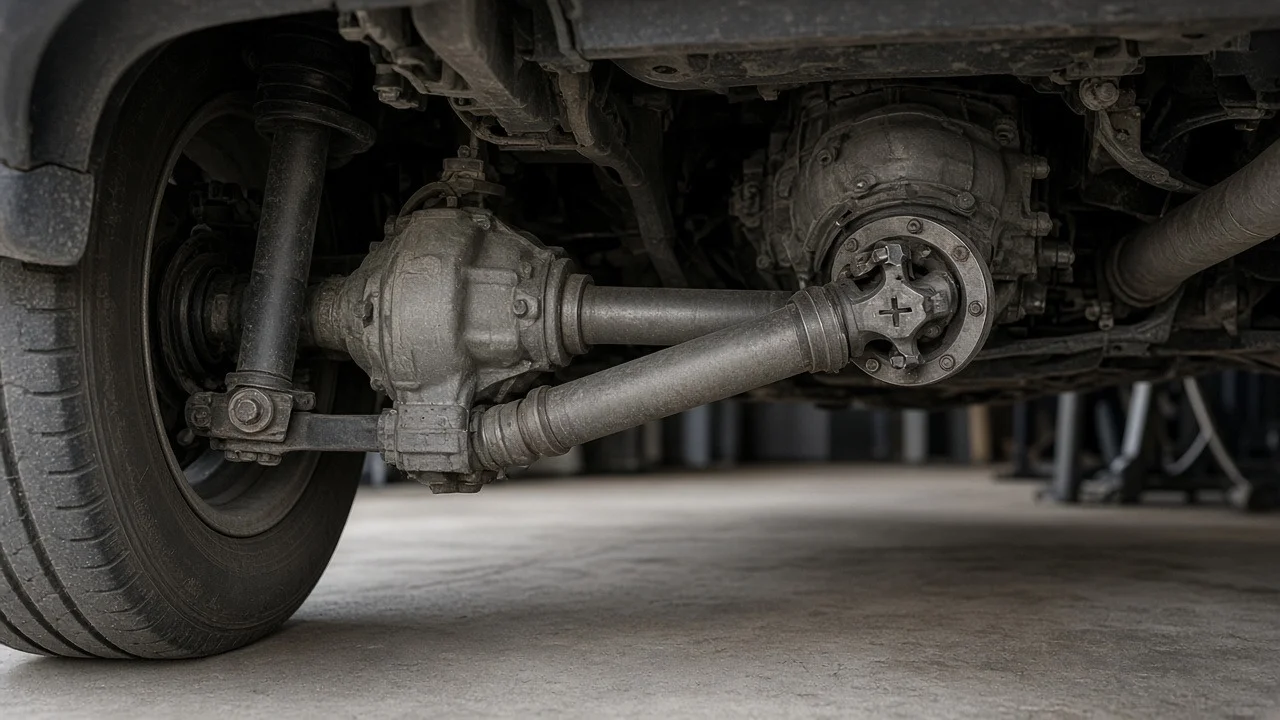
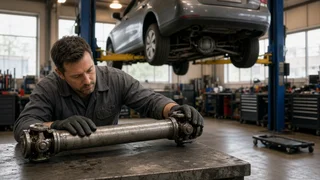
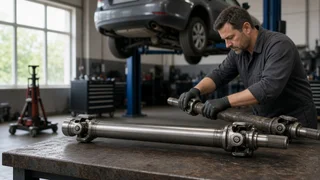
When a driveshaft spins but the car doesn't move, the symptom points to a break in torque transfer between the rotating propeller shaft and the wheels that should respond. Observing shaft rotation during a no-move condition narrows the fault away from a completely dead transmission output and toward the driveline, axle, hub, or differential path. The exact cause depends on drivetrain layout and where motion stops. This overview explains plausible mechanical failures, how the components interact, and why a rotating shaft can still leave the vehicle stationary.
Essential answer
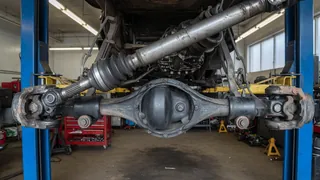
A driveshaft that turns while the vehicle remains stationary usually means power is reaching part of the driveline but failing at a downstream connection or torque path. Common candidates include a broken axle shaft, a stripped differential side gear or spider gear, a failed hub spline, a broken CV joint, or a transfer case or final drive that has lost engagement. On some vehicles, the rotating shaft may simply be freewheeling because the transmission is in gear but the output flange or coupler has separated.
The observation is a useful diagnostic clue rather than a complete diagnosis. If one rear axle shaft is fractured, for example, an open differential can send rotation toward the path of least resistance, allowing the driveshaft to spin while the wheel with traction receives little torque. A limited-slip or locked differential can change that behavior. Likewise, a stripped wheel hub spline may let the axle turn inside the hub without moving the road wheel. Confirming where rotation stops—diff, axle, hub, or wheel—helps separate a driveshaft or universal joint concern from a final drive or axle problem before parts are replaced.