Draw-Tite T-connector trailer wiring harness
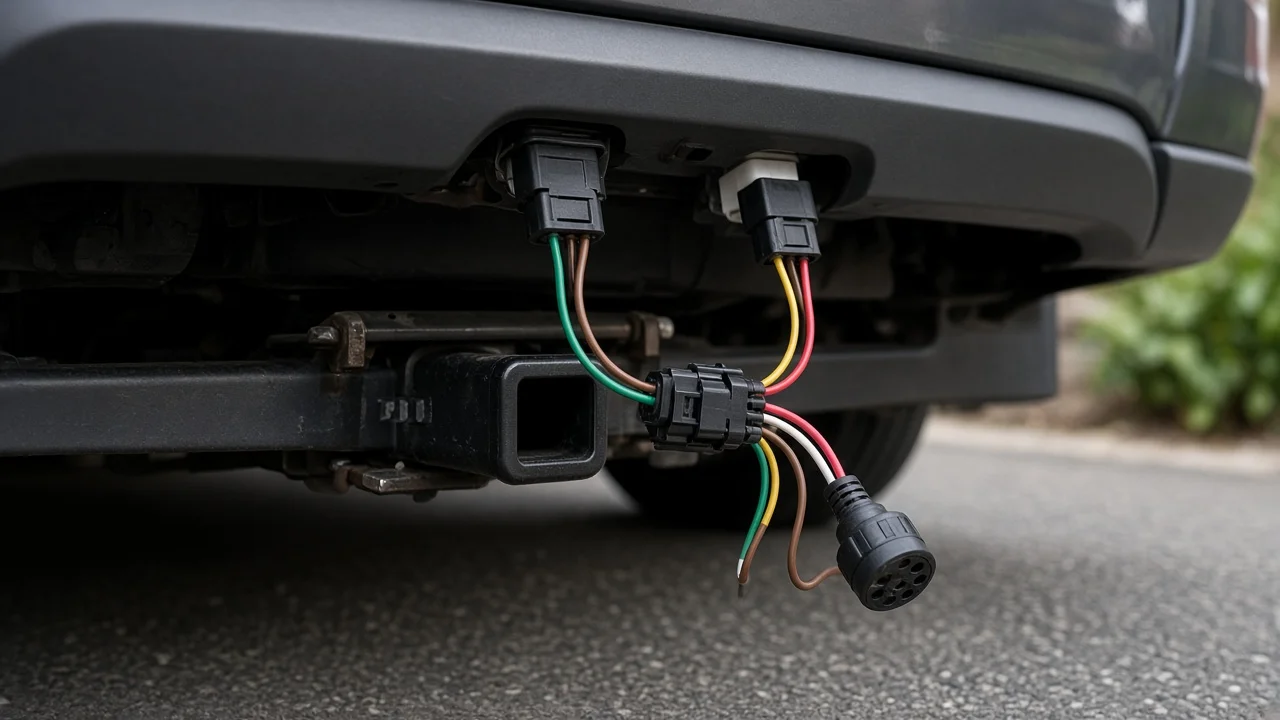
Choosing a Draw-Tite T-connector trailer wiring harness comes down to matching the plug-and-play vehicle side connector to the tow vehicle, the trailer lighting circuit, and the expected electrical load. A T-connector avoids cutting or splicing by inserting into an existing factory connector, but fitment still depends on the vehicle's body style, factory tow package, and the harness version. This guide explains what to check so the harness delivers reliable stop, turn, tail, and auxiliary power without creating a voltage drop or a parasitic draw.
The direct answer
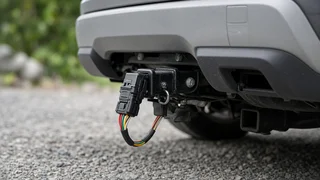
When selecting a Draw-Tite T-connector trailer wiring harness, the immediate answer is to confirm the harness is listed for the exact year, make, model, and bed or body configuration of the tow vehicle. Draw-Tite T-connector trailer wiring harnesses are often sold by vehicle application because the inline connector must match a specific factory plug location behind a taillight, bumper, or interior trim panel. Buying by application reduces the chance of getting a harness with the wrong connector shape, circuit arrangement, or wire length even when the brand name is correct.
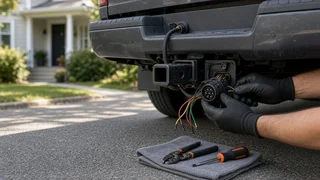
The next condition is the vehicle's existing tow package or factory trailer prep. Some trucks and SUVs already include a trailer connector and only need an adapter, while others need the full T-connector to gain a dedicated trailer lighting output. Because the harness taps into the vehicle circuitry rather than replacing it, the converter box or module included with some versions protects the tow vehicle lighting system from trailer faults. A vehicle-specific check of the connector location and the trailer's electrical requirements is the most useful purchase step before ordering.