How to Replace a Trailer Wiring Connector
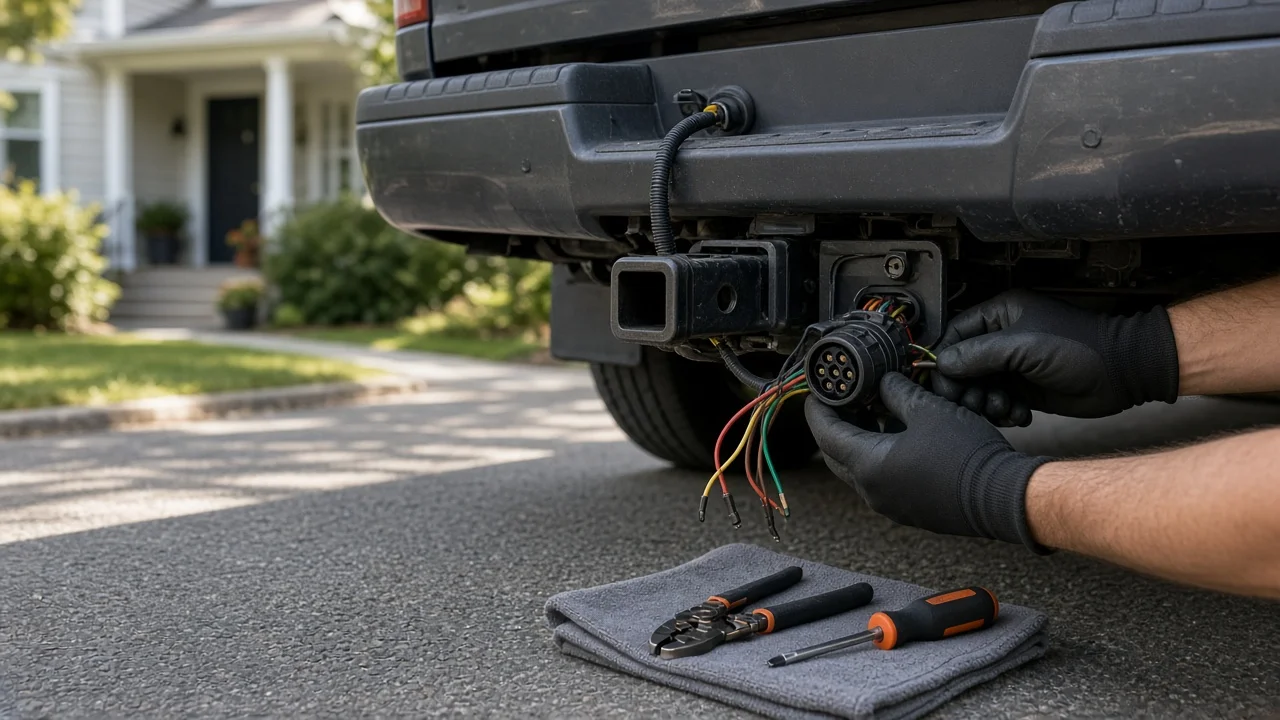
A worn or corroded trailer wiring connector can cause unreliable brake lights, turn signals, or running lights even when the tow vehicle’s electrical system is healthy. Replacing the connector restores a dependable connection between the tow vehicle and trailer. The job usually involves choosing a compatible connector style, removing the old housing, and splicing or attaching the new terminals to the existing wires. Before starting, inspect the wiring and connector location so the repair addresses the actual fault rather than simply moving a poor connection to a new plug.
Direct answer
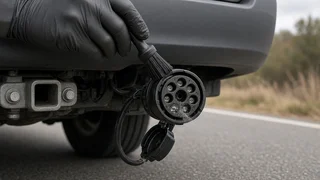
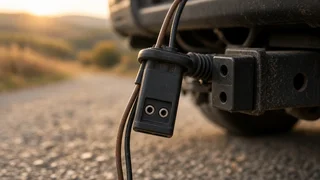
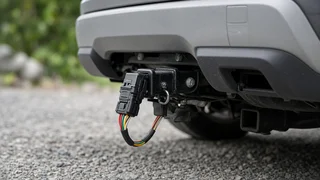
Replacing a trailer wiring connector means removing the damaged plug or socket and installing a new connector of the same circuit configuration. The essential answer is to match the new connector’s function to the trailer’s wiring and the tow vehicle receptacle, then make clean, weather-resistant connections on each conductor. A replacement is appropriate when the housing is cracked, pins are bent or corroded, or the plug no longer seats securely, producing intermittent lighting faults.
The condition that materially changes the work is the connector style and the number of circuits. A flat four-way uses combined stop and turn signals, while a seven-way adds separate circuits such as reverse, auxiliary power, and trailer brakes. The vehicle side and trailer side are not interchangeable. Confirm the terminal layout before cutting, because using the wrong connector can produce dim lights, blown fuses, or confusing voltage behavior at the new plug.
How to proceed
Begin by disconnecting the trailer from the tow vehicle and inspecting the existing cable for cracked insulation, green corrosion, or damaged terminals. Remove the old connector by cutting the cable behind the damaged area or by releasing the terminal locks if the housing is serviceable. Strip only enough insulation to fit the new terminals or butt connectors, and identify each wire by its function rather than color alone, because trailer-side wire colors can vary.
Assemble the new connector according to its terminal diagram, keeping the ground wire clean and fastened to a bare metal surface. Route the cable so it will not drag or bind on the hitch, and support it with clips or loom where movement could strain the splices. Before towing, plug the connector into the vehicle and verify brake lights, left and right turn signals, tail lights, and any reverse or auxiliary circuits. If a function is missing, check the tow vehicle fuse, ground connection, and terminal seating before repeating the test.