Trailer wiring connector cleaner
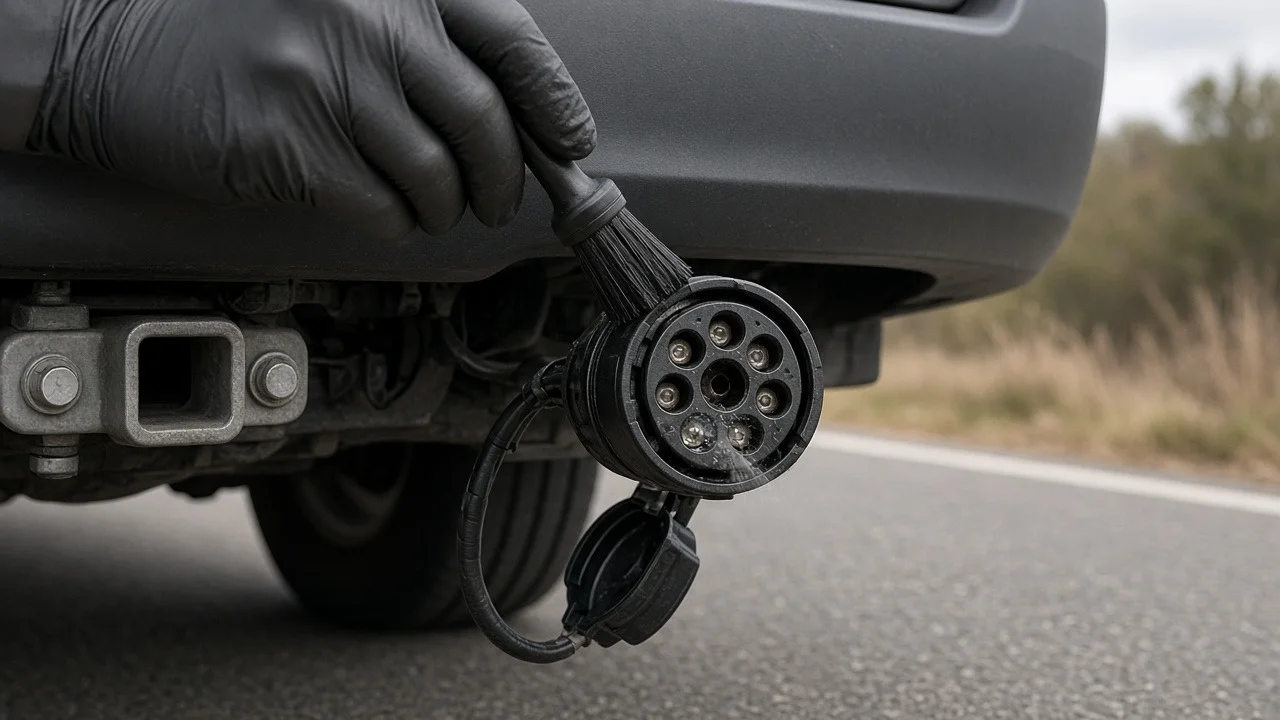
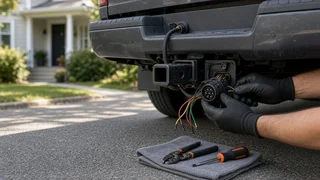
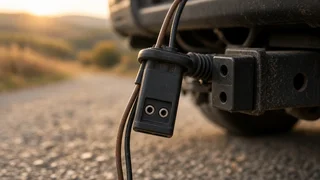
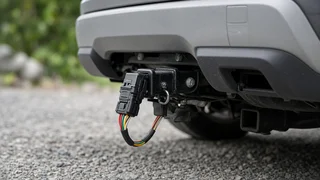
A corroded trailer plug can make brake lights flicker, turn signals fail, or a trailer battery lose its charging output even when the tow vehicle tests fine. The connector sits in road spray, salt, and moisture, so oxidation and grime raise resistance across the mating pins. A trailer wiring connector cleaner removes that contamination, helping maintain system voltage and reducing voltage drop from the vehicle socket to the trailer harness. Understanding when to clean, what a product actually does, and when a deeper fault exists keeps trailer lighting predictable.
Essential answer
A trailer wiring connector cleaner is a spray or liquid made to dissolve oxidation, flush away debris, and prepare the metal terminals inside a plug and socket for reliable contact. It is useful on the small pins found in four-flat, five-pin, six-pin, and seven-way round connectors, where corrosion can hide inside tight cavities. The primary goal is not to make the plastic shiny but to restore a low-resistance electrical path for running lamps, brake lights, turn signals, and electric trailer brake circuits. A film of sulfation or road grime can pass a quick visual check while still blocking current under load.
The cleaner category can include fast-drying contact cleaners, deoxidizing sprays, and protectants such as dielectric grease. A contact cleaner removes oil and loose contamination, a deoxidizer targets green or black corrosion on copper or brass, and a protectant seals the surface after cleaning. They are not interchangeable steps, because a cleaner alone leaves the metal exposed and a grease alone can trap dirt against the terminals. The essential answer is that cleaning restores the junction, while a thin protective film afterward slows the return of moisture-related resistance.