Hopkins Trailer Wiring Harness and Connector
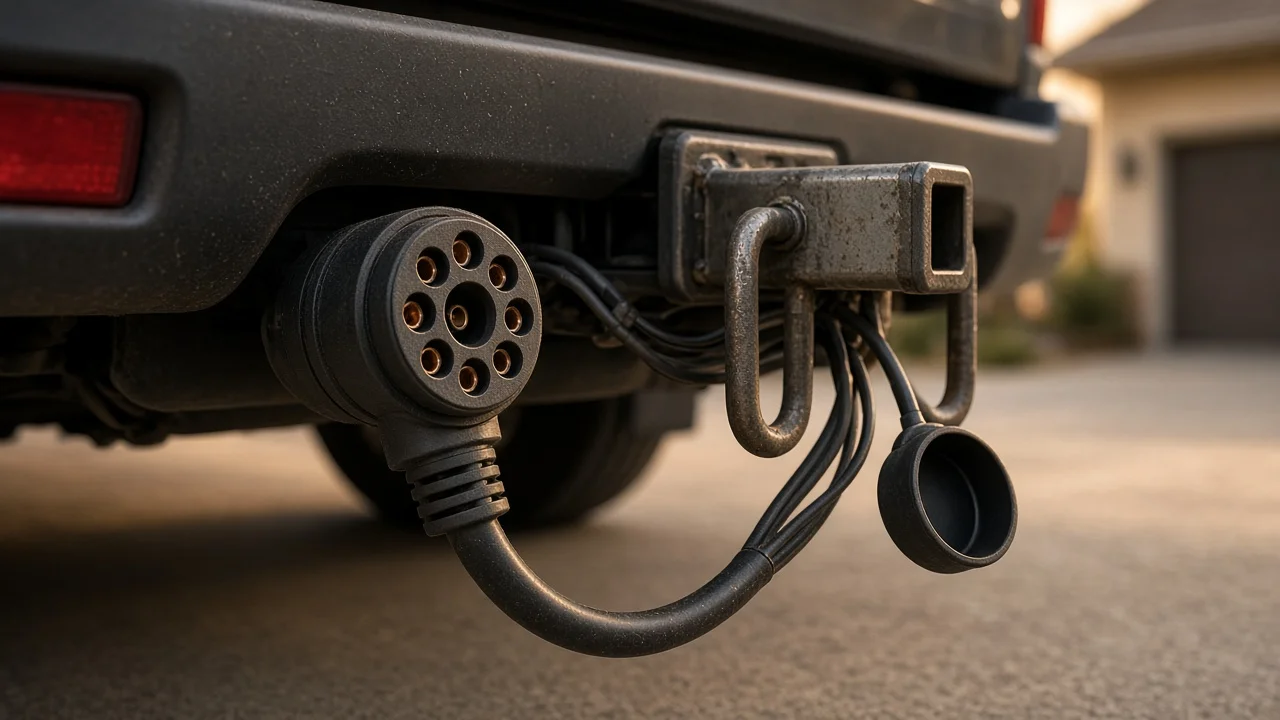
Choosing a Hopkins trailer wiring harness and connector starts with matching the tow vehicle’s electrical architecture to the trailer’s lighting and braking needs. A harness that fits cleanly reduces the chance of voltage drop, blown fuses, or intermittent trailer lights. The right connector also makes installation simpler and preserves the truck or SUV wiring. The following sections explain what to check when comparing kits, how system voltage and charging output affect performance, and when a vehicle-specific confirmation is the practical next step.
The direct answer
The direct answer is that a Hopkins trailer wiring harness and connector is a vehicle-side interface that converts a tow vehicle’s separate turn, brake, and tail circuits into a standardized trailer plug. The material choice depends on the vehicle’s existing electrical layout, the trailer connector type, and whether the system uses a direct battery feed or a powered converter. A kit should include enough protected wire length to reach the hitch without stretching or chafing against sharp body edges.
Before buying, confirm the tow vehicle’s system voltage and the trailer’s expected charging output requirements. On most light-duty trucks and SUVs, the harness carries 12-volt lighting signals and may include a 12-volt auxiliary feed for trailer battery charging. The fuse rating in the harness protects the circuit from overload if a trailer wire shorts. A wiring diagram for the specific model year helps identify whether the vehicle uses separate or combined brake and turn signals, because that determines whether a powered converter is necessary.