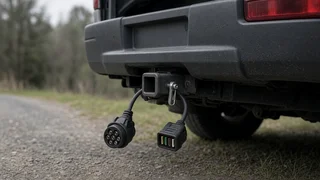
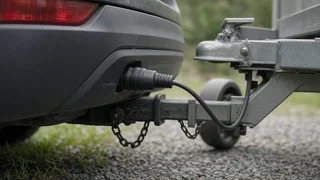
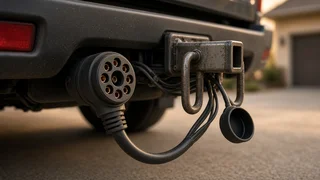
Hopkins 7-Way Trailer Connector Wiring Diagram
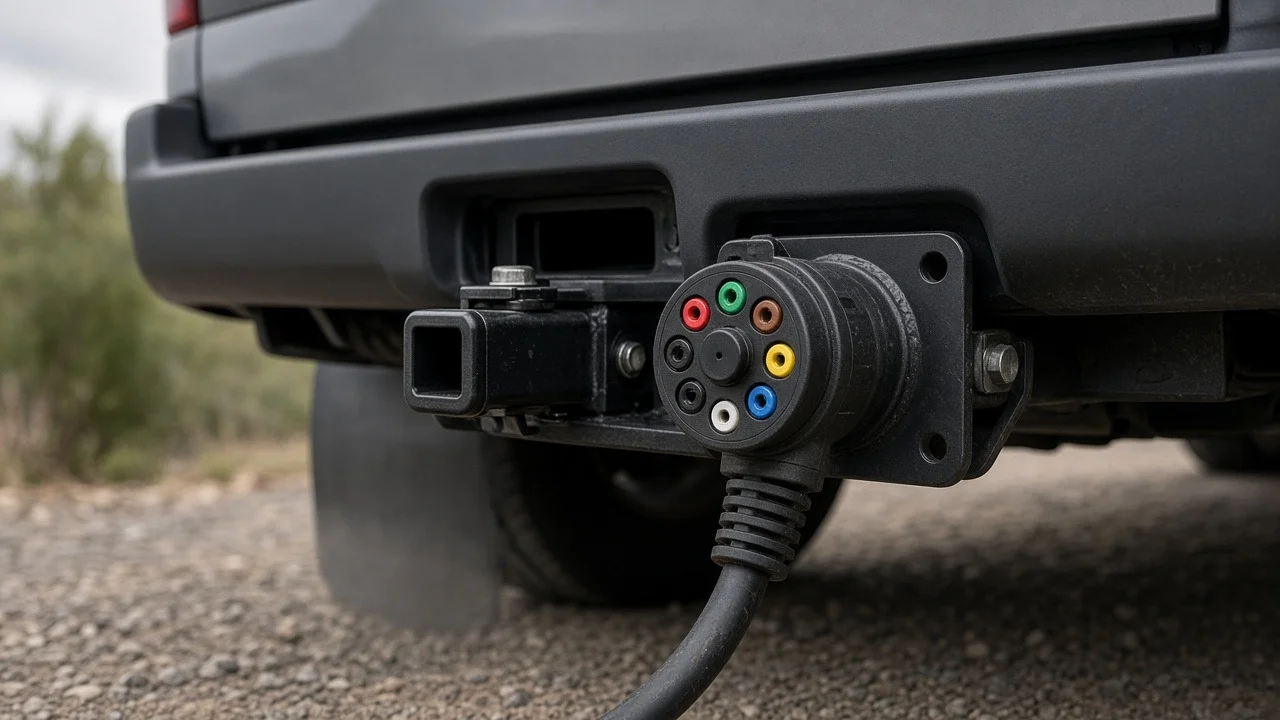
A Hopkins 7-way trailer connector wiring diagram maps the standard round blade-style socket used on many US trailers and tow vehicles. Whether you are working from a Hopkins 7 blade trailer connector wiring diagram or a Hopkins 7 pin trailer connector wiring diagram, the goal is the same: identify each terminal by function so lighting and braking signals work correctly. The 7-way layout supports tail lights, turn signals, ground, electric brakes, reverse, and a 12-volt supply. Reading the pin positions carefully prevents crossed circuits that can create dangerous lighting behavior or trailer brake faults.
Essential answer
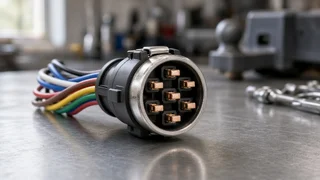
A Hopkins 7-way connector diagram is a terminal map for the round blade configuration found on heavier trailers. Each blade has a distinct clock position when you look at the socket face, so a chart shows which position feeds tail lamps, left turn, right turn, ground, electric brakes, reverse lamps, and auxiliary power. The blade design differs from the flat four-pin connector because it adds heavier contacts for brakes and 12-volt charging circuits. Understanding the diagram means you can confirm that the tow vehicle socket and trailer plug match rather than relying on wire color alone, which can vary between builds.
When tracing the diagram, start with the ground terminal because a poor chassis return produces confusing symptoms. For example, a weak ground may let brake lights glow while the tail light circuit is on, since current seeks another path through the bulb filaments. The electric brake terminal and the auxiliary power pin also require a compatible fuse rating to handle current and charging output without voltage drop. If you measure system voltage at the battery terminals but lower voltage at the trailer plug, a connector terminal or wire segment has resistance that the diagram helps you isolate. Manufacturer wiring conventions can differ, so vehicle-specific confirmation remains important.