Dragging Clutch in a Manual Transmission

A dragging clutch in a manual transmission creates a serious driveability problem: the clutch does not fully release when the pedal is pressed. The input shaft keeps spinning, so gear changes become difficult and the vehicle may creep while stopped in gear. Understanding the difference between this condition and normal clutch wear helps you interpret shift behavior and choose a realistic repair path. The cause is usually hydraulic, mechanical, or contamination-related, and the correct diagnosis depends on the transmission type, fluid specification, service history, and the specific symptoms present.
Essential answer
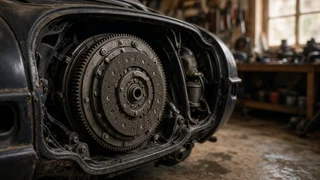
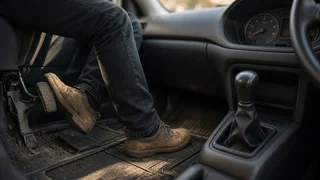
The essential answer is that a dragging clutch happens when the friction disc remains partially engaged with the flywheel or pressure plate even after full pedal travel. This means engine torque is still reaching the transmission input shaft. In practice, the driver notices resistance when selecting first or reverse at a stop, a grind during upshifts or downshifts, or the car trying to move with the pedal held down and the shifter in gear. Because the release system is not creating enough clearance, the disc cannot spin freely.
The scope of the problem includes several separate mechanisms that produce the same symptom. A hydraulic fault, such as air in the line or a failing master or slave cylinder, may not move the release bearing far enough. A mechanical issue, such as a warped disc or a failing pilot bearing, can keep the input shaft turning even when the pressure plate is lifted. Contaminated fluid or the wrong fluid specification can also cause the disc to stick, so vehicle-specific confirmation and a review of service history are important before replacing parts.