Diagnose low fuel rail pressure while cranking
A low fuel rail pressure reading during cranking on bank 1 points to a fueling shortfall before or at the injectors, not a normal warm-up delay. The engine control module expects sustained pressure to begin a reliable injector pulse and start sequence. When pressure remains below the target while the starter spins, the system cannot deliver a stable spray pattern. Common influences include the fuel pump, filter, pressure regulator, line restrictions, and the rail pressure sensor. Interpreting this symptom requires separating sensor evidence from actual hydraulic faults.
Relevant entries
The useful starting points are the fuel pump, fuel filter, and fuel pressure regulator because they control whether the rail can hold enough pressure during cranking. A weak pump may spin but fail to build volume against the closed injectors. A restricted filter can act like a kink in the supply line, especially when the pump is working hardest during the first moments of starting.
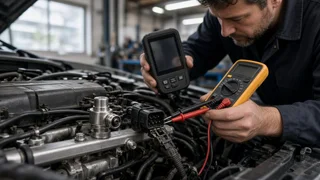
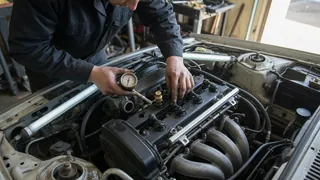
A rail pressure sensor or wiring fault can also produce the same low-pressure message without a real hydraulic failure. For bank 1, the diagnostic value is that the code localizes the observed deficiency to that cylinder bank rather than proving the injectors themselves are faulty. Compare the sensor value with a mechanical gauge reading before condemning components. The goal is to find the interruption in supply, return, or measurement.
Symptoms and checks
The symptom is often a crank-no-start or an extended crank with the engine only catching when pressure finally rises enough to fire the injector spray. During cranking, the injector pulse width may increase to compensate for poor rail pressure, and fuel trim can shift noticeably once the engine runs. Listen for a fuel pump that primes briefly but does not hold pressure after the key is released.
Use a leak check to see whether residual rail pressure drops quickly after the pump stops. This can indicate an injector allowing fuel past its seat, a regulator leak, or a check valve problem at the pump. Isolating the leak point helps prevent unnecessary replacement. A vehicle-specific scan tool should be used to read the pressure sensor data because manufacturer-dependent codes and sensor scaling vary, and one reading alone does not confirm the exact failed part.