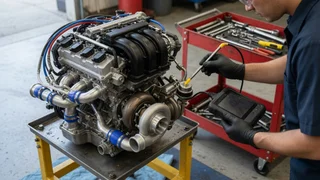
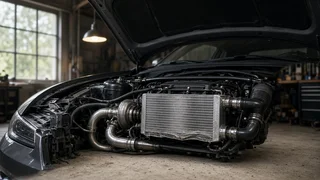
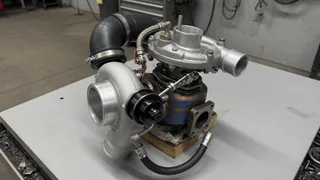
Diagnose GM 1.4L turbo engine problems
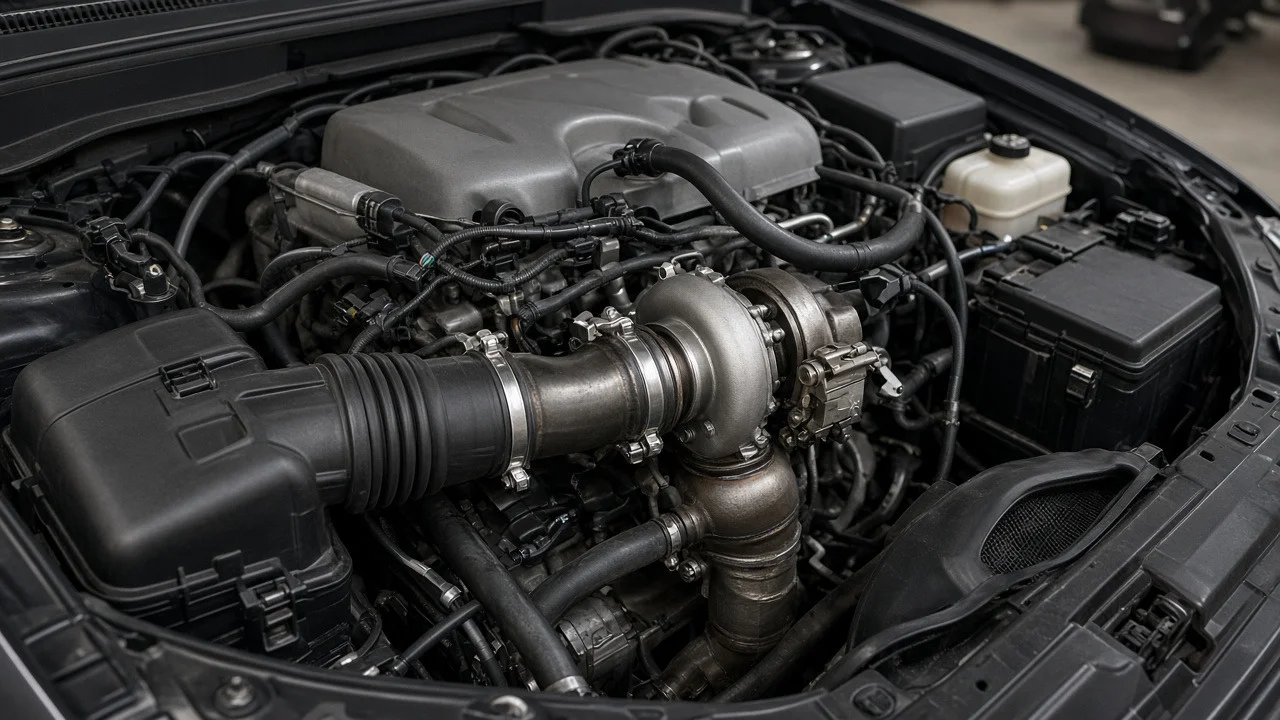
A GM 1.4L turbo engine can develop several characteristic drivability concerns that share similar symptoms but have different root causes. Turbocharged induction, direct fuel delivery, and crankcase ventilation interact closely in this engine configuration, so an apparent boost fault may actually be a sensor, ignition, or cooling system issue. Reading the vehicle’s diagnostic codes and observing exactly when a symptom appears—cold start, acceleration, or steady cruise—helps narrow the possibilities before parts are replaced. This overview covers plausible causes, diagnostic checks, and the limits of interpreting fault data without vehicle-specific confirmation.
Essential answer
Diagnosing GM 1.4L turbo engine problems requires treating a trouble code or symptom as a starting point rather than a final verdict. Common issues involve intake and boost leaks, ignition misfires, oil consumption affecting the PCV system, and coolant loss concentrated near the turbocharger or water pump. Because several systems share airflow, fuel, and cooling paths, one visible fault can mask another. A complete diagnosis starts with recent service history, symptom conditions, and stored or pending diagnostic codes, then moves to physical inspection of hoses, seals, and fluid levels.
The engine’s turbocharged design means small air leaks can upset commanded boost pressure and mimic sensor or actuator failures. For example, a split charge pipe or loose clamp may trigger an underboost code while the turbocharger itself remains healthy. Similarly, rough idle may trace to spark plug wear, carbon accumulation on valves, or a breather issue. Manufacturer-dependent fault definitions vary by model year and calibration, so the same code can lead to different tests on different vehicles. Confirming the exact engine configuration and applying the maker’s specified test values prevents mistaken component replacement.
Diagnosing a problem
Begin by recording when the symptom occurs. A stumble under load may point toward boost control, fuel delivery, or ignition stress, while a rough cold idle that clears when warm can suggest mixture correction or carbon-related airflow disruption. Compare the behavior with engine temperature and accessory load. Inspect turbo inlet and outlet plumbing, intercooler connections, and vacuum lines for oil residue, cracks, or loose clamps. Check coolant stability and oil level trends, because a small external leak near the turbocharger or coolant pump can produce intermittent overheating or odor without a large puddle.
Fault codes should guide testing, not prove that a specific part has failed. An oxygen sensor or misfire code can be the result of a vacuum leak, low fuel pressure, or a worn ignition component. Use live data where available to watch fuel trims, boost pressure, and coolant temperature under the conditions that reproduce the complaint. If a code is manufacturer-dependent, consult the vehicle-specific service information for its exact enabling criteria. Stop driving and arrange professional diagnosis if the engine overheats, loses oil pressure, produces heavy smoke, or enters a reduced-power state that suggests uncontrolled boost or cooling failure.