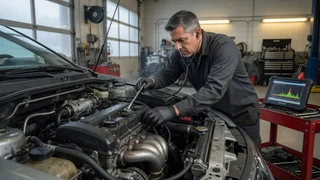
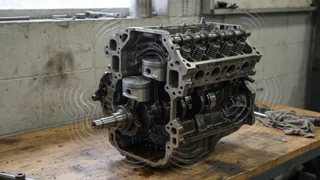
Diagnose engine pinging under load
Engine pinging under load is a sharp, metallic rattle or knock that appears when the throttle opens, the vehicle climbs a grade, or the engine works against higher cylinder pressure. Drivers often notice the sound during acceleration or towing, and it can vary with temperature, fuel, and engine speed. Understanding the symptom means separating light transient noise from repeatable spark knock that may point to combustion, sensor, or fuel-system concerns. The goal is to interpret the conditions that trigger the noise and then apply realistic diagnostic checks rather than assuming a single failed part.
Essential answer
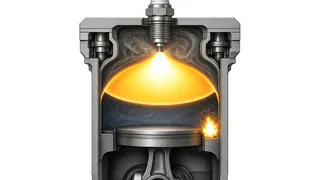
Engine pinging under load is typically abnormal combustion occurring after the spark plug fires. Instead of a smooth flame front moving across the cylinder, pressure and heat ignite remaining air-fuel mixture in isolated pockets, creating a high-frequency shock wave. That shock excites metal surfaces and produces the pinging or knocking sound. The condition is most noticeable under load because cylinder pressure and temperature rise, making the end gas more prone to spontaneous ignition. It is a symptom of combustion timing, heat, octane, or mixture control issues rather than a diagnosis by itself.
The exact cause depends on the engine configuration, service history, and symptom conditions. A turbocharged or high-compression engine may respond differently than an older naturally aspirated design. Fuel quality, carbon deposits, cooling-system condition, ignition timing, and sensor inputs can all shift the knock threshold. A stored diagnostic code may help narrow the issue, but a fault code is evidence to interpret, not proof that a specific component has failed. Manufacturer-dependent codes and calibration strategies also mean a generic explanation should be confirmed for the specific vehicle before parts are replaced.
Diagnosing a problem
Begin by documenting when the pinging occurs. Note whether it appears only during hard acceleration, at low rpm with high load, after the engine is fully warm, or when using a particular fuel. A vehicle that pings on regular fuel but quiets with higher-octane fuel suggests the combustion event is exceeding the fuel’s knock resistance under the current calibration. If the noise appears during hot weather or after sustained driving, cooling-system condition, intake air temperature sensing, and engine deposits deserve attention. Recording these symptom conditions helps separate a fuel-quality issue from a repeatable control-system fault.
A structured inspection should include checking for diagnostic codes, looking for vacuum leaks, and reviewing items that affect cylinder temperature or combustion chamber deposits. A fault code for a knock sensor, misfire, or mixture-control circuit is a starting point for circuit and sensor testing, not automatic component replacement. An inspection of spark plugs can reveal signs of overheating, fouling, or deposits, but plug appearance must be interpreted with the vehicle’s service history and operating conditions. If the pinging is severe, occurs continuously under load, or is accompanied by loss of power or overheating, stop driving and seek professional diagnosis before further engine damage occurs.