Daihatsu kei cars
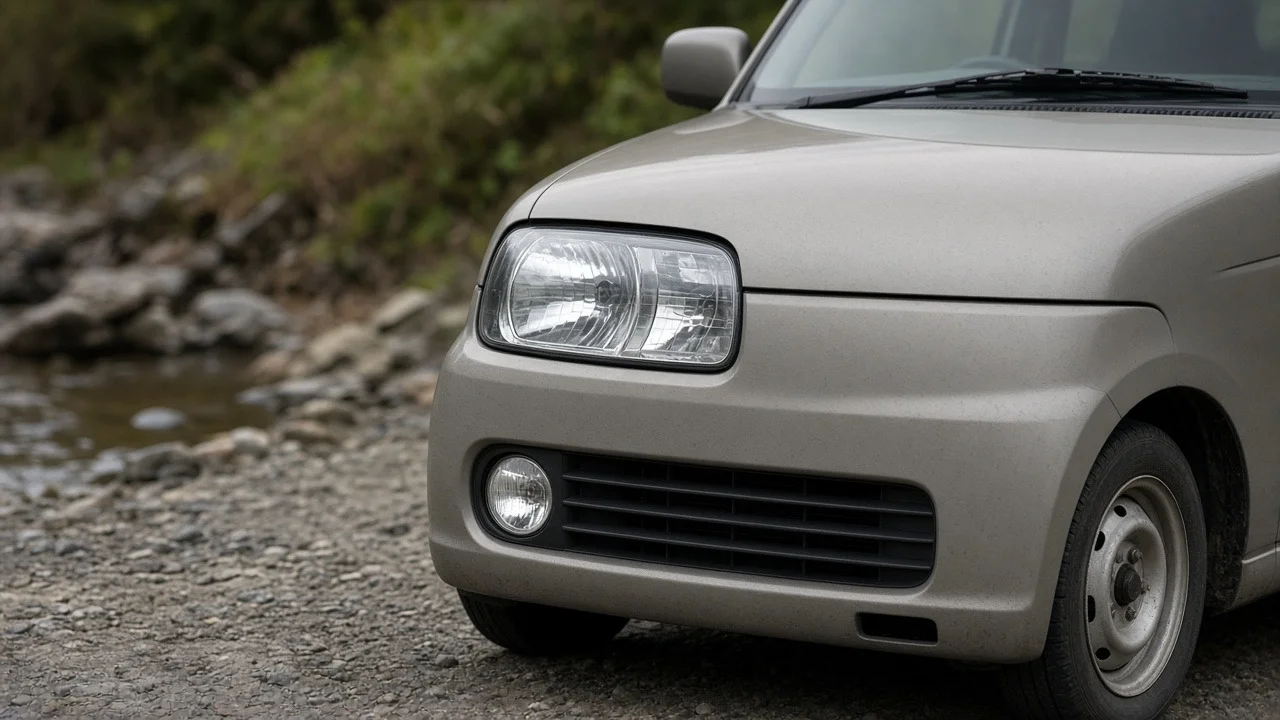
The term “Daihatsu kei car” refers to the small, efficiency-focused vehicles built by Daihatsu to fit Japan’s kei jidosha regulations. These rules restrict exterior dimensions, engine displacement, and power output, creating a distinct vehicle class. Understanding this class requires looking beyond the badge and considering how body configuration, powertrain layout, and market segment shape the driving experience. For readers researching these cars, the essential answer involves a regulated domestic Japanese category that has produced tall wagons, tiny sports cars, and practical commercial cab-over vans, each with a unique place in urban mobility.
Essential answer
A Daihatsu kei car is any Daihatsu model engineered to comply with Japan’s kei class standards, which cap overall length, width, height, and engine size while limiting rated horsepower. This vehicle class is primarily a regulatory and insurance category rather than a single body style. The scope includes a wide range of seating layouts and body configurations, from two-seat cargo vans to four-seat tall wagons. The qualification that matters most is market context: these cars are designed around Japanese tax rules, narrow streets, and parking constraints, so their proportions and engineering priorities often differ from subcompact cars sold in North America.
In practice, the Daihatsu lineup illustrates how one manufacturer can interpret the same dimensional envelope in several ways. A cab-over mini truck places the driver above the front axle to maximize cargo length, while a tall microvan uses a forward cabin and short nose for passenger room. Other models follow a more conventional hatchback profile with a front-engine, front-wheel-drive layout. Recognizing these model generations and market segments helps explain why two vehicles sharing the kei label can feel completely different. The essential answer is not one specific shape but a family of vehicles unified by a maximum size, modest displacement, and a focus on maneuverability and low running costs.