Daihatsu Kei Cars: What They Are and How They Differ
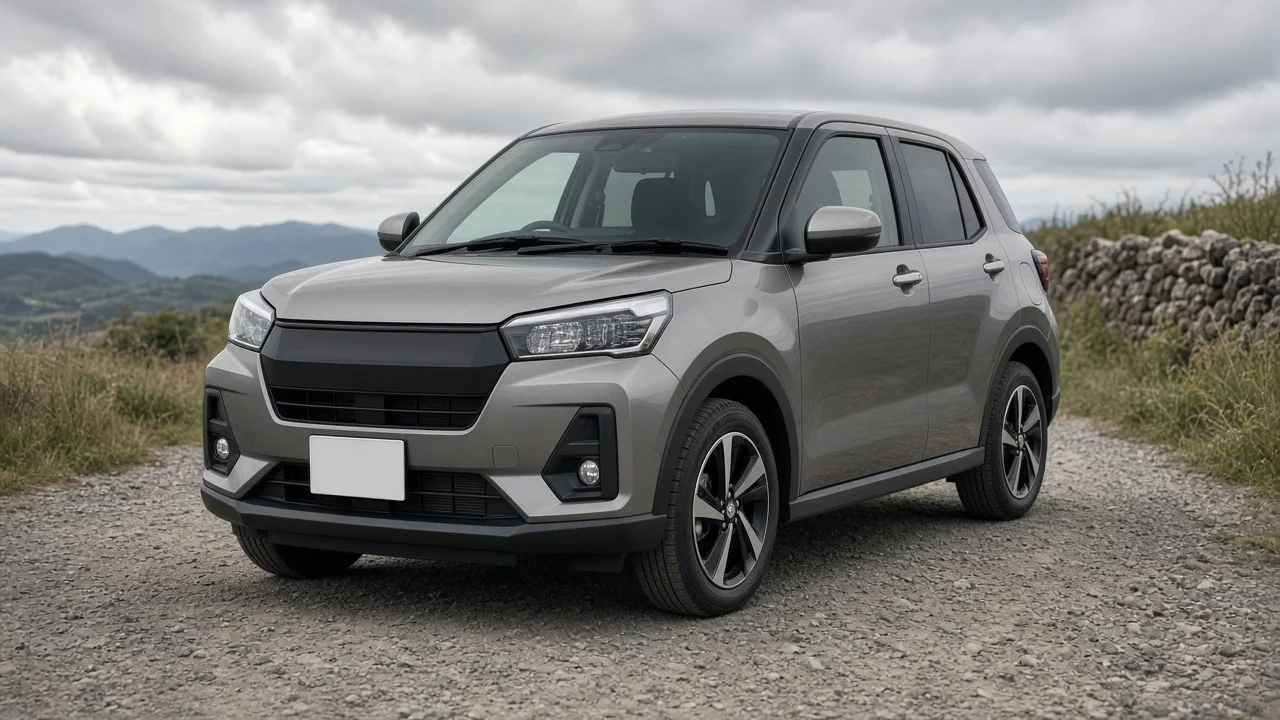
Daihatsu is one of the best-known makers of kei cars, Japan's smallest class of road-legal vehicle. If you are looking up a kei car from Daihatsu, you will usually find either a compact passenger model built for Japanese city driving or a Hijet mini truck or van, which has become a familiar import in the United States. This guide explains what the kei class is, which Daihatsu models belong to it, how they differ from one another and from ordinary cars, and what a US reader should consider before buying one.
The Short Answer
A Daihatsu kei car is a vehicle built to fit Japan's kei (light automobile) regulations, which cap exterior size and engine displacement in exchange for lower taxes, cheaper insurance and easier parking compliance in Japan. Daihatsu, a wholly owned Toyota subsidiary, has built kei vehicles for decades. Its lineup covers tall wagons, small hatchbacks, a crossover, a two-seat roadster and commercial trucks and vans.
There is one qualification that matters for US readers. Daihatsu has not sold cars new in the United States since it left the US market in the early 1990s, and its kei models were never sold new here. Any Daihatsu kei car in the US is a private import, and whether it can be registered for road use depends on its age and on state law.
What Makes a Vehicle a Kei Car
Kei is a vehicle class, not a brand or model. Under current Japanese rules, a kei vehicle must stay within limits of roughly 3.4 meters in length, 1.48 meters in width and 2.0 meters in height, and engine displacement may not exceed 660 cc. Manufacturers have also long kept to an industry agreement that caps output at about 64 PS. These limits have changed over the decades, so older kei cars were built to smaller dimensions or displacement caps than current ones.
Because every maker works within the same box, kei cars compete on packaging rather than size or power. That is why so many kei models are tall and boxy. Maximum height is the one dimension with generous room, and using it gives a surprising amount of headroom and cargo space on a very small footprint.
Daihatsu's Main Kei Model Lines
Daihatsu has used many nameplates over the years, and each has gone through several model generations. The lines below are the ones most often seen in Japan and among importers. Exact features, engines and trims vary by generation and model year.
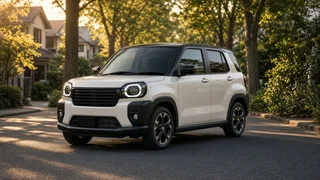
Model line | Body configuration | Typical seating layout | Market segment; Hijet Truck | Cab-over mini pickup | 2 seats | Commercial, farm and utility work; Hijet Cargo / Atrai | Cab-over mini van | 2 to 4 seats, depending on version | Commercial delivery and leisure van; Mira (including Mira e:S) | Small hatchback | 4 seats | Budget, fuel-efficient city car; Move | Tall wagon | 4 seats | Mainstream family and commuter use; Tanto | Super-tall wagon with sliding rear doors | 4 seats | Family car focused on interior space; Taft | Kei crossover / SUV-style hatchback | 4 seats | Lifestyle and light outdoor use; Copen | Two-seat roadster with folding hardtop | 2 seats | Enthusiast and recreational driving
Daihatsu has also sold other kei nameplates, such as the Wake, Cast and Mira Cocoa, and has built kei models that Toyota and Subaru sell under their own badges in Japan. When you are looking at a used vehicle, the same basic car may appear under a different brand.
How Daihatsu Kei Cars Differ From One Another
Body Configuration
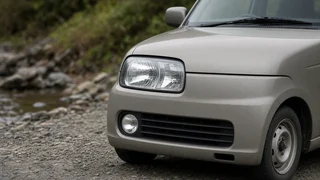
The biggest difference between Daihatsu kei models is body shape, which follows from their intended use. Hatchbacks like the Mira favor low weight and economy. Tall wagons like the Move and Tanto trade some efficiency for headroom and easy entry. Some Tanto generations use a pillarless passenger side, so that the front door and rear sliding door open into one wide aperture. The Copen is a niche sports model, and the Hijet line is purpose-built for work.
Powertrain Layout
Most Daihatsu kei passenger cars use a front-engine, front-wheel-drive layout. Four-wheel drive has been available on many models, which is useful in snowy regions of Japan. The Hijet truck and van take a different approach. The engine sits under or behind the front seats in a cab-over design, power goes to the rear wheels, and part-time four-wheel drive is commonly offered. This layout gives a long cargo bed relative to the vehicle's overall length.
All of them use small three-cylinder engines within the 660 cc limit, in either naturally aspirated or turbocharged form depending on model and trim. Transmission choices have included manual gearboxes, conventional automatics and, in more recent passenger models, CVTs. Older Hijet trucks in particular are often found with manual transmissions.
Seating Layout
Kei passenger cars are limited to four occupants. Daihatsu's wagons often have rear seats that slide or fold flat to balance passenger and cargo room. Hijet trucks seat two, and the Copen is strictly a two-seater.
How Kei Cars Differ From Ordinary Small Cars
Size: kei cars are narrower and shorter than even subcompact cars sold in the US, which makes them easy to park and maneuver but leaves little crush space. Power: small-displacement engines are adequate for city streets and rural roads, but highway merging and sustained high speeds are not their strength, especially in non-turbo versions. Purpose: they are designed around Japanese roads, speeds and regulations, not around US highway conditions or US safety standards. Cost of ownership in Japan: their main advantages there are tax and regulatory benefits, which do not carry over to other countries.
Owning a Daihatsu Kei Car in the US
Because these vehicles were never certified to US federal safety and emissions standards, they generally become eligible for import once they are at least 25 years old under the federal exemption for older vehicles. This is why most Daihatsu kei vehicles in the US are older Hijet trucks and vans, along with a smaller number of passenger models.
Federal import eligibility does not guarantee road use. States treat kei vehicles differently. Some allow full registration, some limit them to low-speed or off-highway use, and some have restricted titling them altogether. Rules have also changed over time, so check your state's current policy before buying.
Other practical points are worth weighing as well. Parts supply depends on the model; common Hijet components are easier to source through importers and specialists than parts for rarer passenger models. Service manuals and labels are often in Japanese. Older kei vehicles also lack modern crash protection, so they suit low-speed, local and off-road work better than mixed highway commuting.
A Note on Daihatsu's Recent History
In late 2023, Daihatsu disclosed irregularities in its vehicle certification testing, which led to a temporary halt in production and shipments while Japanese regulators investigated. This mainly affects how readers interpret recent-model news and availability in Japan. It has little bearing on decades-old imports, but it is useful background if you follow the brand's current lineup.
Which Daihatsu Kei Car Fits Which Need
Farm, property or utility work: a Hijet truck, ideally with four-wheel drive, is the most common and best-supported choice among US imports. Small enclosed hauling or a camper base: a Hijet Cargo or Atrai van. A novelty or enthusiast car: the Copen offers open-top, two-seat driving within kei limits. City-focused passenger use where registration allows: a Move or Tanto for space, or a Mira for simplicity and economy.
In short, Daihatsu kei cars are small, carefully packaged vehicles built around Japan's kei rules. Their usefulness to a US owner depends less on the model itself than on its age, its condition and what your state allows.