Latest Daihatsu car
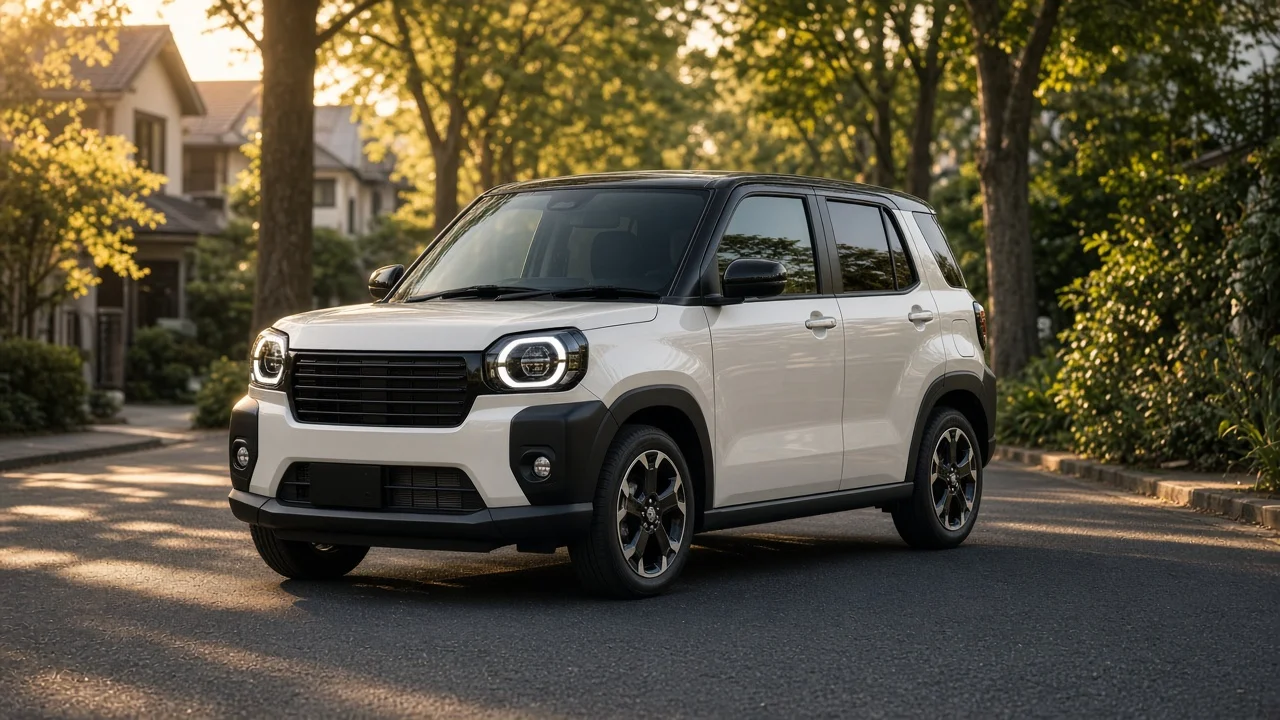
The term “daihatsu latest car” usually leads American shoppers into a conversation about a compact Japanese brand that has largely exited the United States market. For US readers, identifying the newest Daihatsu model requires separating current Japanese and emerging-market lineups from older vehicles that still appear in online classifieds. A model generation, body style, and market specification can change what “latest” means more than an absolute calendar year. Understanding that distinction helps buyers avoid confusing a recent overseas release with an older US import or a gray-market vehicle.
Essential answer
Daihatsu does not currently sell new cars through a conventional dealer network in the United States, so the “latest car” for an American audience is typically a recently produced model in Japan, Southeast Asia, or other regions where the brand remains active. The newest lineup emphasizes compact kei cars, small crossover body styles, and efficient powertrain configurations designed for urban markets. Because the company has not maintained a mainstream US presence for years, any recent model discussed here must be understood in its home market specification rather than as a vehicle available on an American showroom floor.
Rather than pointing to one universal flagship, the answer depends on which model generation a market receives. A vehicle may be fresh in Japan while an older generation continues in another country, and trim level names can differ even when the basic platform is shared. A body style such as a tall mini-wagon or a small SUV can also influence how a model is described as new. For a US reader, the practical answer is that the newest Daihatsu vehicles represent a class of efficient, space-focused small cars that are not certified for regular American retail sale, and any local example should be checked carefully as an import.