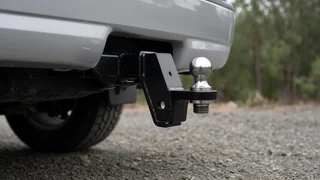
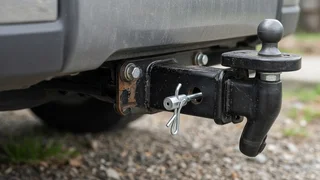
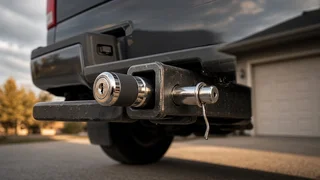
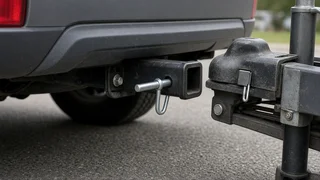
CURT trailer hitch pin
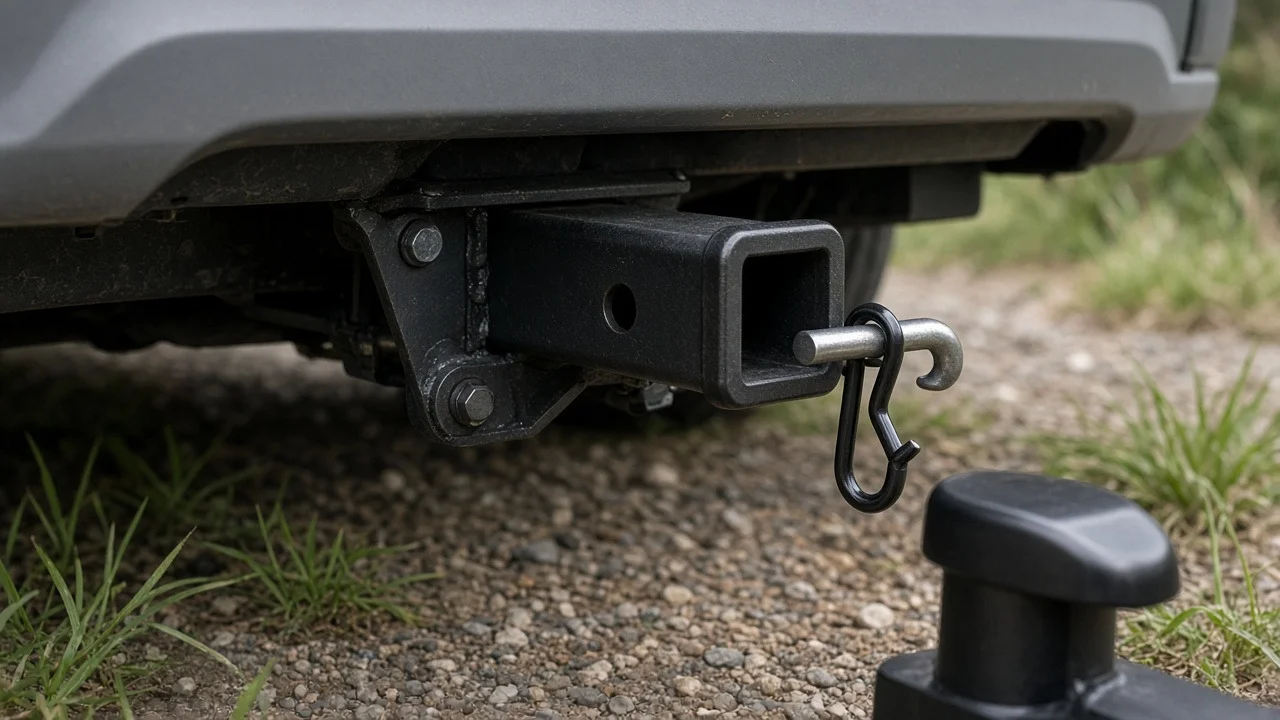
Choosing a CURT trailer hitch pin comes down to matching the pin diameter and usable length to your receiver, coupler, or accessory, then confirming the load rating works for how you tow. Buyers often start with a specific pin in mind but should also check the locking style, corrosion finish, and whether a clip or locking head clears the surrounding hardware. Once the basic fit is verified, the remaining decisions concern everyday convenience, security, and long-term durability.
The direct answer
A CURT trailer hitch pin is generally a cylindrical fastener that slides through the hitch receiver and drawbar or through a coupler latch to keep towing components connected. The immediate purchasing answer is to select a pin with the diameter listed for your receiver or accessory, most often matching the hole size in the drawbar shank, and a usable length that allows full engagement without excessive side play. If the pin is for a ball mount, the shank's pin hole diameter and the receiver tube's outside width are the two measurements that matter first.
After size, evaluate the working load limit and the method of retention. A simple bent pin with a spring clip resists accidental withdrawal but offers no theft protection, while a locking hitch pin uses a keyed barrel or locking head to secure the trailer when parked. Coated steel and stainless steel resist rust better than bare metal, especially where road salt and moisture collect. Because pin length and barrel diameter vary among CURT models, check the product description against your setup rather than assuming every hitch pin fits every receiver.