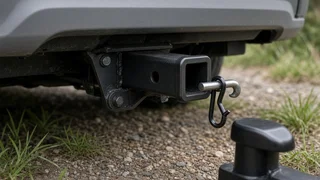
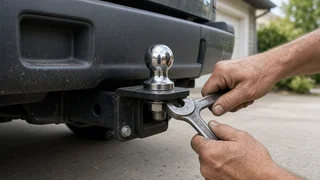
CURT trailer hitch ball
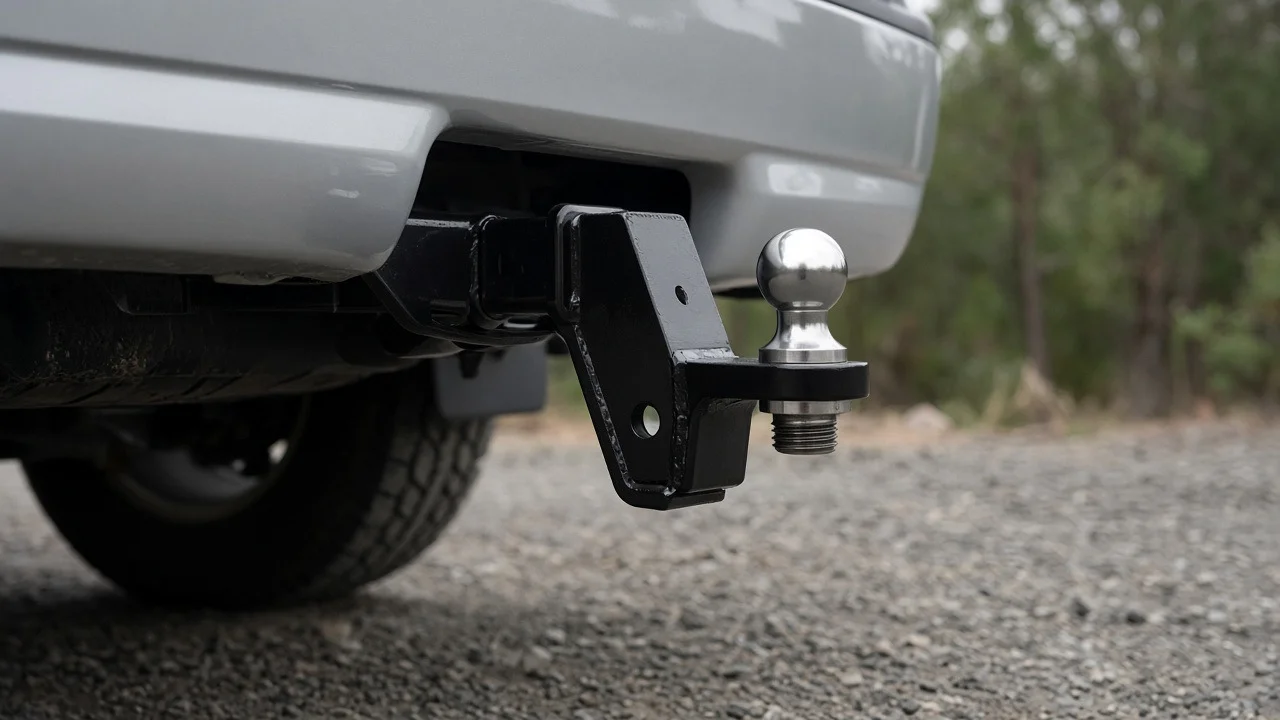
Choosing a CURT trailer hitch ball means matching the ball to the coupler, the towing hardware, and the actual load being pulled. A hitch ball is the pivot point between the trailer tongue and the receiver-mounted ball mount, so its diameter, shank size, and weight rating have to agree with the trailer coupler and the vehicle's tow limits. The right choice supports safe articulation, secure latching, and predictable handling. This guide explains what to check before purchase, how specifications interact, and why common trailer, tongue weight, and rating terms matter for a dependable setup.
The direct answer
Select a CURT trailer hitch ball that matches the trailer coupler's stamped ball diameter, almost always 1-7/8 inches, 2 inches, or 2-5/16 inches, and that has a shank diameter and length compatible with the ball mount hole. The ball's gross trailer weight capacity must equal or exceed the loaded trailer weight, while the shank must be rated for the same load. A mismatched diameter creates a loose or jammed coupler, and an undersized shank can bend under braking or acceleration.
The purchase decision should also consider the trailer's tongue weight and the vehicle's receiver, payload, axle rating, gross vehicle weight rating, and combined weight rating. These limits form a chain; the CURT ball is only one link. Before buying, verify the coupler size, the ball mount platform thickness, the shank diameter, and the finish needed for corrosion resistance. That practical check prevents a return, a poor latch, or a towing setup that exceeds the weakest component in the configuration.