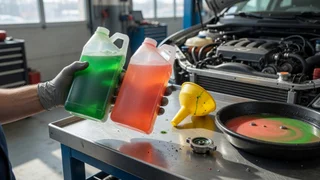
Coolant and oil mixing ratio
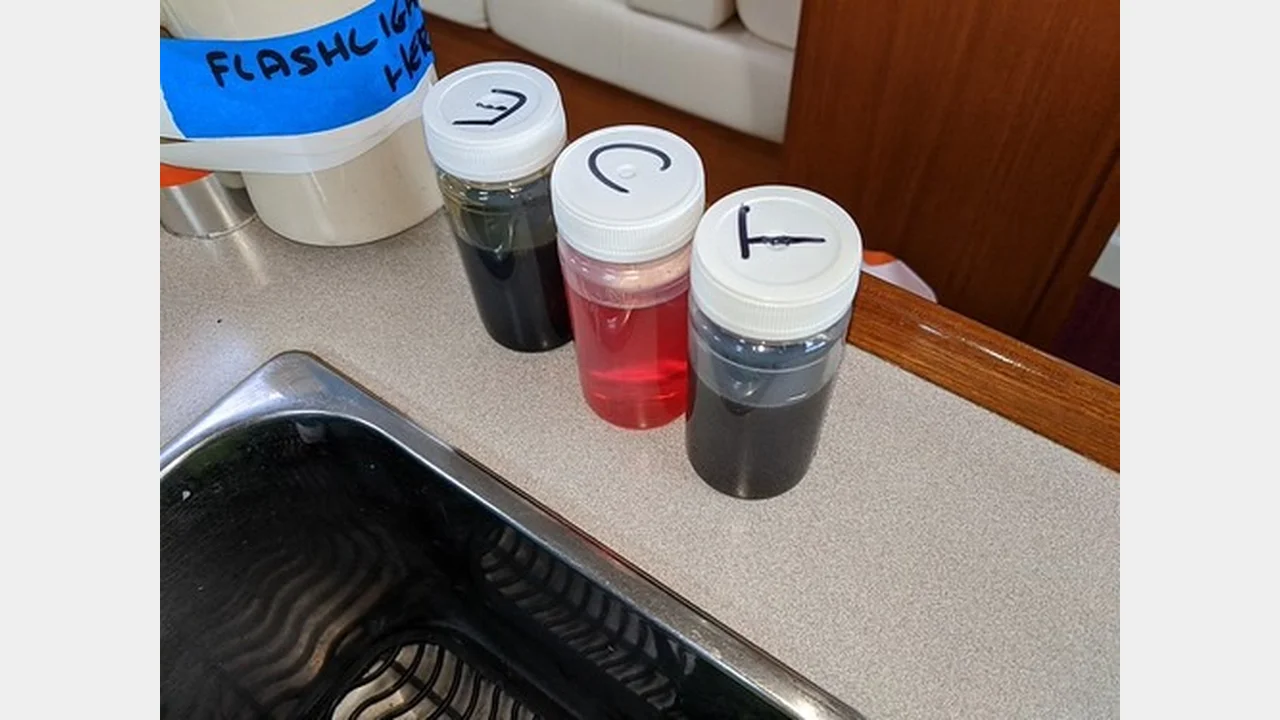
A “coolant and oil mixing ratio” usually does not refer to something an owner should blend. In a healthy engine, these two fluids stay separate. When coolant and oil combine, the mixture is a contamination symptom rather than a service specification. The visible result is often a milky residue under the oil fill cap, on the dipstick, or in the expansion tank. Because the two liquids have different jobs and additive packages, any meaningful mixing changes lubrication, heat transfer, and corrosion protection. Understanding why that happens helps an owner interpret warning signs before damage spreads.
Essential answer
There is no normal operating ratio for mixing engine coolant and engine oil. The correct condition is separation: oil lubricates the crankcase, while coolant circulates through the water jacket and radiator. When a head gasket leak, cracked casting, or oil cooler failure allows them to meet, the result is an unintended emulsion. The apparent ratio depends on how much of each fluid has crossed the barrier, but even a small amount can indicate a developing leak rather than a usable blend.
The practical answer is therefore to treat any oil-coolant mixture as a diagnostic finding, not a fill quantity. Milky brown oil on a dipstick suggests water or coolant is entering the lubrication system. Conversely, an oily sheen in the coolant reservoir can mean oil is being pushed into the cooling system. Because these fluids do not mix cleanly, the visible pattern or volume can hint at the leak location and whether the engine should stay off until inspection.