Converting an electronic transmission (4L60E) to a cable-drive speedometer
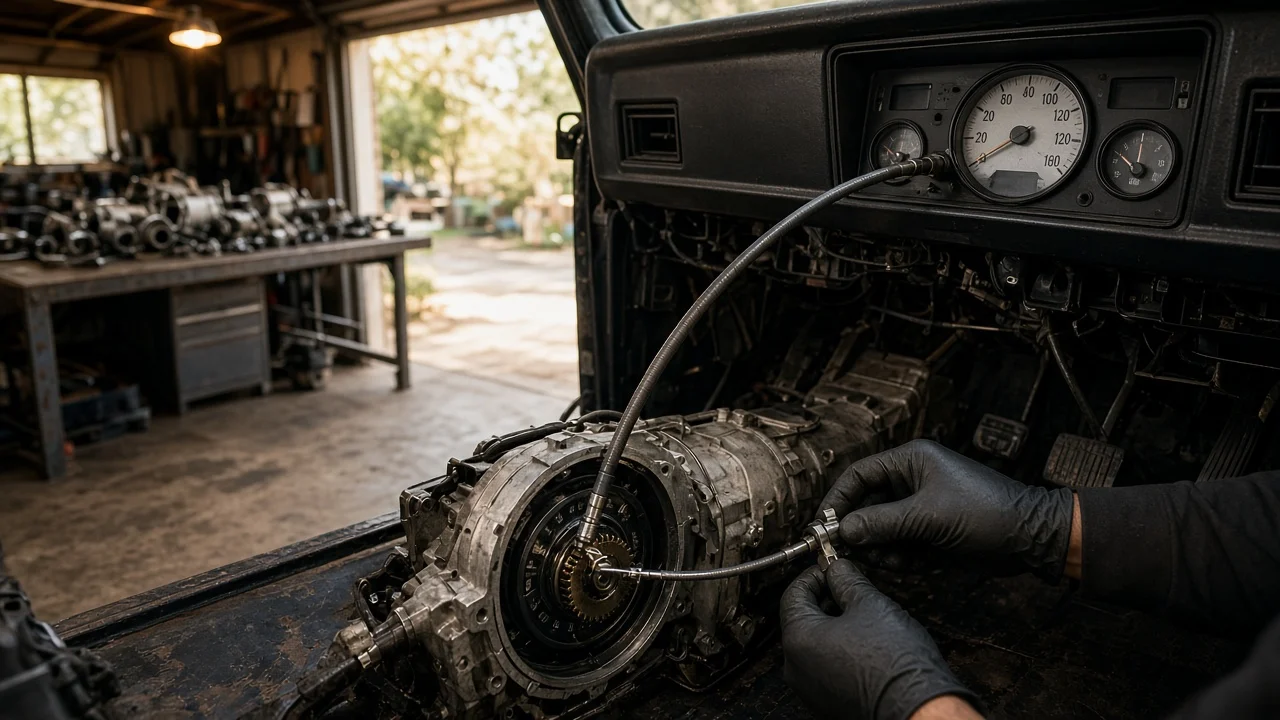
A 4L60E normally reports road speed through an electronic signal, so adapting it to a cable-driven speedometer means changing how the instrument cluster receives vehicle speed information. The transmission’s factory control strategy relies on its vehicle speed sensor, while an older mechanical speedometer expects a rotating drive cable from a speedometer cable drive adapter. This creates a conflict between stock electronic control and vintage instrumentation. Understanding the available signal paths, tail-housing mounting points, and drive-gear relationships helps identify whether a practical conversion can preserve both transmission operation and a working speed display without inventing unsupported fitment claims.
Essential answer
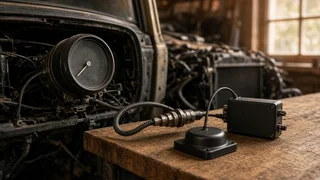
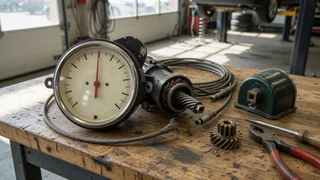
Converting a 4L60E to a cable-drive speedometer is not a simple sensor swap. The transmission does not include a conventional mechanical speedometer drive output in the same way as many older non-electronic gearboxes. Depending on the case and tail-housing design, an electric-to-mechanical speedometer cable drive conversion may require a cable adapter, a compatible driven gear assembly, and a location to mount the speedometer cable, or an alternative conversion box that translates an electronic pulse signal into mechanical rotation inside the cluster.
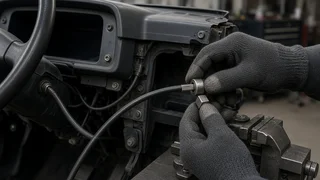
Because the 4L60E’s vehicle speed signal also helps the control module manage shift timing, removing or defeating the electronic signal can affect more than the gauge. A speedometer cable drive adapter cannot create speed information by itself; it must be driven by a rotating gear or an external drive motor. Before choosing parts, confirm whether the transmission case has an available mechanical drive boss, whether the electronic output will remain connected to the controller, and whether the speedometer cable routing can reach the adapter without interfering with the transmission mount or exhaust components.