GPS sender for a cable-drive speedometer
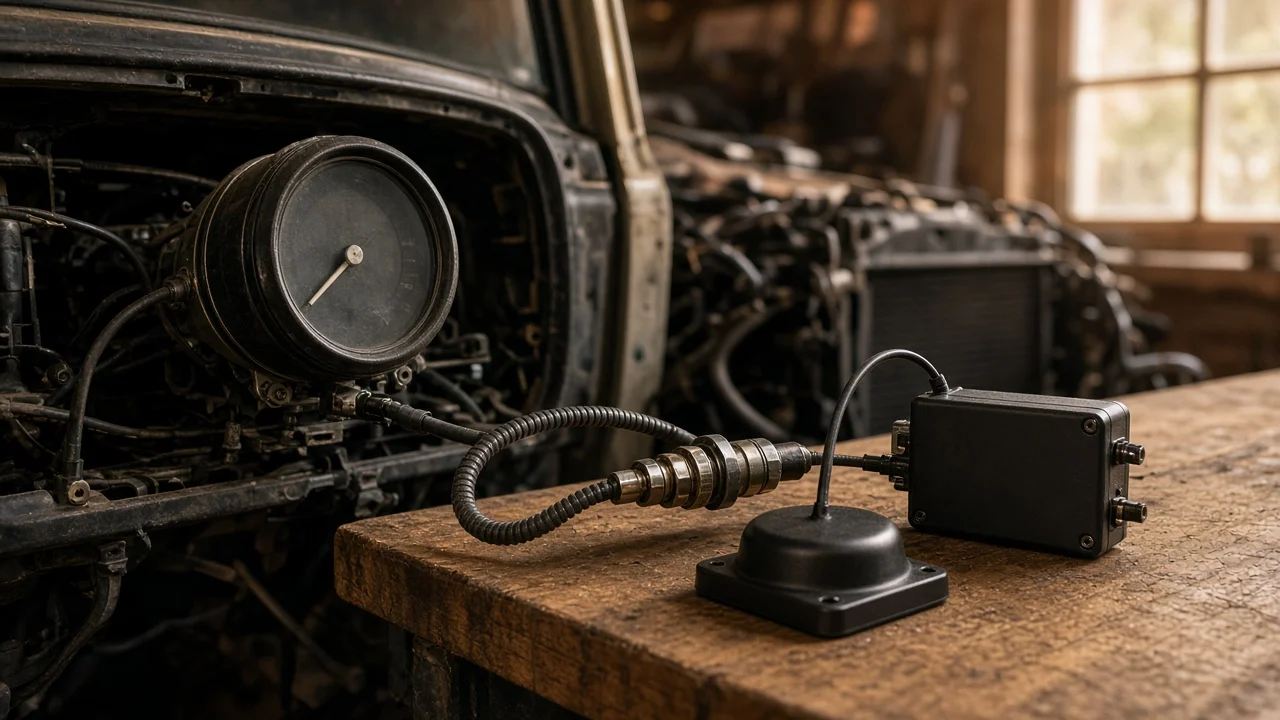
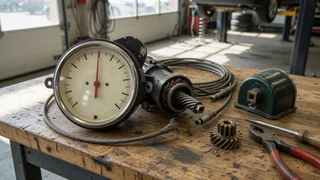
A GPS sender for a cable-drive speedometer lets a vehicle keep a functioning speed display when the original rotating cable or drive gear is missing, damaged, or impractical to connect. Instead of spinning the speedometer mechanically, the sender reads position data from satellites and drives a small motor that turns the speedometer input. This approach is useful on engine swaps, custom gauge clusters, and cars where a transmission no longer has a mechanical speed output. Because the signal originates outside the drivetrain, installation depends less on gear ratios and cable routing, but it still requires a clean GPS signal and a compatible drive fitting.
The direct answer
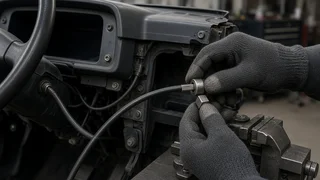
A GPS sender can drive a cable-operated speedometer, but it is not a direct electronic replacement for the cable. You need a converter unit that receives satellite positioning data and uses an electric motor to rotate the square drive that normally engages the speedometer head. The original speedometer remains mechanical, so the GPS module only replaces the source of rotation. The key condition is mechanical fit: the sender must accept the speedometer cable or mount directly to the gauge with the correct drive shape and direction.
Before buying, confirm whether your speedometer expects a threaded cable connection or a clip-on drive at the back of the instrument cluster. The sender should be mounted where its antenna can see open sky, because overhead obstructions, metallic window films, or deep dashboard recesses can interrupt the signal. Speed readings then update from GPS positioning rather than driveshaft rotation. If the vehicle is used in tunnels, dense parking structures, or areas with poor satellite reception, the speedometer may pause until the sender reacquires a signal.