Compare unibody vs body-on-frame rust
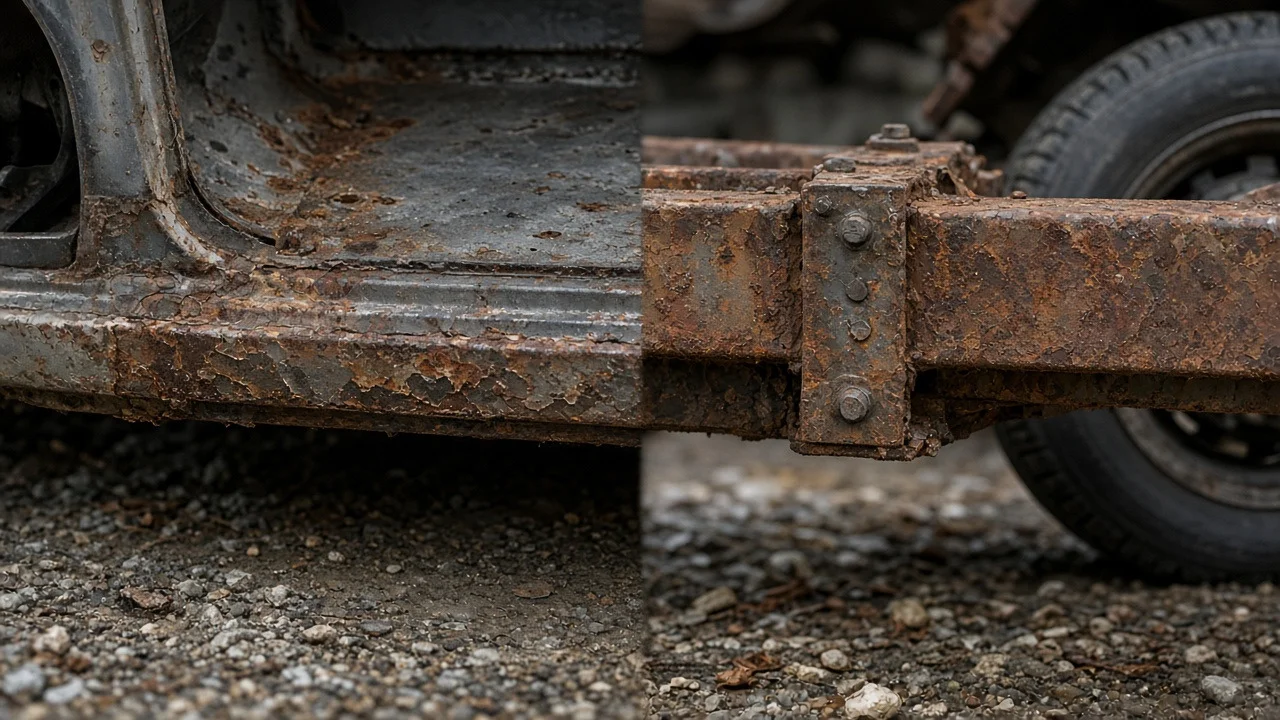
Rust behaves differently depending on how a vehicle's body is constructed. In a unibody design, the stamped body panels and floor structure also carry suspension and drivetrain loads, so corrosion in a stressed area can affect alignment and safety more directly. In a body-on-frame layout, a separate steel frame supports the major mechanical components while the body is bolted on top. Comparing unibody vs body-on-frame rust is therefore not only about where rust appears, but also how it influences repair cost, inspection difficulty, and long-term utility. The better choice depends on use and exposure.
Direct answer
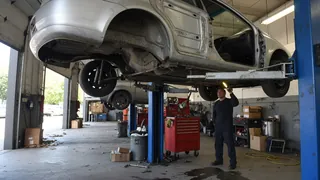
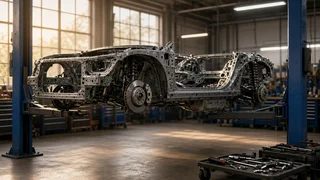
There is no universally rustproof construction. A unibody tends to spread structural responsibility across many welded panels, so hidden corrosion can weaken load paths that are not obvious from the outside. A body-on-frame vehicle often concentrates structural rust on the frame rails, crossmembers, and body mount points. This can make inspection more straightforward on a lift because the main load-bearing frame is visible, but it does not make the vehicle immune to serious damage.
For a buyer comparing the two, the immediate answer is to inspect the load-bearing areas first. On a unibody, that means rocker panels, floor seams, strut towers, rear suspension mounting areas, and subframe attachment points. On a body-on-frame vehicle, it means the frame rails, especially near suspension mounts, steering box areas, and body mount brackets. Rust on non-structural outer panels matters, but rust in the wrong structural spot can make either platform unsafe or impractical to repair.
Differences and suitability
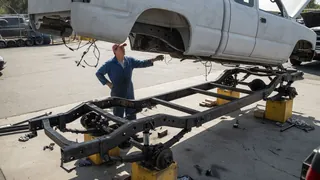
Body-on-frame rust is often easier to isolate from the body because the body can be lifted from the frame. A rusted frame section may be repaired or reinforced without disassembling the entire cabin, and body panels may remain serviceable even when the frame needs attention. However, if rust reaches multiple frame locations, repair becomes expensive because alignment, body mount height, and suspension geometry depend on a straight frame. Surface scaling can hide deep pitting in boxed sections that trap moisture inside.
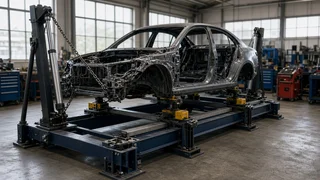
Unibody rust is more likely to affect panel alignment and door gaps because the outer panels help form the structural shell. Repairs often require careful surface preparation and welding into stressed sheet metal, which tests substrate material condition and coating compatibility. For a daily road vehicle, a unibody with localized corrosion in an accessible outer panel may be manageable. For heavy towing, off-road use, or repeated frame loading, a body-on-frame design with a clean, protected frame can remain more suitable, provided the frame itself has been inspected closely.