Compact vs Intermediate Cars: What the Labels Mean and How to Choose
The short answer
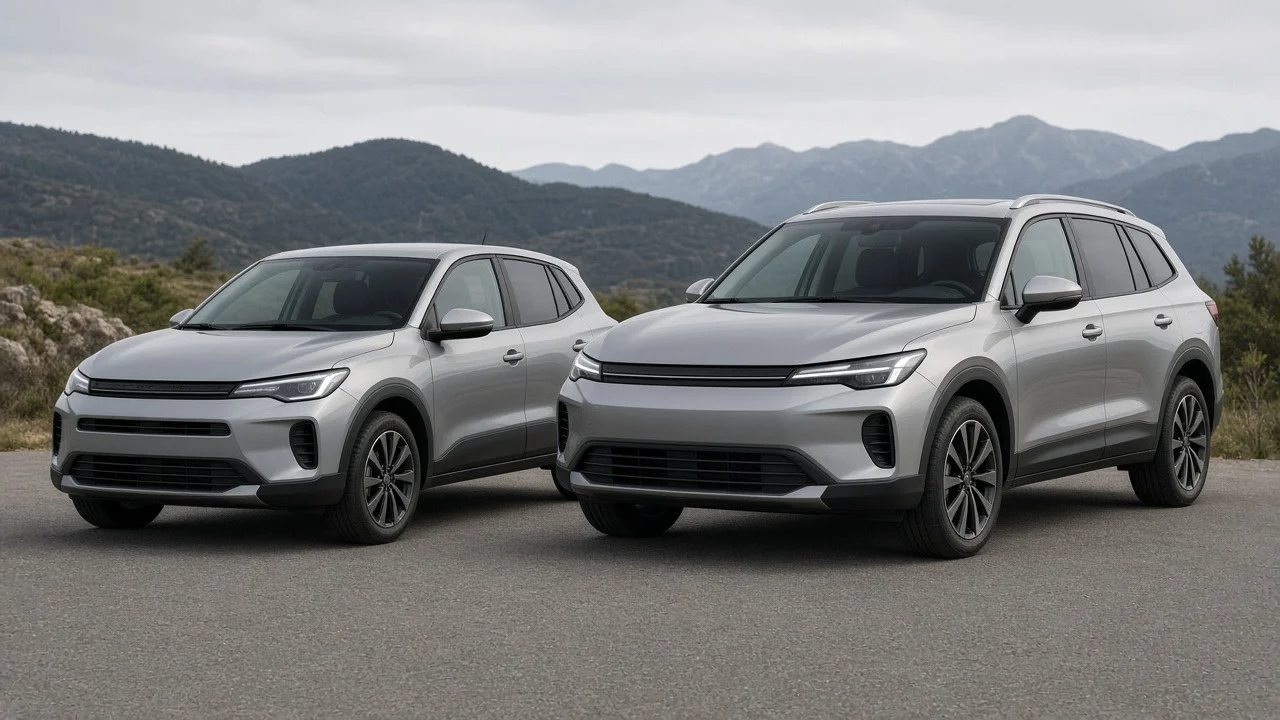
An intermediate car is one step larger than a compact car. In everyday US usage, intermediate means roughly the same as midsize. Compared with a compact, it usually gives you a bit more rear-seat room, a somewhat larger trunk and a calmer highway ride. The compact usually costs less to rent or buy and is easier to park.
The gap between the two classes is often smaller than the names suggest. The labels depend on who is using them. A rental company's category and the government's size class are separate systems, so one vehicle can be called a compact in one place and an intermediate in another. If space matters, compare the actual car or its interior dimensions rather than the class name.
Where the terms come from
Most confusion comes from two different systems that both describe vehicle class. One is the federal size classification used on fuel economy information. The other is the category system used by rental companies. Many buyers also run into informal labels used by automakers, dealers and reviewers.
US government size classes
For passenger cars, the US Environmental Protection Agency groups sedans, hatchbacks and coupes by combined interior volume, which is passenger space plus cargo space. Exterior length, price and engine size play no part in it. Under this system, a compact car has 100 to 109 cubic feet of combined interior volume, and a midsize car has 110 to 119 cubic feet. The EPA does not use the word intermediate. Its closest equivalent is midsize.
EPA car class | Combined passenger and cargo volume; Minicompact | Less than 85 cu ft; Subcompact | 85 to 99 cu ft; Compact | 100 to 109 cu ft; Midsize | 110 to 119 cu ft; Large | 120 cu ft or more
Because the measurement is based on volume, a car with a deep trunk or a tall roofline can move up a class without being much longer outside. A model can also change class between one model generation and the next after a redesign. Station wagons, pickups and SUVs are classified separately, so this table applies to cars only.
Rental car categories
If you saw compact and intermediate while booking a rental, you were looking at a different system. Many rental companies use an industry vehicle code in which the first letter is the size category. In that scheme, C stands for compact and I stands for intermediate. The usual order from small to large is mini, economy, compact, intermediate, standard and fullsize, with premium, luxury and specialty categories above or beside them.
Rental categories are booking groups, not exact specifications. You are usually reserving a class of car, often described as a named model or similar. The vehicle you receive can differ from the one shown. Each company also decides which models go into each group, so one company's intermediate can overlap with another company's compact or standard.
Historical and marketing use
In the American market, intermediate was once the common industry term for cars between compacts and full-size models. That market segment is now usually called midsize. Automakers and reviewers may also describe a car as compact or midsize on their own terms, which do not always match the government class.
What actually changes between the two
Exact differences depend on the specific model, model year and trim. These general patterns hold for most cars:
Rear-seat space: intermediates usually offer more rear legroom and shoulder room. This matters most when adults ride in the back or when you need to fit rear-facing child seats. Cargo space: intermediate sedans tend to have larger trunks. A compact hatchback, however, can carry bulky items more easily than a midsize sedan because of its taller opening and folding rear seats. Body configuration can matter as much as the size class. Seating layout: both classes usually seat five, two in front and three in back. The middle rear seat is often tight in either class, so seat count alone is not a reason to move up. Ride and noise: a longer wheelbase and extra weight often make an intermediate feel steadier and quieter on the highway, though many current compacts are very refined. Parking and maneuvering: compacts are typically easier in tight city streets, older parking garages and parallel spaces. Fuel use: compacts often use less fuel, but the powertrain matters more than the size class. A hybrid midsize car can be more efficient than a conventional compact. Cost: compacts generally cost less to rent and usually start at a lower price to buy. Insurance and running costs depend on many factors beyond size.
Powertrain layout usually does not separate the two classes. Most current compact and intermediate cars sold in the US use a front-mounted engine driving the front wheels, and some offer all-wheel drive. The engine type, whether gasoline, hybrid or electric, affects running costs and driving feel more than whether the car is classed as compact or intermediate.
Choosing for a rental
The price difference between compact and intermediate rentals is often modest. The useful question is whether the extra space solves a real problem on your trip.
Choose compact if you are traveling alone or as a couple, carrying light luggage, mostly driving in a city, or trying to keep the cost down. Choose intermediate if you will regularly have adults in the back seat, need trunk space for two or more large suitcases, or face long highway stretches where a quieter ride helps. Consider a larger class or a different body style if you are carrying four adults with full luggage, traveling with bulky gear, or installing more than one child seat. An intermediate may still feel cramped for these jobs. Check the company's description of each class, since fleets differ. When luggage is the concern, look for a stated suitcase capacity rather than relying on the category name.
Choosing for a purchase
When you are buying, the class label matters less than how a particular car fits your routine. Some current compacts have grown close to older midsize cars in interior space, and the line between the two segments shifts with each model generation.
Sit in the rear seat behind your own driving position. This is a quick test of whether a compact is big enough for your passengers. Bring what you regularly carry, such as a stroller, sports equipment or a child seat, and try it in the trunk or back seat. Compare the actual interior and cargo figures of the models you are considering, not just their class. Two cars in the same class can differ noticeably. Weigh hatchback against sedan. A compact hatchback can be more practical day to day than a midsize sedan, even though it sits in a smaller class. Consider where you park. A larger car that is awkward in your garage or on your street adds daily friction. Compare the powertrains offered. Efficiency and performance vary more by engine and drivetrain than by size class.
Quick comparison
Factor | Compact | Intermediate (midsize); Typical use | Solo drivers, couples, city driving | Small families, regular rear passengers, long trips; Rear-seat room | Adequate for shorter trips with adults | Usually more generous; Cargo | Smaller sedan trunk; hatchbacks can be very versatile | Usually larger sedan trunk; Parking | Easier in tight spaces | Somewhat harder in tight spaces; Cost | Usually lower | Usually somewhat higher; Highway comfort | Good in many current models | Often steadier and quieter
Bottom line
Intermediate is the step above compact and corresponds to what is usually called midsize in the US. Choose the compact when cost, efficiency and easy parking matter most. Choose the intermediate when rear passengers, luggage or long highway drives make the extra room worthwhile. Class names vary between rental companies, government classifications and marketing, so for any decision that depends on space, check the specific vehicle.