Compact vs Economy Car: What's the Difference and Which Should You Choose?
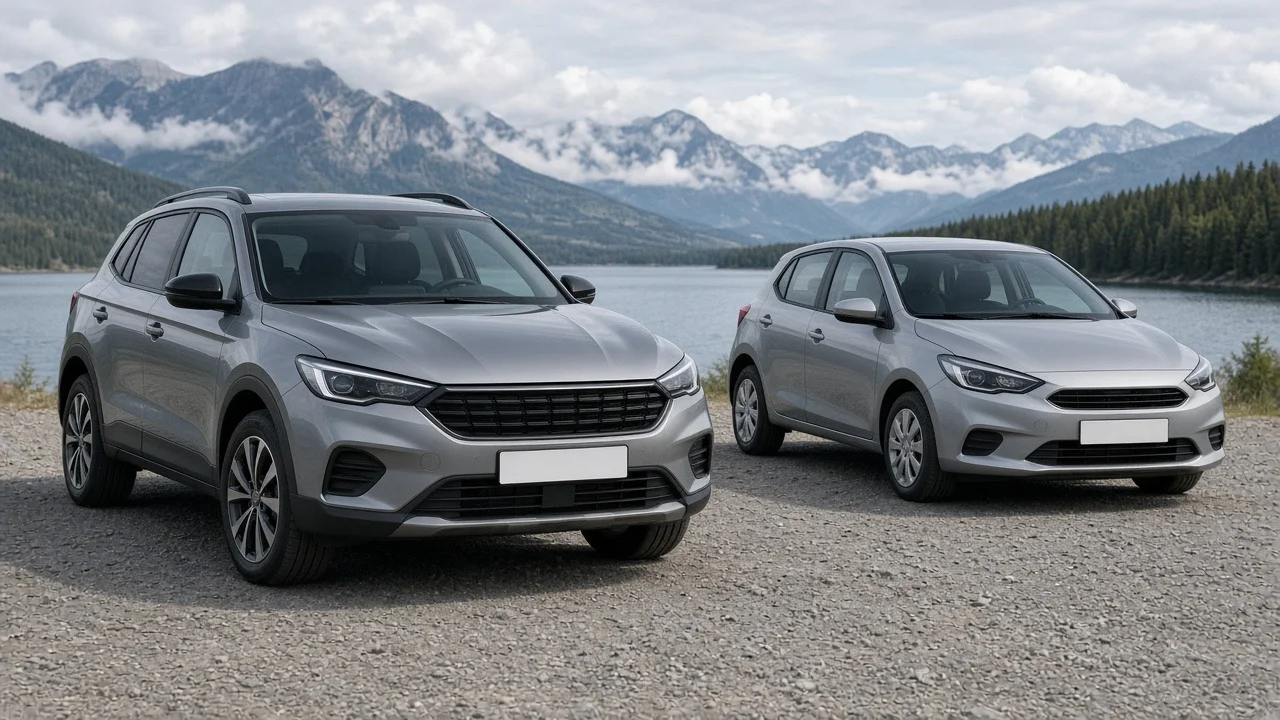
The short answer: an economy car is usually smaller and cheaper than a compact car, but the two terms describe different things. "Compact" is a size class with a recognized definition in the US. "Economy" is a looser label for low cost and fuel efficiency. The label alone won't tell you how much space or what features a specific car has, so the answer depends on whether you are renting or buying.
The Quick Answer
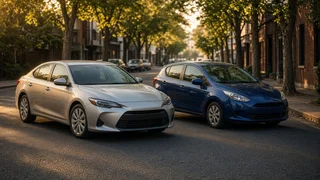
At a rental counter, an economy car is typically the smallest and least expensive category, and a compact car is the next step up. When buying, "compact" refers to a vehicle class based on interior space, while "economy car" is an informal description of an affordable, efficient car of any small size. Many compact cars are also economy cars. The terms overlap rather than exclude each other. The practical difference is usually rear-seat room, cargo space and a modest step in price. Fuel use and driving feel are often similar.
What "Compact Car" Means
In the US, the EPA groups passenger cars into size classes by combined passenger and cargo volume, measured in cubic feet. A compact car falls between 100 and 109 cubic feet. Below it are subcompacts at 85 to 99 cubic feet and minicompacts under 85. Above it are midsize cars at 110 to 119 and large cars at 120 or more.
This vehicle class is based on interior volume, not exterior length, weight or price. A compact can be a sedan, a hatchback or a coupe, so body configuration doesn't decide the class. A hatchback and a sedan from the same model line can even land in different classes, because the hatchback's open cargo area adds measured volume.
Compact cars typically have five seats, a front-engine, front-wheel-drive powertrain layout, and room for adults in the back on shorter trips. They are one of the most established market segments in the US and are often a household's main car, not just a budget choice.
What "Economy Car" Means
"Economy car" has no official size definition. It describes a car's purpose: low purchase price, low running costs and good fuel efficiency. Automakers, dealers, reviewers and rental companies all use the term, and they don't always mean the same thing.
In practice, economy cars are usually subcompacts or the smallest models a brand sells, often with small engines and basic trims. The term can also cover entry-level compact models, which is why the two categories blur together in everyday use.
Economy vs Compact Car at a Glance
Factor | Economy car | Compact car; What the term describes | Purpose and cost (affordable, efficient) | Size class based on interior volume; Official US definition | None | EPA class: 100–109 cubic feet combined passenger and cargo volume; Typical size | Subcompact or smallest in a lineup | One step above subcompact; Rear-seat room | Usually tighter | Usually more usable for adults; Cargo space | Smaller; often fine for one or two bags | Larger; better for luggage or regular hauling; Rental price | Usually the cheapest category | Usually slightly more than economy; Common body styles | Hatchback or small sedan | Sedan, hatchback, occasionally coupe; Fuel efficiency | Usually high | Often similar; depends on powertrain
If You're Renting a Car
This is where most people meet the compact vs economy car question. Rental companies use these as booking categories, not exact models. You reserve a class, usually described as a particular model "or similar," and the car you get depends on the fleet that day. Exact definitions vary between companies.
Choose economy if you're traveling alone or as a couple with light luggage, mostly driving in a city, and want the lowest rate. Choose compact if you have more than one large suitcase, will carry adults in the back seat, or face longer highway drives where a bit more space and stability help. If the price gap is small, compact is often worth it for the extra room. Before booking, check the company's category description for passenger and luggage guidance rather than relying on the name alone.
If You're Buying a Car
When shopping new or used, the economy label matters less than what the specific car offers. Focus on the measurable class, the actual interior dimensions and the costs of ownership.
Check the EPA size class and interior volume figures on the window sticker or in official listings to compare space directly. Compare fuel economy ratings for the exact powertrain, since a small engine, a larger engine and a hybrid version of the same model can differ noticeably. Look at the seating layout and rear legroom in person if you'll often carry passengers. Consider insurance, maintenance and expected resale value. These are part of real ownership cost, not just the sticker price. Keep model generation and trim in mind. A redesign can change a model's size, features and efficiency, so a used example may differ from the current version.
How to Choose by Situation
Situation | Better fit; Solo city commuting, tight parking | Economy (subcompact); Lowest possible rental rate, light packing | Economy; Regular rear-seat passengers | Compact; Family trip with luggage | Compact or larger; Mostly highway driving | Compact; Only car in the household | Compact, for flexibility; First car on a tight budget | Either; compare total ownership cost
Common Misunderstandings
"Compact means cheap." Compact is a size class. Well-equipped compact models can cost much more than basic versions of larger cars. "Economy cars always get better fuel economy." Smaller usually helps, but powertrain, transmission and driving conditions matter as much as size. Some compact hybrids are more efficient than conventional subcompacts. "Hatchbacks are a separate class." A hatchback is a body configuration. It can be a subcompact, compact or larger, depending on interior volume. "A rental 'compact' is a guaranteed size." Rental categories are approximate and vary by company and location.
The Bottom Line
An economy car prioritizes low cost and efficiency and is usually the smaller option. A compact car is a defined size class that typically offers more passenger and cargo room for a modest premium. For rentals, choose by people and luggage. For buying, compare the specific model's interior volume, fuel economy and total ownership costs rather than relying on either label.