Midsize vs Compact Cars: Differences and How to Choose
The short answer: a midsize car gives you more interior room, especially rear-seat legroom and trunk space, and usually a calmer, more relaxed ride on the highway. A compact car is easier to park and maneuver, typically costs less to buy and run, and often uses less fuel. The important qualification is that the labels are not fixed. Car classes are defined by interior volume rather than exterior length, manufacturers market models by segment, and cars tend to grow with each new model generation. A current compact can be roomier than a midsize car from years ago, so compare the specific models and model years you are considering rather than relying on the class name alone.
How compact and midsize cars are defined
In the US, the vehicle class used on fuel economy labels comes from the EPA, which sorts passenger cars by combined passenger and cargo volume measured inside the car. Under that system, a compact car has roughly 100 to 109 cubic feet of combined interior volume, a midsize car has roughly 110 to 119 cubic feet, and anything at 120 or above is considered large. For station wagons, the EPA uses separate size categories.
This matters for two reasons. First, the classification reflects usable space, not how big the car looks from outside. Second, it is separate from the market segment a manufacturer chooses for a model. A car sold and advertised as a compact can land in the midsize EPA class if its interior is generous, and the classification can change from one model generation to the next. When the distinction matters to you, the EPA size class shown on the window sticker or fuel economy listing for that exact model year is a more consistent reference than the marketing label.
Midsize vs compact car at a glance
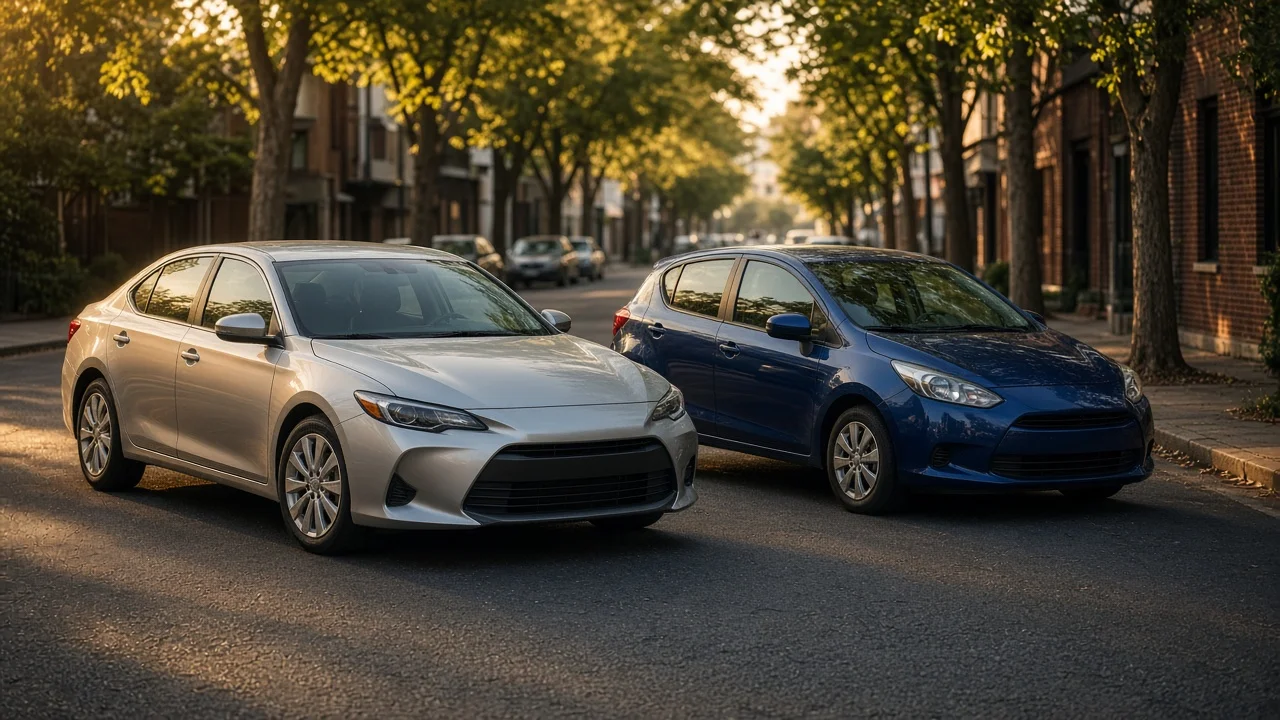
Factor | Compact car | Midsize car; Interior volume (EPA class) | About 100–109 cu ft passengers plus cargo | About 110–119 cu ft passengers plus cargo; Rear-seat space | Adequate for adults on shorter trips; can feel tight for tall passengers | Generally more legroom and shoulder room for adults; Trunk or cargo area | Smaller in sedans; hatchbacks add flexibility | Larger sedan trunks are common; Parking and maneuvering | Easier in tight spaces and city streets | Takes more room; turning and parking require more care; Highway comfort | Varies widely; some are refined, others noisier | Often quieter and more settled at speed; Purchase price | Usually lower within the same brand | Usually higher within the same brand; Fuel use | Often lower, depending on powertrain | Often somewhat higher, depending on powertrain; Body configurations | Sedan, hatchback, sometimes coupe | Mostly sedan; fewer hatchback and coupe options; Typical buyer | Commuters, city drivers, first-time and budget-focused buyers | Families, frequent highway drivers, those carrying adult passengers
These are tendencies, not rules. Trim level, powertrain and model generation can shift any of these comparisons, so a well-equipped compact may feel more upscale than a base midsize car from the same era.
Interior space and seating layout
Both classes usually share the same basic seating layout: two front seats and a rear bench rated for three. The difference shows up in how comfortably people actually fit. Midsize cars typically offer more rear legroom and a wider cabin, which makes three across in the back more tolerable and gives adults in the rear seat more room on long drives. In a compact, two adults in the back is often fine, but the middle position can be cramped and legroom depends heavily on how far forward the front seats are adjusted.
If you install rear-facing child seats, rear legroom becomes especially important, because those seats take up space and can force the front passenger seat forward. This is one of the most common practical reasons buyers step up from compact to midsize.
Cargo space and body configuration
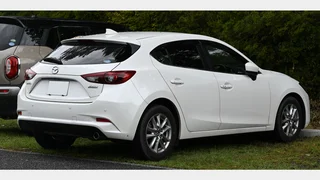
Body configuration can matter as much as vehicle class for cargo. A compact sedan has a separate trunk with a fixed opening, while a compact hatchback has a rear liftgate and an open cargo area that expands when the rear seats are folded. For bulky items such as strollers, sports equipment or flat-pack furniture, a compact hatchback can be more practical than a midsize sedan, even if the sedan has a larger trunk on paper.
Midsize cars in the US are mostly sold as sedans, with a deeper and longer trunk that suits luggage and regular family loads. Coupes, where offered, generally trade rear-seat access and cargo flexibility for style, regardless of class.
Driving, parking and comfort
A compact car's shorter length and narrower body make it easier to park, fit into tight garages and navigate crowded city streets. Many drivers also find smaller cars feel more agile and easier to place on the road.
A midsize car's longer wheelbase, meaning the distance between the front and rear axles, often contributes to a smoother, more stable ride on the highway, and midsize models are frequently tuned with more emphasis on quietness and comfort. For drivers who spend long stretches on interstates, that can reduce fatigue. The trade-off is a larger footprint in parking lots and garages.
Powertrain layout and performance
Most mainstream compact and midsize cars use a front-engine, front-wheel-drive powertrain layout, with all-wheel drive available on some models. Hybrid versions exist in both classes. Base engines in compact cars are generally tuned for efficiency, while midsize cars often offer a wider range of engine options, sometimes including more powerful choices. Because the midsize car is heavier, a similar engine can feel less lively in it than in a compact, so compare the specific powertrain rather than assuming one class is quicker.
Cost of buying and owning
Within the same brand, a compact car usually costs less than its midsize counterpart at a comparable trim level. Running costs also tend to favor compacts: lighter weight generally means better fuel economy for a given powertrain type, and smaller tires are often cheaper to replace. Insurance costs depend on many factors, including the specific model, your location and your driving record, so get quotes for the exact cars you are considering.
That said, a hybrid midsize car can use less fuel than a conventional gasoline compact, so powertrain choice can outweigh class when fuel cost is your main concern.
Safety considerations
Both classes are designed to meet the same federal safety standards, and many models in each class earn strong crash-test ratings. As a general physical principle, a larger and heavier vehicle tends to offer occupants more protection in collisions with other vehicles, all else being equal. In practice, structural design and driver-assistance technology vary by model and generation, so a well-rated compact can be a safer choice than a poorly rated midsize car. Check the crash-test results from independent and government testing for the specific model year you plan to buy.
Availability in the US market
Over the past decade, the US market segment for passenger cars has shrunk as many buyers moved to crossovers and SUVs. Several manufacturers have dropped sedans, particularly in the midsize segment, which means fewer choices than there once were. If you are shopping new, expect a narrower field of midsize sedans and compare them against compact options and small crossovers that may meet the same needs.
Which one should you choose?
Choose a compact car if you mostly drive alone or with one passenger, park in tight urban spaces, want lower purchase and fuel costs, or prefer a nimble feel. Choose a compact hatchback if you want a small footprint but need flexible cargo space for bulky items. Choose a midsize car if you regularly carry adults in the back seat, use rear-facing child seats, drive long highway distances, or want a larger trunk. Consider a midsize hybrid if you need midsize space but want fuel costs closer to a compact. If you are torn, sit in the rear seat of both cars with the front seat adjusted for the usual driver, and check whether your typical cargo fits in the trunk.
How to compare specific models
Because class labels shift across model generations and marketing segments, base your decision on the exact cars you are considering. Look at the EPA size class and combined interior volume for the specific model year, compare rear legroom and cargo figures from the manufacturer for the trim you want, and take an extended test drive that includes highway speeds and parking. Matching the car to how you actually drive and who rides with you will tell you more than the compact or midsize label ever will.