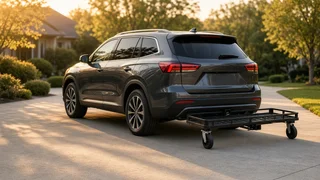
Coleman Hitch-Mounted Cargo Carrier
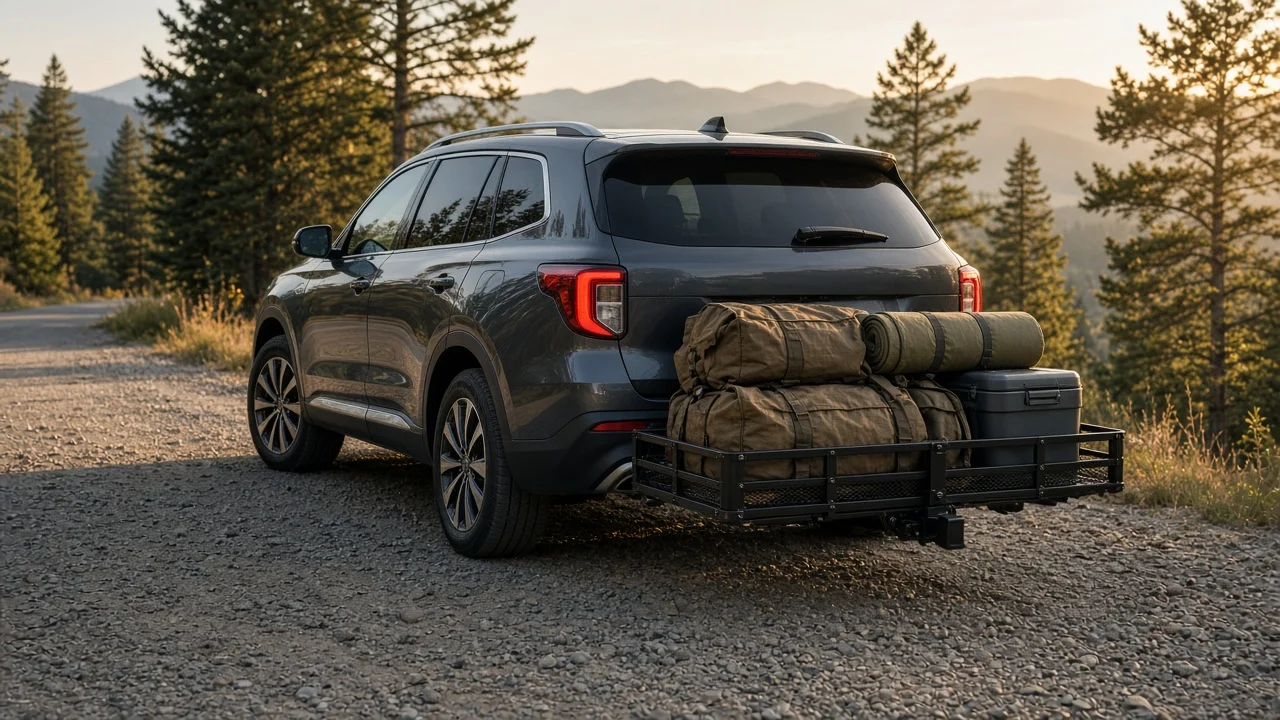
Choosing a hitch-mounted cargo carrier means balancing the gear you need to haul against the capacity of your receiver, the available clearance around the vehicle, and the durability of the platform itself. The Coleman Hitch-Mounted Cargo Carrier is typically evaluated for how the basket mounts into the receiver tube, what load it can support, and how it resists weather over time. This guide explains the critical checks that matter before purchase, including surface material, mounting points, clearance, load rating, corrosion protection, and product compatibility so you can make a practical choice for your trips.
The direct answer
The immediate answer is that a Coleman Hitch-Mounted Cargo Carrier can serve well for hauling luggage, coolers, or camping equipment when it matches the receiver size and tongue weight of your vehicle. The carrier slides into a square receiver opening, and the shank should fit snugly with minimal slop. That fit is not just about convenience; excessive movement at the mounting point can increase stress on both the basket and the hitch during acceleration or rough pavement. Confirming the receiver class is the first useful check because most carriers are designed around common two-inch or smaller receiver dimensions, and an adapter may change how far the platform protrudes.
The load rating creates a hard condition that changes the answer. Every hitch has a maximum tongue weight, which is often lower than the maximum trailer weight, and the carrier’s own rated capacity should be treated as a separate limit. The effective safe payload is the lower of those two numbers, minus the weight of the carrier itself. A carrier that looks substantial can still overload a light-duty receiver once gear is stacked on it. Checking how the load distributes across the mesh or rail floor matters too, because concentrated weight near the outer edge can apply more leverage and reduce stability even when the total appears within range.