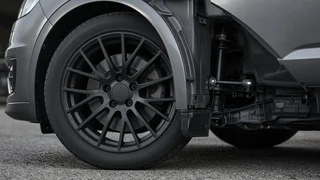
Circle Track Wheel Offset

Circle track racing makes wheel offset a critical setup tool rather than a cosmetic choice. On a dirt or asphalt oval, changing where the tire sits relative to the hub alters corner weight, steering feel, and clearance for wide tires. Offset is the distance between the wheel's mounting face and its centerline, usually described as positive, negative, or zero. Because circle track cars turn predominantly one direction, builders often choose different offsets side to side to improve grip, reduce scrub radius, and fit the tire within fender limits.
Essential answer
Circle track wheel offset describes how far the wheel's hub-mounting surface sits from the true centerline of the rim. A negative offset pushes the tire outward, away from the chassis, while a positive offset tucks the tire inward. Zero offset places the mounting face exactly on the centerline. This measurement works with rim width because a wider wheel shifts the tire's position even when the offset number stays the same, changing track width and how the contact patch loads during cornering.
On an oval, offset is often used asymmetrically. The right-side wheels may run more negative offset to help the car turn left, while the left side may use less negative or even positive offset to manage clearance and weight transfer. Offset also influences steering effort through scrub radius, the distance between the tire's centerline and the steering axis. Altering that distance changes feedback, bump steer tendencies, and how hard the driver works through a long green-flag run. Bolt pattern and tire compatibility stay separate but must still match the hub and intended racing tire.