Choosing Replacement Parts for a Truck Bed Cover
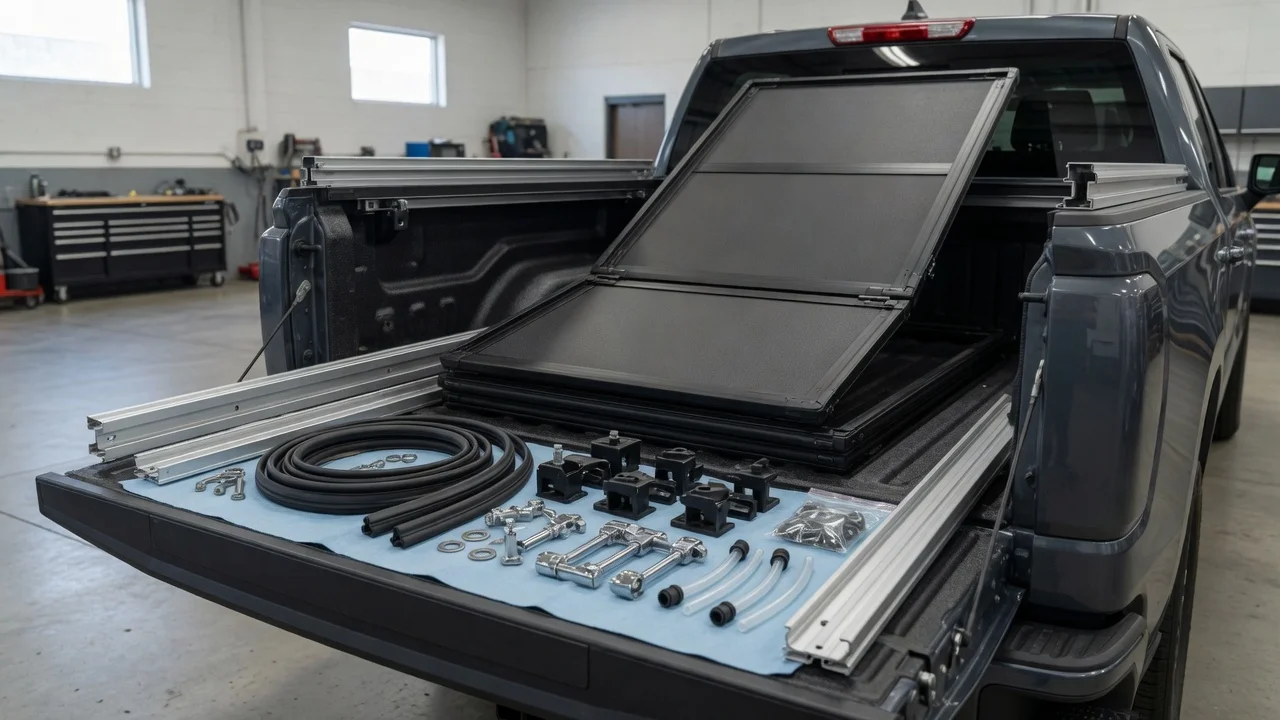
Start with the cover identity and the failed part
Replacement parts for a truck bed cover are almost always specific to the cover brand, model, and generation, and they also have to match the truck’s make, model year, and bed length. Order from that identity first. A clamp, seal, latch, rail, panel, motor, or canister that looks similar on another cover often will not bolt up, seal, or cycle correctly on yours. If the cover still has a label, owner’s packet, or stamped part number on a rail, canister, or underside panel, use that number with the truck details when you search or call a dealer. If those marks are gone, photograph the mounting style, rail profile, latch hardware, and any logos before you buy.
Match the part to the cover design
Bed covers, often called tonneau covers, use different structures, so the wearable parts differ. Confirm the design before treating a listing as interchangeable.
Soft roll-up covers commonly need replacement vinyl or fabric, tension adjusters, rear bars, snaps or hook-and-loop strips, side rails, and clamps. Soft folding and hard folding covers commonly need hinge hardware, panel or slat sections, latches, bulkhead and tailgate seals, and rail clamps. A damaged panel on a folding cover is often sold as a section rather than a full kit. Retractable covers, including manual and powered units, commonly need rails, canister parts, slats, drive belts or cables, drain tubes, end caps, and, on powered versions, a motor or switch. These internals are usually model-specific. One-piece hinged covers commonly need gas struts or props, hinge pins, locks, and perimeter seals. Strut force and length have to match the cover’s weight and mounting points. Snap, stake-pocket, and rail-mounted systems depend on the original attachment method. Mixing a clamp-on rail with a stake-pocket cover, or the reverse, will not restore a weathertight mount.
Compatibility details that change the order
Truck bed covers are sold by bed length and body style. A part that fits one generation of the same truck name can miss holes, rail height, or tailgate shape on another year. Keep these points tied to the actual vehicle and cover, and treat unresolved differences as a reason to pause.
Make, model, model year, and cab or bed configuration, including short, standard, or long bed and any dual-rear-wheel or aftermarket bed change. Cover brand, model name, and production generation. Mid-cycle updates often change rail extrusion, clamp shape, or motor connectors while keeping the same marketing name. Mounting method: clamp-on rails, bolt-on brackets, stake-pocket mounts, or a track shared with a tonneau and a rack. Hardware from one method will not secure the other. Left versus right rails, front versus rear seals, and driver versus passenger latches. Many of these are handed and are easy to reverse in a listing photo. Powered covers need matching voltage, connector shape, and controller. A motor that physically sits in the canister can still fail to communicate with the original switch. Market and trim differences matter when the cover was a factory option. An unresolved gap between a North American OEM cover and an accessory-brand cover with a similar look is a fitment risk.
What to inspect before you commit to a purchase
Suitability depends on intended use, remaining cover condition, true compatibility, and the all-in cost of getting the cover working again. A single worn seal or clamp is a straightforward repair when the rest of the cover is sound. A cracked canister, stretched drive system, rotten vinyl, or a cover whose rails no longer match a modified bed can make a full replacement the cleaner choice.
Confirm the failed component. Water in the bed can come from a crushed tailgate seal, a clogged drain tube, a warped rail, or a torn cover skin. Replacing the wrong piece leaves the leak in place. Inspect related wear. Rails that have shifted, clamps that have crushed the bed rail cap, and hinges with play will keep a new seal from sitting flat. Check remaining service life of the cover body. Faded but intact hard panels are often worth repairing. Soft covers with widespread cracking, delaminated slats, or a bent canister usually are not. Ask whether the part is genuine to that cover line, a listed-compatible aftermarket piece, or used take-off hardware. Used rails and canisters need photos of mounting holes, extrusion ends, and corrosion. Ask how the seller verified fitment: cover part number, truck year range, bed length, and any excluded trims. A listing that only names a truck model is incomplete. Account for installation. Clamps, seals, and some latches are owner-serviceable with basic hand tools. Rails, canisters, motors, and full vinyl skins may need two people, rail realignment, or a shop. Include labor if you will not install it yourself. Check warranty and finish effects. Opening a sealed canister or drilling a bed rail can affect cover or truck corrosion coverage; confirm that with the cover maker or the truck dealer before cutting or drilling. Compare the quoted part plus shipping, tax, and labor with the cost of a complete cover that fits the same truck. Current street prices were not supplied for this article, so treat any figure you see as needing a date, market, currency, and a clear split between advertised list price and a completed sale.
Ownership and use that should steer the choice
Daily drivers that need weather protection benefit most from intact seals, drain tubes, and latches that still pull the cover tight to the tailgate. Work trucks that carry tall cargo need a cover that still folds or rolls fully out of the way after the repair; a replacement panel that restores strength but binds the fold will frustrate that use. Security-minded owners should restore working locks and rigid panels rather than only cosmetic skins. If the truck already wears a bedliner, rail cap, toolbox, or rack, the replacement hardware has to clear those accessories the same way the original did.
Information that is still missing until you check
This guidance does not include verified prices, part numbers, torque values, seal dimensions, or test data for any brand. Those figures change by model year, market, and seller, and they have to come from the cover manufacturer, a dealer with the truck’s VIN and cover serial, or a current invoice. If two sources disagree on year range, bed length, or left/right orientation, treat compatibility as unresolved and do not order until that conflict is cleared.