Choosing an Off-Road Recovery Vehicle: What to Check Before You Buy
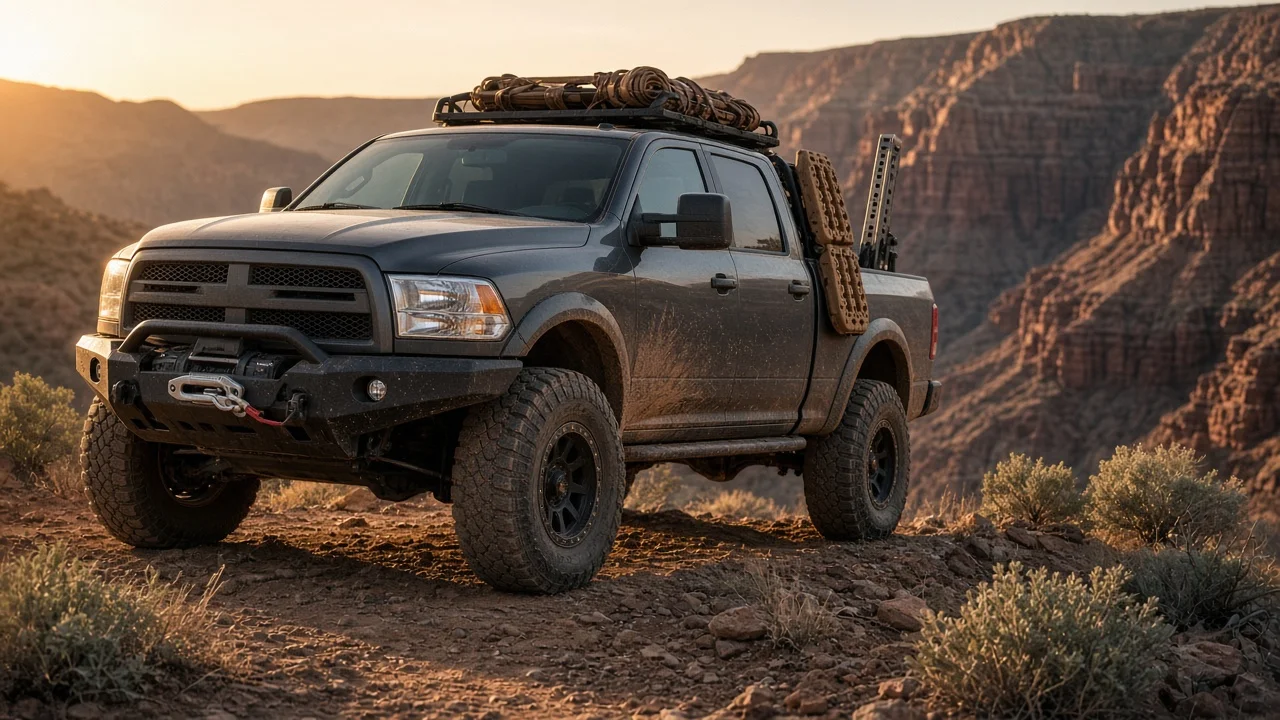
A good off-road recovery vehicle reliably reaches a stuck or disabled vehicle on the terrain you actually face, then pulls it free without damaging either vehicle. For most private owners, clubs and trail volunteers, that means a body-on-frame four-wheel-drive pickup or SUV with low-range gearing, at least one locking differential, light-truck tires, frame-mounted rated recovery points and a properly mounted winch. Two conditions change the answer. If you plan to recover vehicles for paying customers, licensing, insurance and equipment rules apply, and they usually push you toward heavier, commercially rated equipment. If your recoveries happen mostly on tight wooded trails or soft sand, a lighter, narrower vehicle with excellent traction may outperform a heavier truck.
What an off-road recovery vehicle needs to do
Recovery work asks more of a vehicle than ordinary off-roading. The vehicle must reach the stuck one, often on the same poor surface that trapped it. It must then stay planted while a winch or strap loads it heavily, and it must carry enough gear to handle the job. Every specification on this list matters because it supports one of those three tasks: getting there, holding position and pulling safely.
Keep this distinction in mind when comparing off-road recovery vehicles. A rig built for rock crawling or a trophy truck built for speed may look capable, but it was not necessarily designed as a stable anchor point or a gear carrier. Judge each candidate against recovery tasks, not general off-road reputation.
Core specifications to prioritize
Drive configuration and gearing
Drive configuration describes how engine power reaches the wheels. For recovery work, look for true four-wheel drive with a two-speed transfer case. A transfer case splits power between the front and rear axles, and its low-range setting multiplies torque so the vehicle can creep slowly and pull steadily without overheating the clutch or transmission. Many all-wheel-drive crossovers lack low range, which limits them for this job even if they handle snow well.
Part-time four-wheel drive, which locks the front and rear axles together, is simple and strong on loose surfaces. Full-time systems with a lockable center differential offer more flexibility on mixed surfaces. Either can work. What matters is that the system offers low range and a way to lock power delivery when traction gets uneven.
Traction aids
An open differential sends power to the wheel with the least resistance, so one spinning wheel can leave you stuck. Locking differentials force both wheels on an axle to turn together, which keeps you moving when a wheel lifts or sits on a slick surface. A rear locker is the most common factory or aftermarket upgrade. A front locker adds further capability but can make steering heavy and should be used selectively.
Electronic traction control that brakes a spinning wheel helps, and some modern systems are quite effective. Mechanical or selectable lockers remain more predictable for slow, heavy pulls. Check exactly what each trim offers, because locker availability often differs by model year, trim level and option package even within the same nameplate.
Tire specification
Tires are where traction actually happens, and they are among the most important choices on any recovery vehicle. Light-truck (LT) tires with a higher load range have stiffer, more puncture-resistant sidewalls than passenger tires. That matters when you air down for traction on sand, mud or rock, and when the vehicle carries the weight of a winch, bumper and gear.
Match tread pattern to terrain. All-terrain tires suit mixed use and daily driving. Mud-terrain tires clear thick mud better but wear faster, ride louder and can perform worse on ice. Larger tires add ground clearance but also add stress to axles, brakes and steering components, and they can affect speedometer accuracy and gearing. If a used vehicle runs oversized tires, check whether the axle gearing was changed to match.
Ground clearance and approach angles
Ground clearance is the distance between the lowest point of the vehicle and the ground. Approach, breakover and departure angles describe how steep an obstacle the front, middle and rear can clear without contact. Recovery vehicles often get positioned on awkward ground to achieve a straight pull, so clearance protects the underside while you set up.
Quoted clearance figures often vary by how they were measured, which tires were fitted and whether the vehicle was loaded. When comparing models, confirm that figures come from the same trim and tire size, and treat small differences as less important than the shape of the underside. Exposed differentials, low-hanging exhausts and unprotected fuel tanks matter more than a fraction of an inch on a spec sheet.
Weight, wheelbase and stability
Weight works both for and against a recovery vehicle. A heavier vehicle resists being dragged toward the stuck one during a winch pull and can apply a strong straight-line pull with a strap. The same weight sinks faster in mud and sand, strains bridges and trail structures and makes the vehicle itself harder to recover if it gets stuck.
Wheelbase involves a similar trade-off. A longer wheelbase is more stable on climbs and carries more gear but has a worse breakover angle and turns less tightly on narrow trails. A shorter wheelbase maneuvers well but can feel less planted under load. Choose based on the vehicles you expect to recover and the trails you use.
Recovery points and mounting structure
Recovery points are the anchors you attach straps, shackles and winch lines to. They must be rated for recovery loads and bolted to the frame, not to bumper covers or thin sheet metal. Many factory tie-down loops are intended for shipping, not recovery, and can fail under a dynamic load. Before buying, identify exactly what each point is designed for, front and rear.
A body-on-frame vehicle, where the body sits on a separate ladder frame, generally offers better places to mount winch bumpers and rated points than a unibody design. That is one reason pickups and traditional SUVs dominate recovery use. If a used vehicle already has aftermarket bumpers, check the manufacturer, the mounting method and whether the frame horns show cracks, bending or crude welding.
Winch capacity and electrical system
A common rule of thumb is to choose a winch rated well above the weight of the heaviest vehicle you expect to recover, because mud, inclines and suction add resistance far beyond the vehicle's static weight. Winch ratings typically assume a single layer of line on the drum, and pulling power drops as more line wraps on. Snatch blocks can multiply pulling force when needed.
Electric winches draw heavily on the battery and charging system. A vehicle that will winch often benefits from a high-output alternator, a healthy battery or dual-battery setup and properly sized cabling. Hydraulic winches, found on some heavier vehicles, rely on the engine or power steering system and suit sustained use, but they are less common and more complex to retrofit.
Payload, cooling and durability
Recovery gear adds up quickly: winch, steel bumper, straps, shackles, snatch blocks, traction boards, a jack, a shovel, an air compressor and spares. Check the payload rating, found on the door-jamb sticker, and subtract the weight of the gear and passengers you plan to carry. Exceeding the gross vehicle weight rating stresses suspension, brakes and axles.
Slow, heavy pulls in low range generate heat. A vehicle with a robust cooling system, transmission cooler and solid axles or strong independent front components will tolerate repeated recoveries better than one designed mainly for road comfort.
Match the vehicle to your terrain
Terrain should shape your priorities more than any single specification. The table below summarizes what tends to matter most on each surface.
Terrain | Top priorities | Common trade-off; Mud and clay | Mud-terrain or aggressive all-terrain tires, lockers, winch, good clearance | Heavy vehicles sink; tires wear faster on pavement; Sand and dunes | Wide tires aired down, strong flotation, moderate weight, air compressor | Excess weight and narrow tires dig in; Rock and steep trails | Low-range gearing, lockers, underbody protection, articulation, short overhangs | Long wheelbase struggles with breakover; Snow and ice | Appropriate tread or chains, controlled traction, cold-weather electrical capacity | Mud-terrain tires may grip poorly on ice; Forest and narrow trails | Compact size, tight turning, good approach angles, winch for tree anchors | Smaller vehicles carry less gear; Mixed and long-distance | All-terrain tires, payload capacity, reliability, fuel range | Compromise performance on any single surface
Comparing vehicle types for recovery work
Most buyers choose among a few vehicle categories. Specific capabilities vary by model year, trim and powertrain, so use this comparison to narrow the field, then check exact specifications for each candidate.
Vehicle type | Strengths for recovery | Limitations; Midsize body-on-frame pickup | Maneuverable, good aftermarket support, bed for gear, reasonable weight | Less mass for straight pulls; payload can fill quickly; Full-size half-ton pickup | More weight and payload, strong frames, wide parts availability | Wider and longer on tight trails; often independent front suspension; Heavy-duty pickup | High payload and towing ratings, durable drivetrains, suited to frequent heavy work | Very heavy in soft terrain, large turning circle, higher running costs; Body-on-frame SUV | Enclosed secure storage, often shorter wheelbase, good off-road trims available | Less open cargo space; interior gear needs secure tie-downs; Side-by-side UTV | Light, narrow, excellent on tight trails and soft ground | Limited pulling mass and gear capacity; road legality varies by state; Purpose-built recovery rig | Configured specifically for recovery, often with upgraded axles and winches | Modification quality varies widely; may be harder to insure, register or resell
Conditional recommendations by use case
Trail club or group runs on mixed terrain: a midsize or full-size body-on-frame pickup or SUV with low range, a rear locker, LT all-terrain tires and a front winch bumper covers most situations. Frequent heavy recoveries of full-size trucks: a full-size or heavy-duty pickup gives more mass and payload, provided the trails are wide enough and the ground is firm enough to support it. Sand-heavy regions: prioritize flotation, an onboard air compressor and moderate weight over maximum size. Tight wooded or rocky trails: favor a shorter wheelbase, strong underbody protection and lockers; a capable UTV can work where permitted and when the vehicles being recovered are light. Paid recovery or towing work: confirm state and local licensing, commercial insurance and equipment requirements before choosing a vehicle, because they can rule out otherwise capable options.
Checks before you commit to a used vehicle
Many off-road recovery vehicles are bought used, often already modified. Hard use is the norm in this category, so inspection matters more than mileage alone.
Frame condition: look for rust, cracks, bends and repair welds, especially near recovery points, winch mounts and spring hangers. Four-wheel-drive operation: engage high range, low range and every locker on a test drive, and listen for grinding, clunks or delayed engagement. Axles and differentials: check for leaks, worn seals, bent housings and signs of overheating. Steering and suspension: inspect tie rods, ball joints, bushings and steering stabilizers, which wear faster with larger tires and lifts. Winch and electrical: test the winch under light load, inspect the line or rope for fraying and kinks, and check wiring and battery condition. Modification quality: ask who installed lifts, bumpers and lockers, request receipts and check whether alignment and gearing were corrected afterward. Recovery points: confirm every point is rated and frame-mounted rather than decorative. Registration and compliance: confirm the vehicle as modified can pass inspection and is legal for road use in your state. Insurance: ask your insurer how modifications and any intended recovery use affect coverage. Pre-purchase inspection: have an independent mechanic familiar with four-wheel-drive vehicles inspect it, ideally on a lift.
Total ownership costs to budget for
The purchase price is only part of the cost. A stock four-wheel-drive vehicle usually needs equipment before it is ready for recovery work, and a modified vehicle needs ongoing maintenance on the added components.
Tires: LT and mud-terrain tires usually cost more and may wear faster than standard tires. Winch, bumper and mounting hardware, plus professional installation if needed. Recovery kit: rated straps, soft or steel shackles, snatch block, traction boards, gloves, tree saver and a winch line dampener. Air compressor and tire deflation tools for airing down and back up. Electrical upgrades such as a second battery or higher-output alternator. Increased fuel consumption from weight, larger tires and aerodynamic changes. More frequent fluid changes for differentials, transfer case and transmission after hard use. Insurance changes for modifications or commercial use.
Prices for vehicles and equipment vary widely by region, condition and timing. When you compare prices or ownership estimates, note the market, the date, the currency and exactly what is included. Asking prices in listings often differ from what vehicles actually sell for, so use completed sales where you can find them. For modified vehicles, buyers rarely recover the full cost of aftermarket parts at resale, which can make a well-built used rig good value if its condition checks out.
Next steps
Start by writing down the terrain you recover on, the heaviest vehicle you expect to pull and whether any of the work will be paid. Use those answers to pick a vehicle category, then shortlist specific model years and trims that offer low range, the lockers you need and suitable payload. Compare specifications only between matching trims and tire sizes, inspect used candidates closely, and budget for tires, a winch, rated recovery points and gear before deciding what you can afford to spend on the vehicle itself.