Choose GL-5 80W-90 gear and differential oil
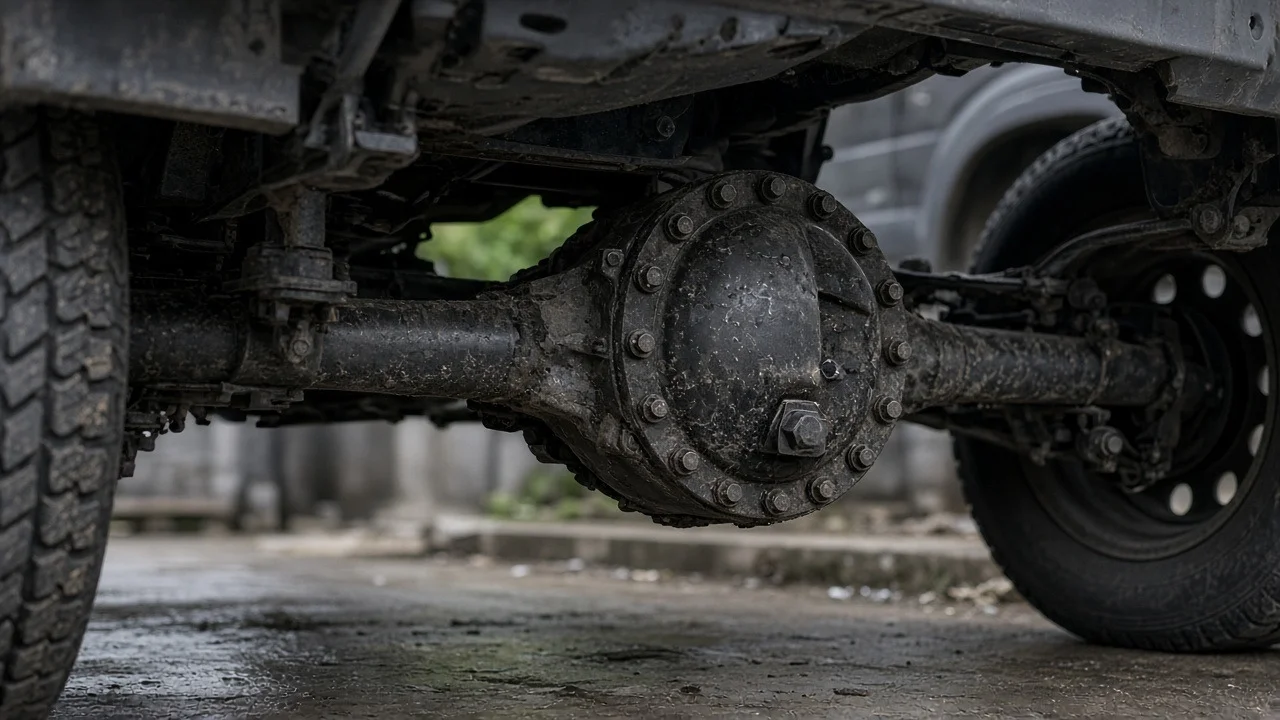
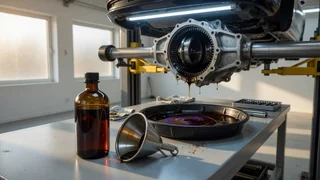
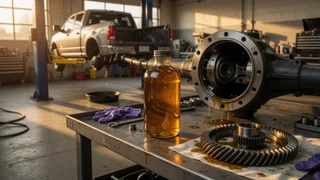
The right GL-5 80W-90 gear oil protects hypoid differentials, manual transmissions, and transfer cases under severe sliding and shock loads. GL-5 describes the extreme-pressure additive package, while 80W-90 describes viscosity at cold and hot operating temperatures. This grade is a common choice for older axles, service fills, and equipment where manufacturers list an 80W-90 oil that meets API GL-5. Because hypoid gears create high tooth pressures, choosing a lubricant that actually carries the GL-5 service designation matters more than brand color or bottle wording. Differential oil hypoid super GL-5 80W-90 products are marketed around that protection.
The direct answer
Choose an API GL-5 80W-90 gear oil when the owner’s manual, axle tag, or transmission data plate calls for that service category and viscosity. GL-5 lubricants are formulated for hypoid gears where the pinion sits below the axle centerline, producing high wiping pressures and sliding contact that require extreme-pressure additives. A fluid carrying the GL-5 service designation is intended for those loads, while an 80W-90 multigrade balances flow during cold starts with adequate film thickness at operating temperature.
The immediate choice is not simply the cheapest GL-5 bottle. Confirm that the product states the API GL-5 service level and the SAE 80W-90 viscosity plainly on the label. If the axle uses a limited-slip differential, you may need a lubricant already containing the required friction modifier or one that is compatible with a modifier added separately. That condition changes the final selection and should be checked before draining the old fill.
Choosing and buying
Start with equipment identification before comparing containers. Read the fill plug tag, differential cover stamp, or drivetrain section of the service literature for the required lubricant specification and fill quantity. GL-5 is a performance level, not an approval; manufacturer-dependent codes and limited-slip requirements still need vehicle-specific confirmation. A bottle marked only “gear oil” without GL-5 or an SAE viscosity should not be treated as an equivalent substitute.
When buying, check the label for the full description: API GL-5, SAE 80W-90, and any stated compatibility with yellow metals or limited-slip clutches if your unit requires it. Buy enough fluid for the specified fill quantity plus a small reserve for level correction, but do not use the reserve as a reason to skip a proper level check. The purchase decision should also account for whether the axle has a drain plug or will require a suction tool for a clean refill.
Comparing alternatives
Compare GL-5 80W-90 products on shared criteria: clear GL-5 service designation, 80W-90 SAE rating, conventional or synthetic base stock, and any friction-modifier note for limited-slip axles. A conventional and a synthetic 80W-90 can meet the same viscosity grade, but the synthetic may flow better in very cold climates and resist high-temperature thinning in sustained towing. For a lightly loaded axle used in moderate weather, the difference may not justify a higher price.
The type of differential changes the comparison more than brand. An open differential generally accepts a standard GL-5 80W-90 fill. A limited-slip or locking unit may chatter on tight turns if the fluid does not contain the correct friction-modifier chemistry, so a product labeled for limited-slip use can be the safer conditional choice. For a commercial truck or off-road vehicle running high pinion loads, a fluid advertised as differential oil hypoid super GL-5 80W-90 is evaluated by the same service and viscosity claims rather than by marketing terms alone.