Chevy Traverse Battery Saver Active Warning: What It Means and What to Check
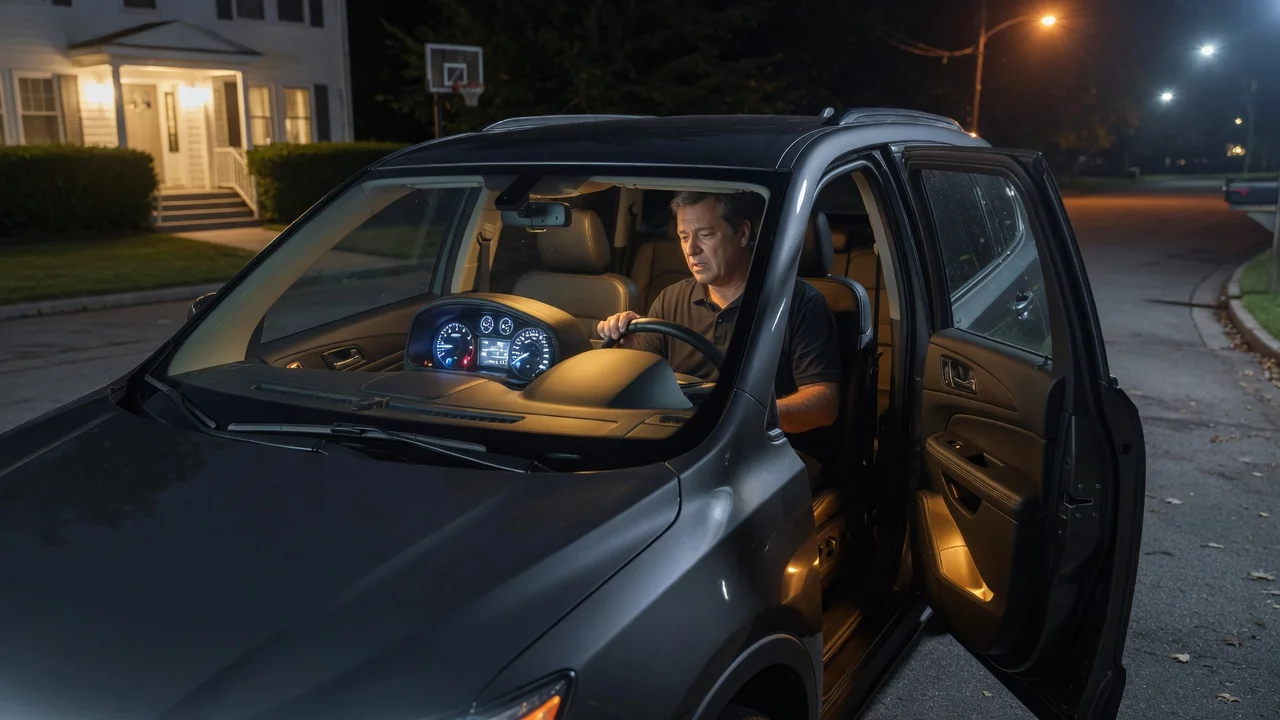
A Battery Saver Active message on a Chevrolet Traverse means the vehicle's electrical power management has detected low battery charge or voltage and is reducing electrical demand to protect the battery and keep the engine able to start. The message is a warning that the battery is not being kept at a healthy charge. It does not identify a specific failed part. A weak battery, a poor connection, a charging problem, a battery sensor fault or a parasitic drain can all produce the same message.
The short answer
When this message appears, the Traverse is usually still safe to drive for a short distance. Treat it as a prompt to test the battery and charging system soon rather than as an emergency. While the message is active, you may notice some comfort and convenience features working at reduced output or switching off. Depending on the vehicle, these can include heated seats, the rear window defogger, HVAC blower speed or infotainment functions. The engine may also idle slightly higher to increase charging.
One qualification changes the advice. If Battery Saver Active appears together with a battery or charging-system warning light, a Service Battery Charging System message, dimming lights, or several electrical features failing at once, the charging system may not be supplying power. In that case the vehicle can run down the battery and stall. It should be checked before you continue normal driving.
Scope and gaps in this guide
The Traverse has been built in several generations: roughly 2009 to 2017, 2018 to 2023, and 2024 onward. Battery type, the use of engine auto stop/start, the exact list of features that load shedding disables, and the post-replacement procedures can all differ by model year and equipment. No model-year-specific service data, technical service bulletins or measured test results were available for this guide. The checks below are general diagnostic steps for this kind of warning, not a factory procedure for a particular Traverse. Use your owner's manual and a dealer or qualified technician to confirm details for your vehicle.
What could cause the message
Aging or weak battery: a battery near the end of its life may not hold a charge, especially in cold or very hot weather. Loose or corroded battery terminals or ground connections: high resistance at a connection can look like low battery voltage to the vehicle and can also prevent proper charging. Short trips and long parking periods: frequent short drives with heavy electrical use, or a vehicle that sits for days, may never fully recharge the battery. Charging system fault: a failing alternator, a slipping drive belt, or a wiring problem in the charging circuit can leave the battery undercharged. Battery current or monitoring sensor issue: many GM vehicles use a sensor at the battery to estimate state of charge. A faulty or disconnected sensor, or one that has not relearned after a battery change, can trigger the message even when the battery is healthy. Whether and how this applies depends on the model year. Parasitic drain: a module, light, or accessory that stays powered after the vehicle is shut off can drain the battery overnight. Incorrect replacement battery: if your Traverse came with an AGM battery, which is common on vehicles with auto stop/start, a conventional flooded battery may not suit the charging strategy.
Checks to do next
Work from the simplest and least invasive checks toward the more involved ones. If you are not comfortable working around a battery, a parts store or repair shop can perform battery and charging-system tests.
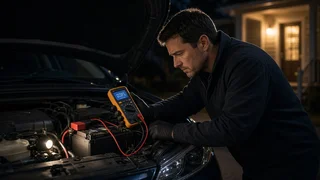
1) Note the conditions: whether the message appears at startup, while driving, after sitting overnight, or only in cold weather, and whether any other warnings appear at the same time. 2) Inspect the battery and cables with the engine off: look for white or green corrosion, loose clamps, damaged cables, or a swollen or leaking battery case. 3) Check the battery's age: look for a date label on the battery or check your service records. 4) Have the battery load tested or tested with a conductance tester. This tells you more than a simple voltage reading. 5) Check resting voltage with a multimeter after the vehicle has sat with the engine off for a few hours. 6) Check charging voltage with the engine running. A reading that never rises above resting voltage suggests a charging problem. 7) If the battery tests well and charging appears normal but the message keeps returning after the vehicle sits, have a technician perform a parasitic draw test and scan the vehicle's modules for stored codes.
As a general lead-acid reference rather than a Traverse specification, a fully charged 12-volt battery at rest commonly reads about 12.6 volts. Readings around 12.2 volts or lower usually indicate a significantly discharged battery. Be careful when interpreting running voltage on GM vehicles. Many use variable charging control that intentionally lowers charging voltage at times, so a single moderate reading while driving is not proof of a fault. A technician with a scan tool can compare commanded and actual charging output.
What the results indicate
Result | What it suggests | Next step; Battery fails a load or conductance test | Battery has lost capacity | Replace with the type and size specified for your model year; Corroded or loose terminals found | Poor connection may be causing false low readings or poor charging | Clean and tighten the connections, then retest; Battery tests good, low resting voltage after sitting | Possible parasitic drain or insufficient charging from short trips | Charge fully, then have a draw test performed if it recurs; Running voltage no higher than resting voltage | Charging system may not be working | Have the alternator, belt and charging wiring tested promptly; Battery and charging test good, message persists | Possible battery sensor, wiring or module issue | Scan for codes and check for applicable software updates or bulletins; Message began after a battery replacement | Wrong battery type or monitoring system not reset | Confirm battery type and ask whether a relearn or reset is required
If a scan reveals a diagnostic trouble code, treat it as a lead for further testing, not as proof that a specific part has failed. A code pointing to the battery sensor circuit, for example, can come from a wiring or connection fault rather than the sensor itself.
When to stop driving or get professional diagnosis
A battery or charging warning light, or a Service Battery Charging System message, appears alongside Battery Saver Active. Headlights or instrument lights dim, gauges behave erratically, or several systems lose power at once. You notice a burning smell, smoke, hissing, or a hot, swollen, or leaking battery. The engine stumbles, stalls, or is difficult to restart. The message keeps returning after the battery has been charged or replaced and the connections are confirmed good.
In any of these situations, park safely and arrange diagnosis rather than relying on the remaining battery charge to get you home. For an ordinary Battery Saver Active message with no other symptoms, reduce unnecessary electrical loads, avoid repeated short trips, and have the battery and charging system tested at the earliest opportunity.