Chevy Traverse Battery Saver Active warning
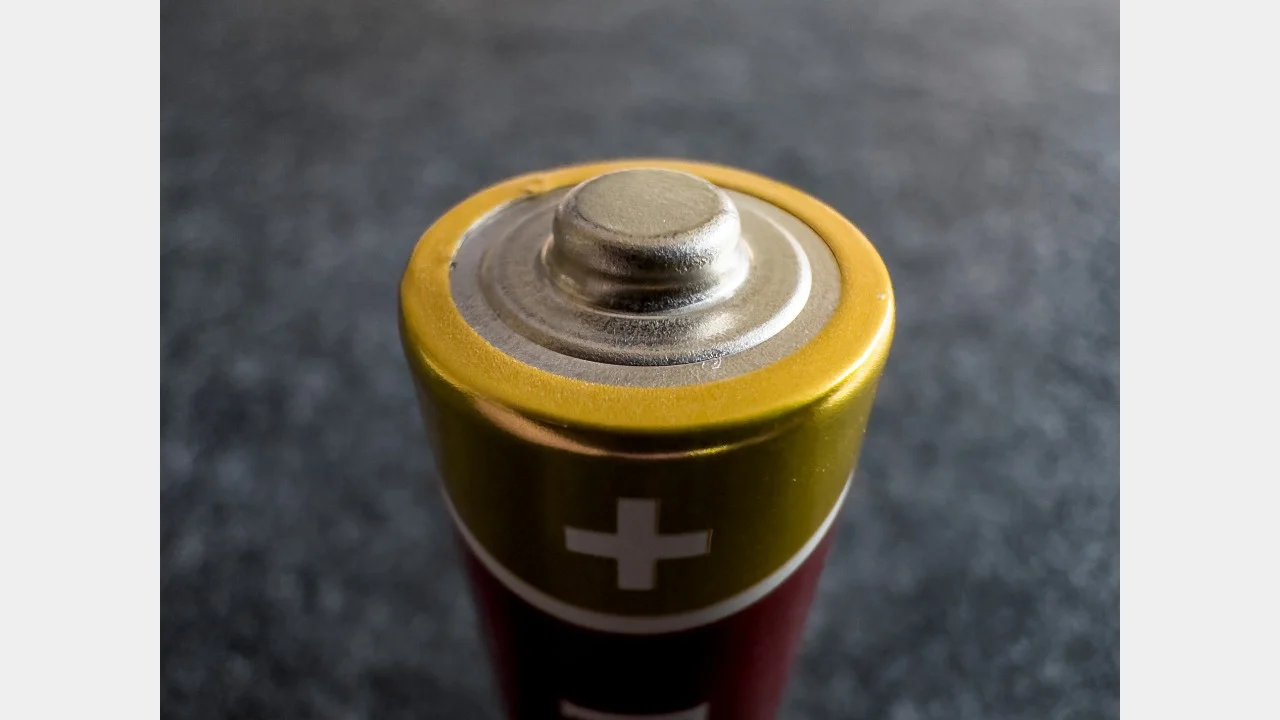
A Chevy Traverse Battery Saver Active message can appear when the vehicle detects that system voltage has fallen enough to threaten reliable starting or continued accessory operation. The warning is a protective response, not a diagnosis by itself. It means the body control system is reducing or shutting off nonessential electrical loads to preserve whatever charge remains. Owners often notice the message after short trips, extended parked periods, or when charging output is limited. Understanding this warning helps separate normal load-shedding behavior from conditions that point to battery terminals, connections, or charging concerns.
Essential answer
The Chevy Traverse Battery Saver Active warning is a load-management message rather than a direct statement that a specific component has failed. When the charging system cannot maintain target voltage under the current electrical demand, the vehicle may begin switching off or delaying selected consumers. This can include infotainment functions, auxiliary power, heated accessories, or interior lighting. The system acts to keep enough reserve in the 12-volt battery for the next start. Seeing the message does not prove the battery is bad, but it does show that system voltage has entered a range where the vehicle is actively protecting itself.
In practice, the warning can appear during normal operation if demand briefly exceeds charging output at idle or during heavy accessory use. It may also appear after the ignition is on for a while without the engine running. The message should clear after driving raises charging output and the battery recovers. If it appears frequently during steady driving or immediately after a full drive, the condition is less likely to be routine load shedding and more likely related to stored charge, wiring resistance, or the ability of the charging system to maintain voltage.
Diagnosing a problem
A useful first check is visual observation of the battery terminals and cable ends. Corrosion, a loose clamp, or a swollen cable can introduce a voltage drop that makes the control module see lower voltage than the battery actually has. If the connection is poor, the Battery Saver Active message may appear even when the battery itself has usable charge. Cleaning and securing terminals may restore a more stable electrical path, but the repair must confirm that the cable is tight on the post and that the connection is clean rather than merely shiny on the surface.
A second step is observing when the message appears and what loads are active. If the warning follows extended use of high-demand accessories with the engine off, that is consistent with a deliberate protection strategy. If it appears during highway driving with few accessories on, the condition suggests checking charging output and the possibility of parasitic draw when the vehicle is parked. Manufacturer-dependent codes or Traverse-specific behavior should be confirmed with vehicle-specific service information, because similar warnings can be triggered by different calibrated thresholds.