Chevy Silverado 1999-2006 Trailer Brake Controller Wiring and Installation
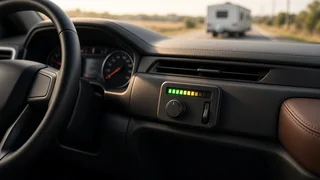
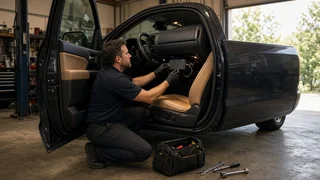
Adding trailer brake control to a 1999–2006 Chevy Silverado turns a factory towing setup into a predictable, balanced stopping system. These trucks left the assembly line with several pieces already in place, but the controller, adapter harness, and connection point must be confirmed by model year and cab configuration. The job is less about cutting factory wiring and more about identifying the correct blunt-cut leads or plug, then making a clean installation that sends a controlled signal from the brake pedal to the trailer’s electric brakes. Understanding how that signal reaches the rear connector helps avoid miswired stops and weak trailer braking.
Essential answer
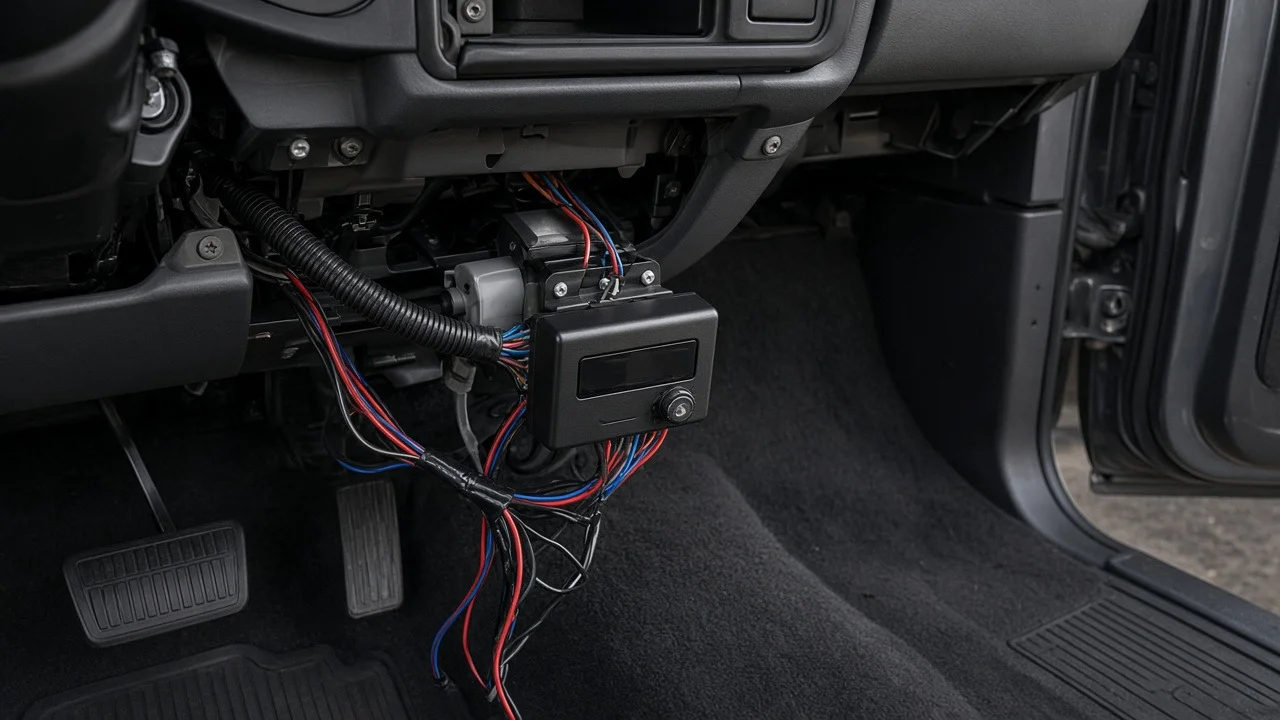
The essential answer is that a 1999–2006 Silverado can support a trailer brake controller, but the connection method depends on the factory tow package and model year. Many trucks have a dedicated blunt-cut harness under the dash near the steering column, while others use a plug-in port that accepts an adapter lead. The 2004 Chevy Silverado trailer brake controller wiring commonly follows the blunt-cut style, and a 2006 Silverado trailer brake controller install may use a more standardized connector. Confirming the wire colors and pin positions before connecting prevents a feedback path into the brake light circuit.
The controller itself is not a replacement for the truck’s hydraulic brakes. It reads brake pedal input and sends a proportional voltage to the trailer brakes, so the trailer helps slow its own weight. Installing it on a 2003 Chevy Silverado trailer brake controller wiring setup means locating the brake switch signal, a fused 12-volt source, a ground, and the output wire to the rear seven-way connector. Those wires may already be present near the fusebox or taped inside the dash, which is why the job is often an integration task rather than a complete rewire.
Once the controller is connected, the trailer-side portion still deserves attention. The signal travels through the truck’s seven-pin socket and into the trailer’s electric brake circuit, where voltage at the brake magnets creates stopping force. Poor connections at the socket or worn trailer brake magnets can feel like a controller problem, even when the Silverado wiring is correct. Testing the output at the rear connector with a trailer simulator or the trailer connected gives a more useful result than simply watching the controller illuminate.
A clean installation also respects the relationship between the controller output and the truck’s brake system. The controller does not change brake pads, brake rotors, brake fluid, or caliper behavior on the Silverado itself. It only commands the trailer brakes after the brake pedal signal is detected. For that reason, a soft pedal or reduced stopping power should not be blamed on the controller until base brake condition and the trailer brake circuit are checked separately. The controller adds control, not additional friction material or hydraulic force at the truck wheels.